
What is the role of the ignition system in a motorcycle?
As a seasoned motorcycle supplier, I've witnessed firsthand the pivotal role that the ignition system plays in the performance and reliability of motorcycles. In this blog post, I'll delve into the intricacies of the ignition system, its functions, types, and its significance in the overall operation of a motorcycle.
The Basics of the Ignition System
The ignition system in a motorcycle is responsible for initiating the combustion process within the engine's cylinders. This process is crucial as it converts the chemical energy stored in the fuel into mechanical energy, which ultimately powers the motorcycle. Without a properly functioning ignition system, the engine would not be able to start or run efficiently.
The ignition system typically consists of several key components, including the ignition coil, spark plug, distributor (in some older models), ignition switch, and the electronic control unit (ECU). These components work together in a coordinated manner to generate and deliver a high-voltage spark to the spark plugs at the precise moment required for combustion.
Functions of the Ignition System
- Spark Generation: The primary function of the ignition system is to generate a high-voltage spark at the spark plug electrodes. This spark must be strong enough to ignite the air-fuel mixture in the combustion chamber. The ignition coil plays a crucial role in this process by converting the low-voltage electrical current from the battery into a high-voltage current, typically in the range of 20,000 to 50,000 volts.
- Timing Control: The ignition system also controls the timing of the spark. The spark must occur at the right moment in the engine's cycle to ensure efficient combustion. This timing is determined by the engine's speed, load, and other factors. Modern motorcycles often use an ECU to precisely control the ignition timing, which can be adjusted based on real-time engine conditions.
- Starting the Engine: When the ignition switch is turned on, the ignition system provides the initial spark to start the engine. This is achieved by sending an electrical signal to the ignition coil, which then generates the high-voltage spark needed to ignite the air-fuel mixture in the cylinders.
Types of Ignition Systems
There are several types of ignition systems used in motorcycles, each with its own advantages and disadvantages.
- Contact Point Ignition System: This is an older type of ignition system that uses mechanical contact points to control the ignition timing. The contact points open and close to interrupt the electrical current flowing through the ignition coil, which in turn generates the spark. While this system is relatively simple and inexpensive, it has several drawbacks, including wear and tear on the contact points, which can lead to inconsistent ignition timing and reduced performance.
- Capacitor Discharge Ignition (CDI) System: The CDI system is a more modern ignition system that uses a capacitor to store and release electrical energy. When the ignition signal is received, the capacitor discharges its energy through the ignition coil, generating a high-voltage spark. CDI systems are known for their fast and powerful spark, which can improve engine performance and reliability. They are also less prone to wear and tear compared to contact point ignition systems.
- Transistorized Ignition System: This type of ignition system uses transistors to control the ignition timing and spark generation. Transistors are solid-state devices that can switch electrical currents on and off very quickly, allowing for precise control of the ignition process. Transistorized ignition systems are commonly used in modern motorcycles due to their reliability, efficiency, and ability to provide consistent ignition timing.
Significance of the Ignition System in Motorcycle Performance
The ignition system plays a crucial role in determining the overall performance of a motorcycle. A well-functioning ignition system can provide several benefits, including:
- Improved Fuel Efficiency: By ensuring that the air-fuel mixture is ignited at the right time and with the right amount of energy, the ignition system can help to improve fuel efficiency. This is because a more efficient combustion process results in less wasted fuel and more power being generated from the same amount of fuel.
- Enhanced Power and Torque: A strong and consistent spark can lead to more complete combustion of the air-fuel mixture, which in turn can increase the power and torque output of the engine. This can result in better acceleration, higher top speeds, and improved overall performance.
- Smoother Engine Operation: A properly timed spark can help to ensure smooth and consistent engine operation. This can reduce engine vibration, improve throttle response, and make the motorcycle more comfortable to ride.
- Reliability and Durability: A reliable ignition system is essential for the long-term durability of the motorcycle. By providing a consistent spark and proper ignition timing, the ignition system can help to prevent engine damage and reduce the likelihood of breakdowns.
Our Motorcycle Offerings and the Ignition System
At our motorcycle supply business, we understand the importance of a high-quality ignition system in ensuring the performance and reliability of our motorcycles. That's why we offer a wide range of motorcycles equipped with the latest and most advanced ignition systems.
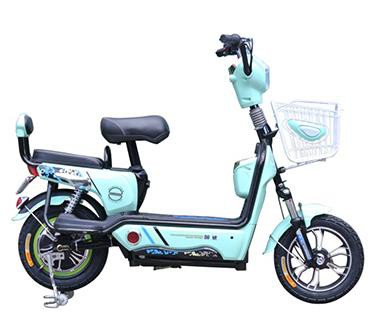
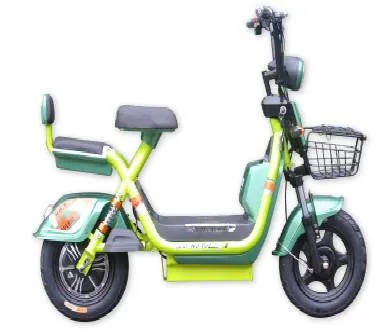
Whether you're looking for a Street Legal Electric Mopeds for Adults, a Luxury Electric Motorcycle Bike for Adults, or a Cute Electric Mini Electric bike, we have the perfect motorcycle for you. Our motorcycles are designed to provide a smooth and enjoyable riding experience, thanks in part to their advanced ignition systems.
Contact Us for Purchase and Consultation
If you're interested in purchasing a motorcycle or have any questions about our products, we encourage you to contact us. Our team of experts is always ready to assist you in finding the right motorcycle for your needs and budget. We can also provide you with detailed information about the ignition system and other components of our motorcycles to help you make an informed decision.
References
- Heywood, J. B. (1988). Internal Combustion Engine Fundamentals. McGraw-Hill.
- Taylor, C. F. (1985). The Internal Combustion Engine in Theory and Practice. MIT Press.
- SAE International. (2019). SAE Handbook: Automotive and Engine Engineering. SAE International.