

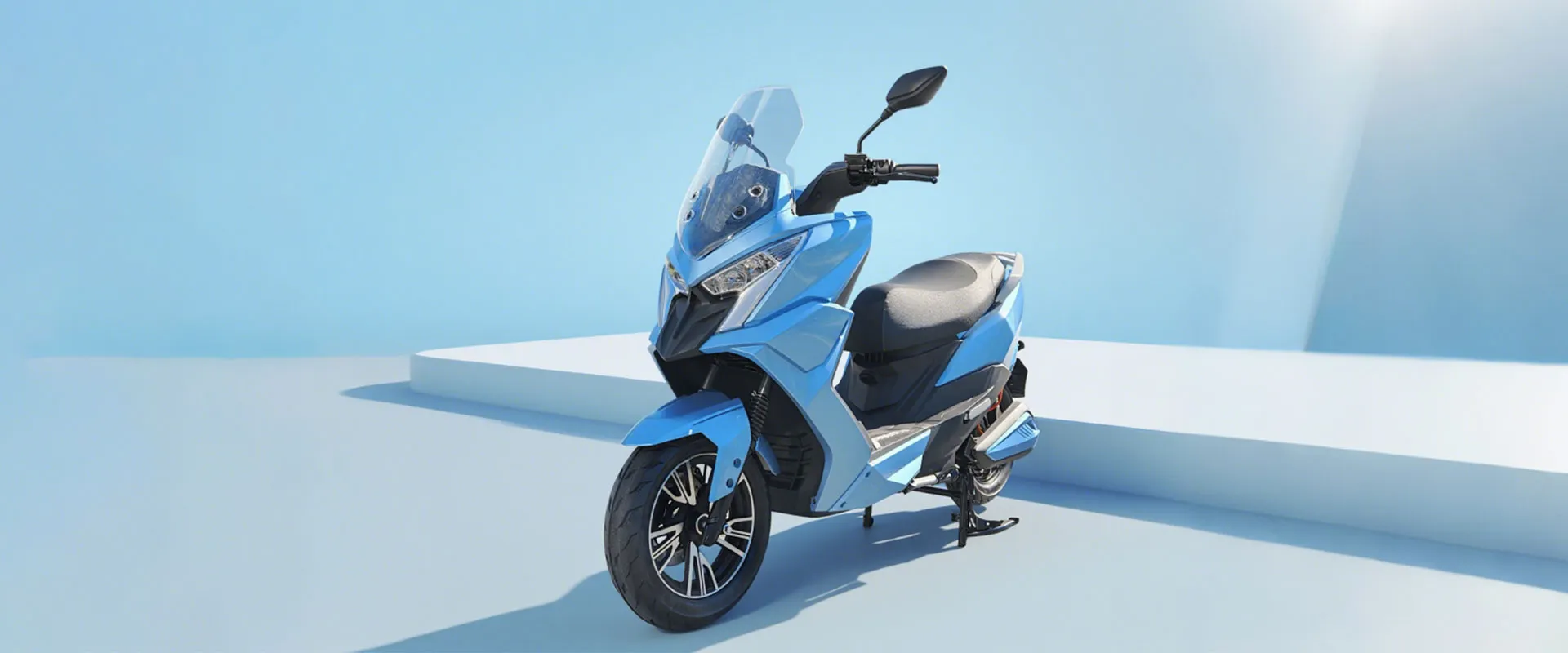
Motorcycles
Motorcycles, driven by gasoline engines, are two-wheeled or tricycles that are operated by the handlebars. They are light and flexible, and they travel quickly. They are widely used for patrol, passenger and cargo transportation, etc., and are also used as sports equipment. In the big direction, motorcycles are divided into street cars, road racing motorcycles, off-road motorcycles, cruise cars, and wagons.
Jiangsu Guowei Motorcycle Co., Ltd. was established in 2002. It is a large modern enterprise group integrating the research and development, production, sales and service of gasoline motorcycles and tricycles, electric motorcycles and tricycles. It has a construction area of more than 100,000 square meters and currently has more than 2,000 employees, including more than 300 professional and technical personnel.
Strong production capacity
It has formed an annual production capacity of 300,000 motorcycles and 800,000 electric vehicles. More than 200 styles of motorcycles and electric vehicles are sold all over the country and more than 80 countries and regions overseas.
Rich production experience
We specialize in motorcycles/scooters/tricycles and electric motorcycles/scooters with 20 years of experience.
Complete production equipment
It has advanced equipment such as precision centerless grinders, straightening machines, fine polishing machines, precision lathes, milling and drilling machines, rolling machines, etc., and technicians regularly maintain these machines to ensure the normal operation of the machines.
High-quality raw materials
We mainly select raw materials from large steel mills, such as TPCO, BAO STEEL, SHA STEEL, which are the best and largest raw material manufacturers in China.
-
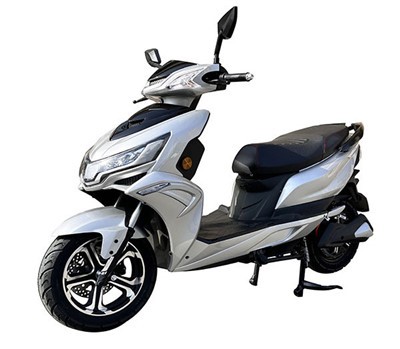 Adult Electric Motorcycles
$ 500.00
This Adult Electric Motorcycles is a striking fashion item.The body lines are smooth, the design isAdd to Inquiry -
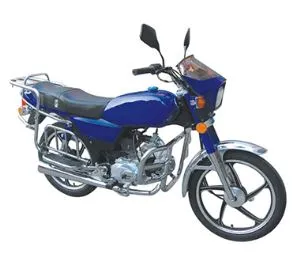 New Light Fastest Electric Motorcycle
$ 2000.00
This light fastest electric motorcycle is more powerful for both climbing and cargo carrying; theAdd to Inquiry -
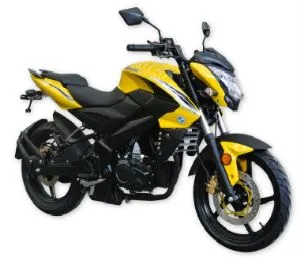 Racing Type Motorcycle for Adult
$ 2000.00
With elegant and smooth exterior, the racing type motorcycle for adult has advanced technology,Add to Inquiry -
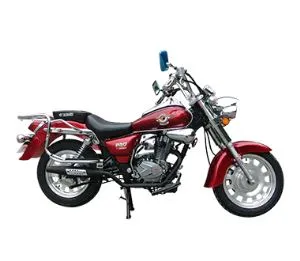 Hybrid Electric and Gasoline Motorcycles
$ 2000.00
The selection of fuel sightseeing vehicle will make you free of distress by sufficient power andAdd to Inquiry -
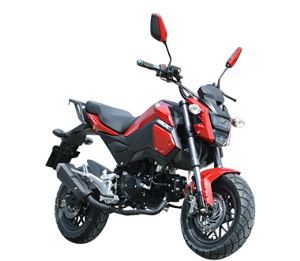 Hybrid Power Electric Enduro Motorbike
$ 2000.00
The countersunk fuel tank lock of Guowei hybrid electric motorcycle is fashionable in appearanceAdd to Inquiry -
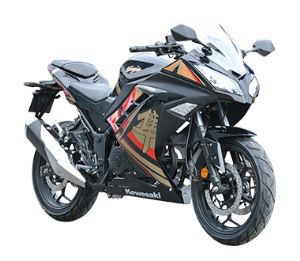 New Small Enduro Dual Sport Motorcycles
$ 2000.00
Powered by gasoline engine, this new small enduro dual sport motorcycle is a two wheeled vehicleAdd to Inquiry -
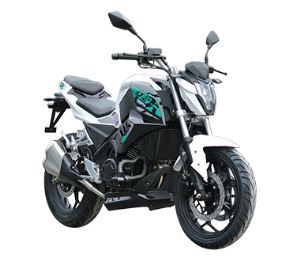 New Sport Street Legal Off Road Motorcycles
$ 2000.00
The turning performance of the best street sport motorcycles is excellent and the road performanceAdd to Inquiry -
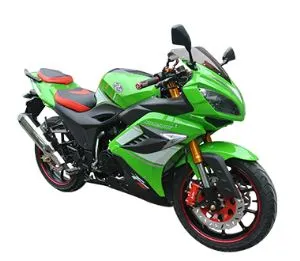 Top Sport Enduro Motorcycles
$ 500.00
The top sport enduro motorcycles are compact, and the light headlights are full of aestheticAdd to Inquiry -
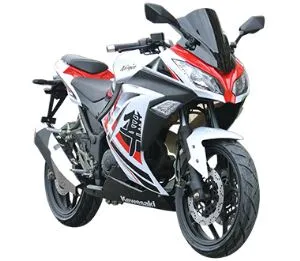 Best Electric Hybrid Motorcycle
$ 500.00
Hybrid motorcycle introduction The pattern on gas electric hybrid motorcycle is very cool, addingAdd to Inquiry -
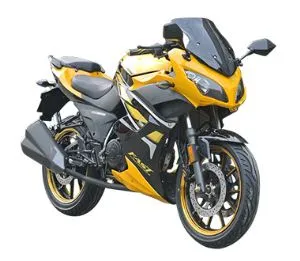 Cool Sport Motorcycles Best Cheap Dual Sport Motorcycle
$ 2000.00
Cool sport motorcycles introduction GW200-S looks conspicuous at the first glance. The aggressiveAdd to Inquiry -
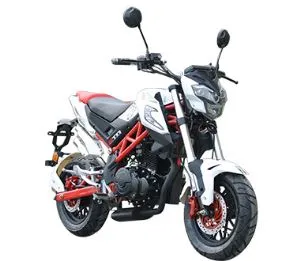 Cheap Touring Sports Motorcycles
$ 500.00
Cool motorcycles introduction The tail light of the cool motorcycles is raised, which is almost theAdd to Inquiry -
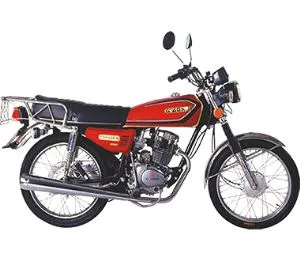 Best Electric Off Road Motorbike For Adults
$ 2000.00
Electric off road motorbike introduction Drum brake and wheel are used for the front disc brake ofAdd to Inquiry
-
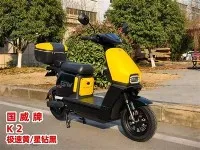 New Design Electric Mobility Scooter Electric Motorcycle ...
 -
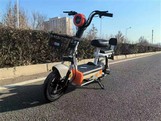 Factory Direct Sale Promotional Gas Powered Gas Scooters ...
 -
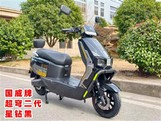 New Design 72V 1000W Rear Double Shock Absorber Disc Brea...
 -
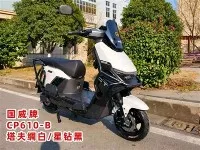 High Speed Electric Scooter Disc Brake 1000w 1500w 2000w ...
 -
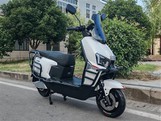 Cheap Scooter 50km Long Range 800W Adult Electric ,Motorc...
 -
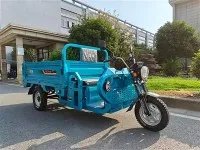 Super Dragon Electric Tricycle Data Sheet
 -
 Cheap Scooter 50km Long Range 800W Adult Electric ,Motorc...
 -
 2 Wheel Moped Electric Motorcycle Adult Electric Motorcyc...
- Tel: +86-510-88719012
- Email: info@goweimotor.com
- Add: No.6 Lingwei West Rd,Dacheng Industry Park, Anzhen, Xishan District, Wuxi, Jiangsu Province, China
Features of Motorcycles
Flexibility
Motorcycles are relatively small, making them easy to navigate in congested urban traffic and can easily cope with a variety of road conditions.
Economical and practical
Motorcycles usually have low fuel consumption and are suitable for urban commuting and short trips.
Strong adaptability
Off-road and adventure models can adapt to unpaved roads and complex terrain. Cruise models are designed to meet the needs of long-term riding, equipped with comfortable seats and large-capacity fuel tanks.
Advanced braking system
Equipped with disc brakes, ABS (anti-lock braking system), etc. to improve riding safety.
Stability
Some models have added traction control and electronic stability assist systems to enhance driving stability.
Simple maintenance
Generally speaking, motorcycles are relatively simple in structure and have relatively low maintenance and repair costs.
Portability
Motorcycles are generally light and can be parked in small parking spaces, making them easy to carry.
1.Transportation
Commuting: Motorcycles are commonly used for daily commuting due to their fuel efficiency and ability to navigate through traffic easily.
Long-Distance Travel: Touring motorcycles are designed for long-distance journeys, offering comfort and storage for riders and passengers.
2.Leisure and Recreation
Riding Clubs and Events: Many enthusiasts join clubs and participate in organized rides, rallies, and events.
Off-Roading: Dirt bikes and adventure motorcycles are popular for trail riding and off-road exploration.
3.Emergency Services
Police Motorcycles: Many police departments utilize motorcycles for patrol and traffic enforcement due to their agility.
Ambulance Services: In some urban areas, motorcycle ambulances provide rapid emergency medical services, particularly in congested traffic.
4.Delivery Services
Food Delivery: Motorcycle couriers are often employed by food delivery services for quick and efficient transportation of meals.1.
Package Delivery: Companies also use motorcycles for parcel and small package delivery, leveraging their speed and maneuverability.
05
Utility and Service Work
Maintenance and Repairs: Motorcycles are used by service personnel for maintenance tasks, including plumbing or electrical work in congested areas.
Mobile Workshops: Some tradespeople use motorcycles equipped with tools to provide on-site services.
06
Sport and Competitions
Motorsports: Motorcycles are central to various sports, including MotoGP, motocross, and flat-track racing.
Endurance Events: Motorcycle endurance events attract enthusiasts and professional riders alike.
07
Education and Training
Many organizations provide motorcycle safety and riding skills courses to promote safe riding practices.
08
Cultural Significance
Motorcycles often symbolize freedom and rebellion in popular culture, frequently appearing in movies, music, and literature.
Types of Motorcycles
Cruiser
Characterized by low seats and relaxed riding positions.Often have larger engines and classic designs.
Sportbike
Designed for high performance, agility, and speed. They feature aggressive seating positions, aerodynamic bodywork, and powerful engines.
Touring Motorcycles
Designed for long-distance rides with comfort features such as large seats, windshields, and storage.Often equipped with advanced electronics and infotainment systems.
Adventure (ADV) / Dual-Sport Bikes
Versatile motorcycles suitable for both on-road and off-road riding.Usually have longer suspension travel and rugged tires.
Standard (Naked)
Versatile and user-friendly bikes, suitable for a variety of riding styles. They have an upright seating position and minimal bodywork.
Cafe Racer
A style of motorcycle that is inspired by the custom bikes of the 1960s, often featuring a minimalist look and a slightly crouched riding position. They are typically modified versions of standard or sport bikes.
Scooters
Smaller, typically featuring automatic transmissions and step-through frames.Ideal for city commuting and short distances.
Moped
Similar to scooters but typically with a smaller engine (50cc or less) and often pedal assistance. Mopeds are popular for short-distance travel and urban environments.
Motocross Bike
Specialized for off-road racing, these bikes are lightweight, have powerful engines, and aggressive tires. They are not street-legal and are used mainly on tracks.
Material of Motorcycles
Steel
Frames, brackets and some components. Strong and durable. Has good impact resistance but is heavier than other metals.
Aluminum
Frames, wheels, engine components and swing arms etc. Lightweight, corrosion resistant, good strength to weight ratio
Carbon Fiber
Fairings, subframes and some internal engine components. Lightweight and high strength. It is often used in high-performance and racing motorcycles to reduce weight and improve aerodynamics.
Magnesium
Wheels and engine parts for some high-end models. Lightweight, good strength-to-weight ratio.
Titanium
Exhaust systems, fasteners and some performance parts. Very strong and light. Titanium is often used in high-performance applications where weight saving is critical.
Composite Materials
Various components, particularly in racing motorcycles.Combining different materials to achieve specific characteristics such as lightweight and high strength.
Plastics (Polypropylene, ABS, etc.)
Fairings, bodywork, and some interior components.Lightweight, and moldable into complex shapes. Good for aesthetic finishes and aerodynamic parts.
Rubber
Tires, bushings, grips, and seals.Provides flexibility and traction. Tires are critical for performance and safety.
Glass Fiber
Some fairings and bodywork.More affordable than carbon fiber but heavier. It is also a good insulator and can be molded into complex shapes.
Custom Motorcycles solution
Define Your Vision
Style: Decide on the style you want (chopper, cafe racer, bobber, touring, etc.).
Purpose: Determine if this will be for daily riding, shows, or to serve a specific function.
Inspiration: Look for design inspiration from existing motorcycles, art, or your personal interests.
Design the Motorcycle
Sketch the Concept: Draw or use design software to create the layout and design of the motorcycle.
3D Modeling: Utilize CAD software for more detailed and accurate designs.
Ergonomics: Consider rider comfort and ergonomics in the design.
Select Components
Suspension: Choose appropriate front forks and rear shock absorbers.
Wheels and Tires: Decide on wheel size, type, and design.
Brakes: Opt for reliable brake systems (disc vs. drum) based on performance needs.
Fuel System: Select a suitable fuel tank that complements the design.
Custom Features
Paint and Finishing: Decide on colors, graphics, and paint finish.
Exhaust System: Pick a custom exhaust that matches the aesthetics and sound you want.
Lighting: Modify or add unique lighting solutions (LED, halo, etc.).
Seat: Design a custom seat that merges comfort and style.
Accessories: Add unique features like saddlebags, custom gauges, mirrors, etc.
Determine Your Needs
Decide what type of riding you will do (commuting, touring, off-road, sport).
Determine how much you are willing to spend on the motorcycle itself and additional costs (insurance, gear, maintenance).
Research different brands and models based on your needs, preferences, and budget.
Read reviews, watch videos, and check motorcycle magazines for insights.
Test Ride
Call or visit the dealership to schedule a test ride for the motorcycles you're interested in.
Pay attention to how the motorcycle feels in terms of comfort, handling, and ergonomics during the ride.
Placing the Order
Confirm the specific model, color, and any additional features or accessories you want.
Discuss pricing with the dealer; you can often negotiate to get a better deal.
Fill out the required forms, including a purchase agreement, financing documents (if applicable), and any other legal paperwork.
Packaging and Shipping
Motorcycles are usually packed in sturdy wooden boxes or metal frames to avoid damage during transportation.
Confirm the mode of transportation (such as sea, air or land transportation) and understand the freight and time.
If exporting, the supplier needs to provide the documents required for customs clearance (invoice, packing list, certificate of origin, etc.).
Receipt and acceptance
After the goods arrive, the buyer confirms the handover with the logistics company or agent.
Check whether the number and model of motorcycles are consistent with the order. Confirm that the vehicle has no damage or defects.
After confirmation, sign the receipt document.
Enjoy and Maintain
Insurance: Make sure you have insurance coverage before riding.
Follow Maintenance Schedule: Adhere to the manufacturer’s maintenance schedule to keep your motorcycle in optimal condition.
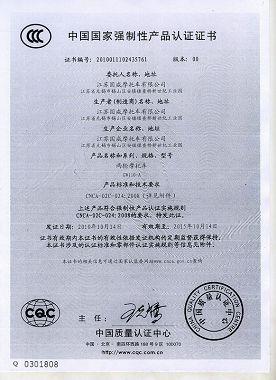
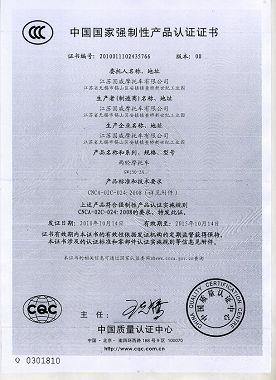
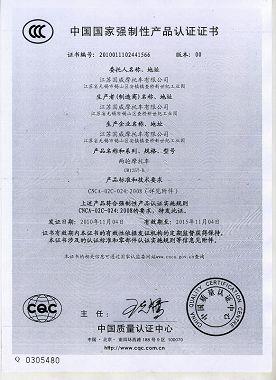
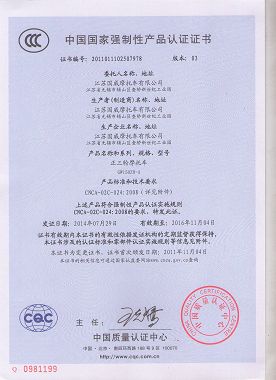
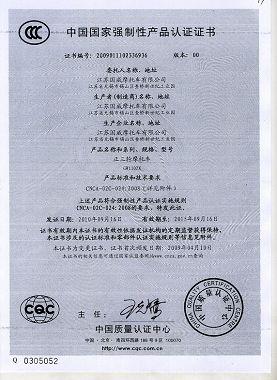
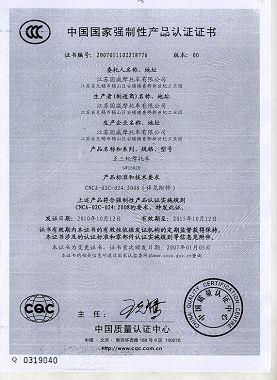
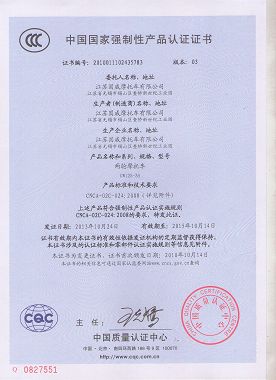
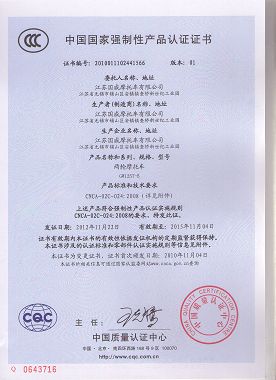
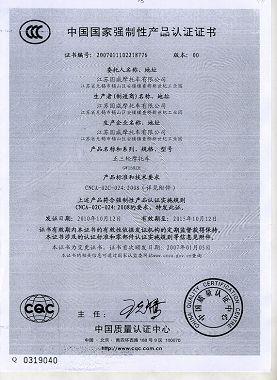
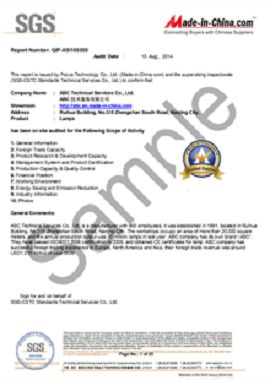
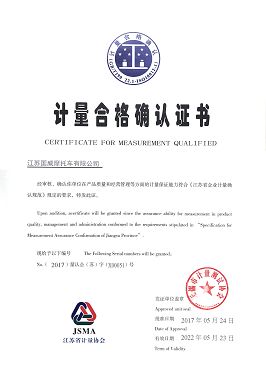
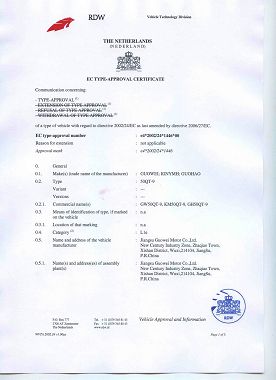
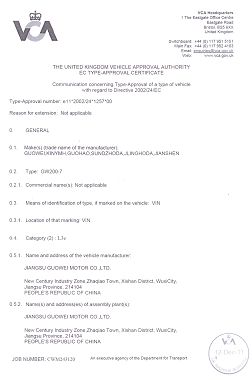
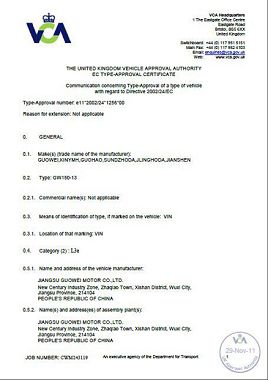
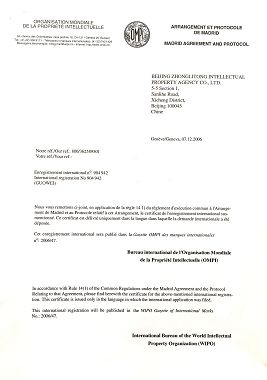
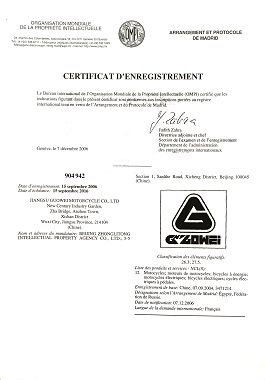
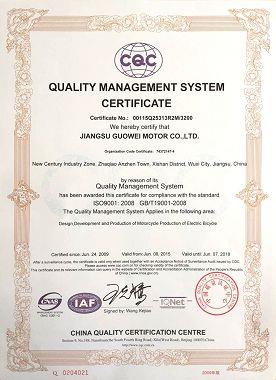
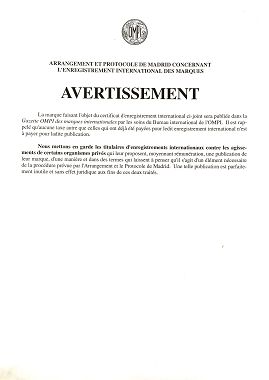
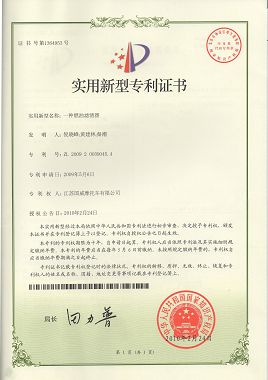
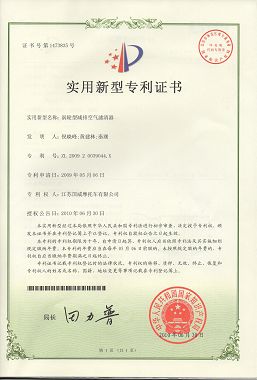
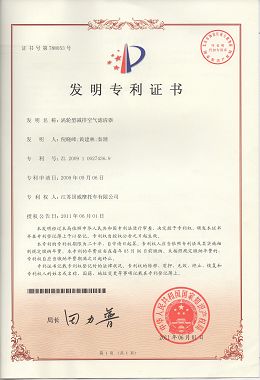
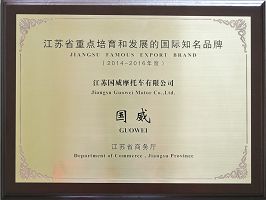
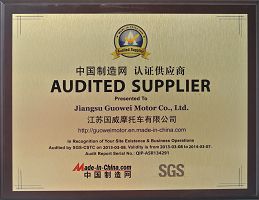
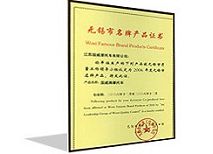
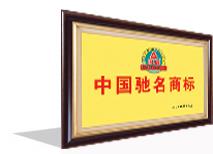
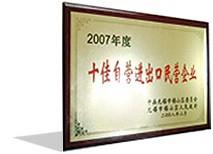
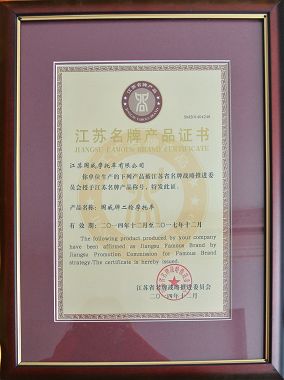
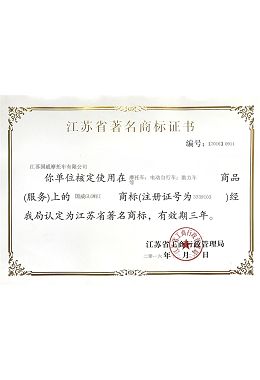
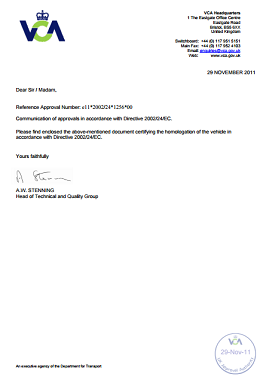
Certificate

Frequently Asked Questions
We're professional motorcycles manufacturers and suppliers in China, specialized in providing high quality custom service. We warmly welcome you to wholesale cheap motorcycles from our factory. For price consultation, contact us.
