

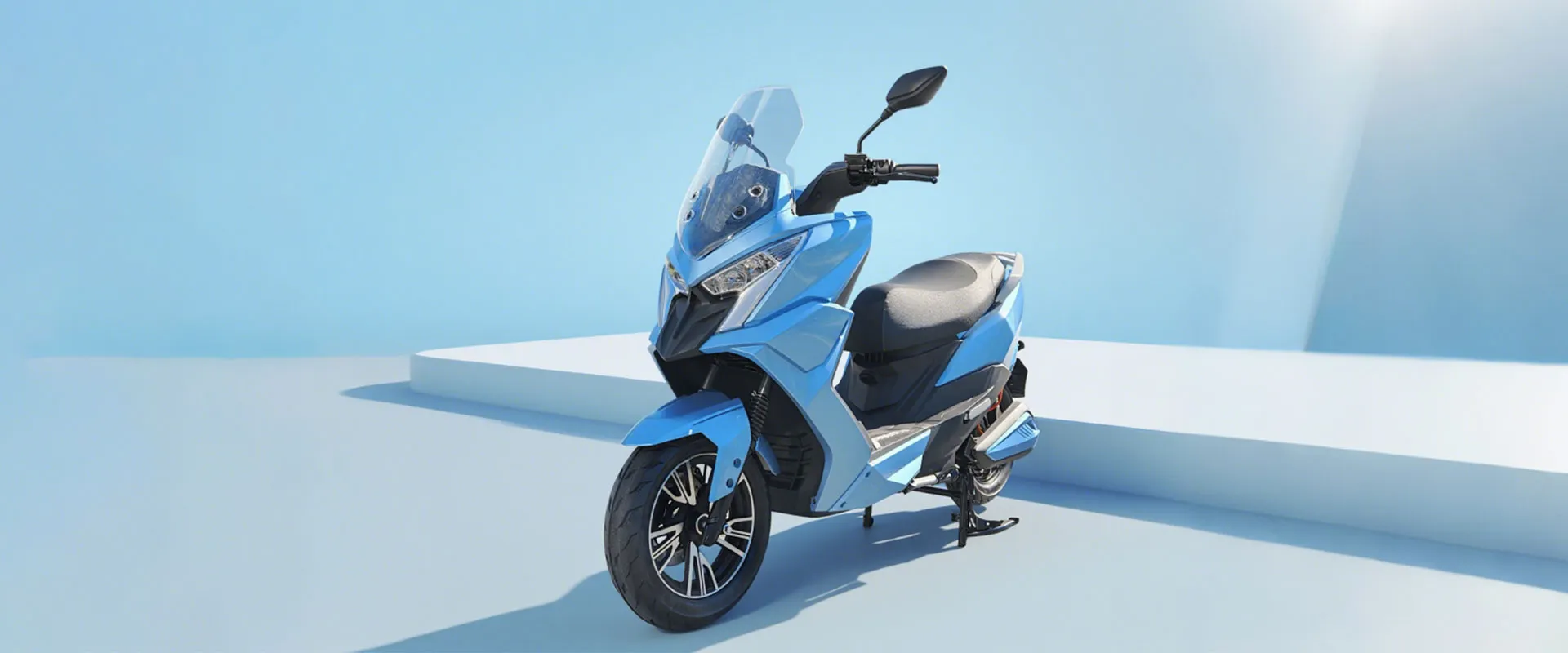
Electric Bike
Electric Bike refers to the use of batteries as an auxiliary energy on the basis of ordinary bicycles, the installation of motors, controllers, batteries, steering handles and other control components and display instrumentation system of mechatronics personal transport.
Jiangsu Guowei Motorcycle Co., Ltd. was established in 2002. It is a large modern enterprise group integrating the research and development, production, sales and service of gasoline motorcycles and tricycles, electric motorcycles and tricycles. It has a construction area of more than 100,000 square meters and currently has more than 2,000 employees, including more than 300 professional and technical personnel.
Strong production capacity
It has formed an annual production capacity of 300,000 motorcycles and 800,000 electric vehicles. More than 200 styles of motorcycles and electric vehicles are sold all over the country and more than 80 countries and regions overseas.
Rich production experience
We specialize in motorcycles/scooters/tricycles and electric motorcycles/scooters with 20 years of experience.
Complete production equipment
It has advanced equipment such as precision centerless grinders, straightening machines, fine polishing machines, precision lathes, milling and drilling machines, rolling machines, etc., and technicians regularly maintain these machines to ensure the normal operation of the machines.
High-quality raw materials
We mainly select raw materials from large steel mills, such as TPCO, BAO STEEL, SHA STEEL, which are the best and largest raw material manufacturers in China.
-
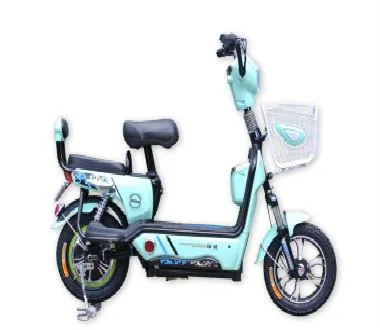
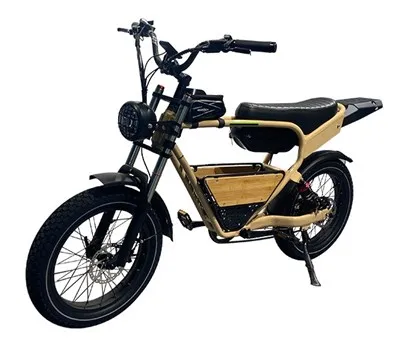 Electric City Bikes
$ 500.00
This is a great electric bike for city life, sport and model design can easily be liked by youngAdd to Inquiry -
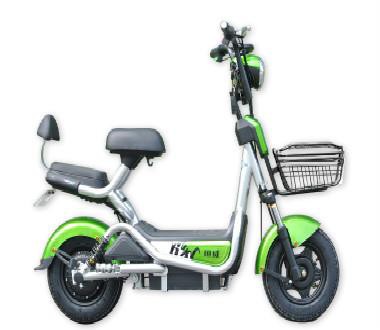
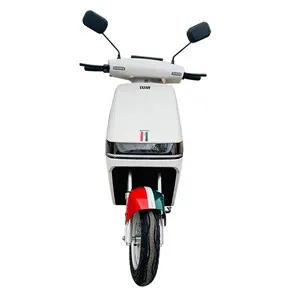 Electric Bike For Young People
$ 500.00
This is a wonderful electric bike for young people, modern and good looking , is very cool to rideAdd to Inquiry -
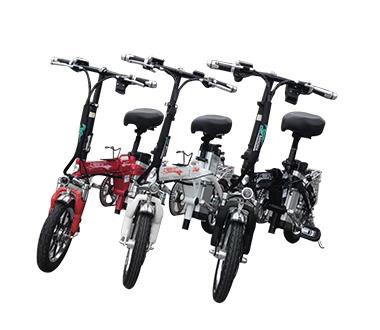
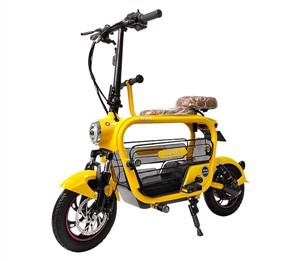 Lithium Foldable Bicycle
$ 500.00
If you choose Lithium Foldable Bicycle manufacturer & long-term oversea partner,choose JiangsuAdd to Inquiry -
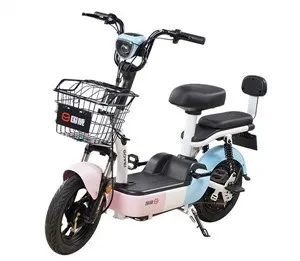 48V 20Ah EBike
$ 500.00
If you want a more personalities more secure Longest Range 48V 20Ah eBikes manufacturer & long-termAdd to Inquiry -
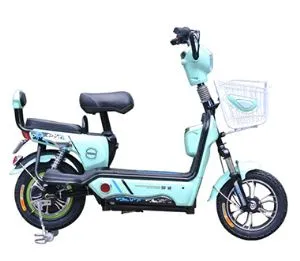 Gas Powered Mopeds
$ 500.00
Our gas powered moped is an excellent gas saver, making it an ultimate transportation to and fromAdd to Inquiry -
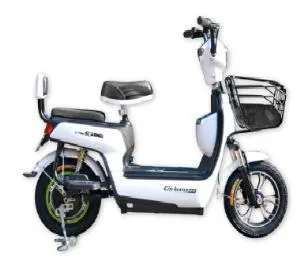 Small Motor Electric Bicycle
$ 500.00
This Small Motor Electric Bicycle is our new product. It has intelligent features, light weight,Add to Inquiry -
Aluminum Electric Bicycles
$ 500.00
This electric motorcycle is a hot-selling model that uses aluminum alloy to provide superiorAdd to Inquiry -
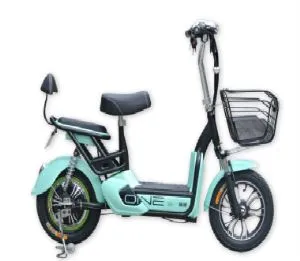 Ladies Motorized Mini Electric Mountain Bike
$ 300.00
Mini electric bike introduction Intelligent LED electronic display system will bring each rider aAdd to Inquiry -
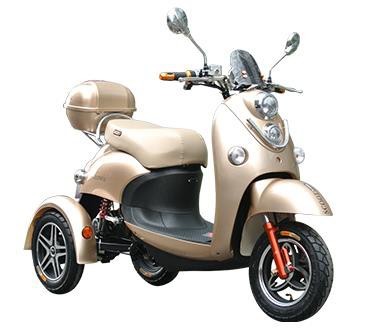
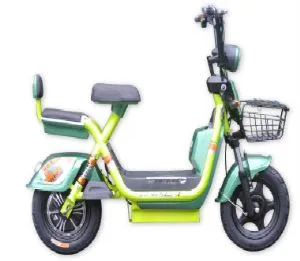 Luxury Electric Motorcycle Bike for Adults
$ 300.00
Luxury electric bike introduction The ideas of vogue can be found in the details of internationallyAdd to Inquiry -
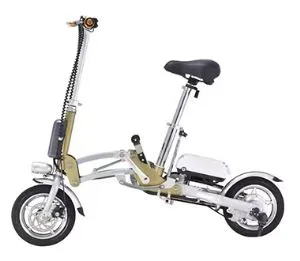 Folding Electric Bicycle Electric Motorcycle Bike
$ 300.00
Electric folding bike introduction The folding bicycle model prevailing this year, a perfectAdd to Inquiry -
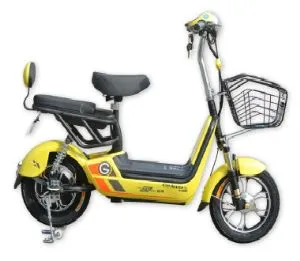 Electric Mountainbike Ultra-light Electric Car
$ 300.00
Electric mountain bike introduction In addition to color and exterior of vogue culture, it has alsoAdd to Inquiry -
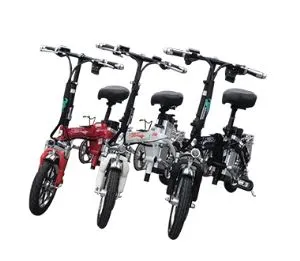 Lithium Electric Bike High - Grade Electric Bicycle
$ 500.00
Lithium electric bike introduction "Grafted" with cloud technology, electric bicycle hasAdd to Inquiry
-
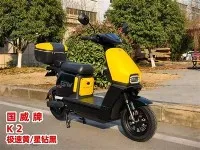 New Design Electric Mobility Scooter Electric Motorcycle ...
 -
 Factory Direct Sale Promotional Gas Powered Gas Scooters ...
 -
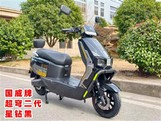 New Design 72V 1000W Rear Double Shock Absorber Disc Brea...
 -
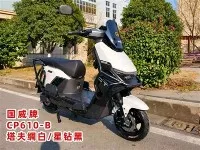 High Speed Electric Scooter Disc Brake 1000w 1500w 2000w ...
 -
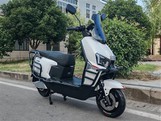 Cheap Scooter 50km Long Range 800W Adult Electric ,Motorc...
 -
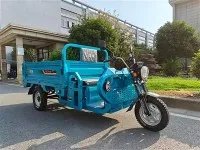 Super Dragon Electric Tricycle Data Sheet
 -
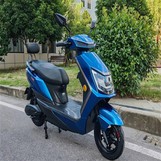 Cheap Scooter 50km Long Range 800W Adult Electric ,Motorc...
 -
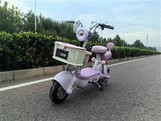 2 Wheel Moped Electric Motorcycle Adult Electric Motorcyc...
- Tel: +86-510-88719012
- Email: info@goweimotor.com
- Add: No.6 Lingwei West Rd,Dacheng Industry Park, Anzhen, Xishan District, Wuxi, Jiangsu Province, China
Features of Electric Bike
Electric power assist
Electric bicycles are equipped with electric motors, which can provide additional power for riding, making riding easier, especially when riding uphill or over long distances.
Easy to operate
No complex driving skills are required, suitable for all types of user groups. Some models are equipped with one-button start, automatic cruise control and other functions, which are easy to operate.
Economy
Compared with cars, the purchase cost and maintenance cost of electric bicycles are relatively low. The charging cost is usually much lower than the cost of gasoline.
Flexibility
Electric bicycles do not require a driver's license, and riders can ride on non-motorized vehicle lanes, which has high flexibility and convenience.
Endurance performance
Modern electric bicycles are often equipped with high-capacity batteries, and the endurance is gradually improved, which is suitable for longer riding distances.
Speed shifting system
Many electric bicycles are equipped with a speed shifting system, and riders can adjust the speed according to different road conditions and personal needs.
Safety
Some electric bicycles are equipped with safety configurations such as brake systems, lights, and reflectors to improve the safety of riding.
Diverse designs
Provide different styles such as fashion, simplicity, and sports to meet personal taste needs. Suitable for urban commuting, suburban travel or short-distance delivery. Supports personalized customization of color, seat, basket, etc.
Intelligent
Real-time display of information such as power, speed, mileage, etc. Supports Bluetooth or APP control, and provides functions such as navigation, remote start, and vehicle diagnosis. Optimizes battery use and extends battery life.
Applications of Electric Bike
Commuting
E-bikes provide an efficient and sustainable mode of transportation for daily commuters. They can help reduce travel time compared to traditional bicycles and can navigate through traffic more easily.
Leisure and Recreation
E-bikes are popular for recreational riding, allowing users to explore trails and parks with less physical strain. They cater to a wider range of fitness levels, making biking accessible for more people.
Delivery Services
Many businesses utilize e-bikes for local deliveries, especially in urban areas. Restaurants, courier services, and retailers benefit from the speed and maneuverability of e-bikes while reducing their carbon footprint.
Tourism
E-bikes are often used in tourist destinations, offering guided tours that allow visitors to explore areas more extensively and with less effort. Rental services for e-bikes have grown to accommodate tourists seeking unique experiences.
Fitness and Health
While e-bikes have an electric assist feature, they still provide a physical workout. Users can choose how much assistance they need, making them effective for those looking to improve their fitness levels.
Cargo Transport
Cargo e-bikes can carry heavy loads, making them suitable for transporting goods, children, or pets. This application is particularly useful for families or small businesses.
Commercial Use
Companies are increasingly incorporating e-bikes into their operations for transportation, reducing fuel costs and emissions. This includes logistics, maintenance, and fieldwork.
Education
E-bikes are being adopted for educational purposes, such as bike safety programs and environmental studies, promoting the benefits of cycling and sustainable transportation.
Accessible Transportation
E-bikes with adaptive designs can help individuals with mobility challenges, providing them with greater independence and mobility options.
Agriculture
Farmers can use e-bikes for moving around large fields, transporting tools, or checking crops, offering a more sustainable option compared to traditional vehicles.
Special Events
E-bikes are often used in events like charity rides, tours, and festivals, promoting community involvement and active participation in a low-impact way.
Types of Electric Bike
City or Commuter E-Bikes
Designed for urban commuting.Usually feature a comfortable riding position, built-in lights, and fenders.
Mountain E-Bikes (E-MTBs)
Built for off-road trails and rugged terrain.Feature a sturdy frame, wider tires, and suspension systems.Provide powerful motors for climbing steep hills and navigating rough paths.
Folding E-Bikes
Compact and portable, making them ideal for storage and transport.Great for commuters who may need to combine cycling with public transport.Typically have smaller wheels and a lightweight design.
Cargo E-Bikes
Equipped to carry heavy loads, making them suitable for deliveries or transporting children.Often feature a sturdy frame, low center of gravity, and various carrying options (like a front basket or rear rack).
Fat Tire E-Bikes
Feature oversized tires designed for stability and traction on soft surfaces like sand, snow, or gravel.Suitable for year-round riding in various conditions.
Road E-Bikes
Designed for paved surfaces and long-distance cycling.Feature a lightweight frame and aerodynamic design, often with drop handlebars.Provide a balance of speed and distance.
Tandem E-Bikes
Built for two riders, allowing for shared cycling experiences.Can be used in both city and recreational riding.
Electric Hybrid Bikes
Combine features of different bike types, such as road and mountain bikes.Versatile for various terrains and riding styles.
Urban E-Adventure Bikes
Designed for city commuting and light off-road use.Features an upright position and a mix of city and adventure bike characteristics.
Material of Electric Bike
Frame Materials
Aluminum: Resistant to corrosion.Commonly used for mid-range e-bikes.
Carbon Fiber: Very lightweight and strong.Often used in high-performance or premium e-bikes.
Steel: Durable and often more affordable.Can add weight, but provides a sturdy ride.Used in budget or commuter bikes.
Titanium: Lightweight and strong,with excellent durability and corrosion resistance.Typically found in high-end models.
Motor and Electrical Components
Magnetic Materials: Used in the motor for generating torque.
Copper Wires: Used for electrical connections and in the motor windings.
Silicon and Other Semiconductors: Used in controllers and batteries.
Battery Materials
Lithium-ion: Common battery type due to high energy density.Components include lithium, cobalt, nickel, and graphite.
Nickel-Metal Hydride (NiMH): An alternative to lithium batteries, less common in e-bikes today but still used in some models.
Tires
Rubber: Features puncture-resistant options as well as different tread patterns based on terrain.
Other Components
Brakes: Often made from aluminum, steel, or composite materials, depending on the type (disc, rim, etc.).
Batteries Cases: Typically made from plastic, aluminum, or composite materials to protect the battery cells.
Suspension Components: Often made of aluminum or carbon fiber, especially in high-end models, to reduce weight while providing strength.
Accessories and Finishing
Plastic: For fenders, housings, and other small components.
Leather or Synthetic Materials: Used for seats and grips to provide comfort and style.
Define Your Requirements
Purpose: Determine what you will use the bike for—commuting, leisure, off-road, or long-distance travel.
Terrain: What kind of terrain will you be riding on? (e.g., flat city streets, hilly areas, mountains)
Choose the Frame
Material: Aluminum (lightweight and rust-resistant), steel (durable and often more affordable), and carbon fiber (light and strong but expensive).
Geometry: Relaxed, performance-oriented.
Style: Mountain bikes, road bikes, hybrids, or cargo bikes.
Select the Motor
Type: Choose between hub motors (located in the wheel) or mid-drive motors (located at the crank).
Power: Common power ratings range from 250W to 1000W. Higher wattage usually means more power but can also affect battery life and weight.
Torque: Consider the motor’s torque rating, especially for hill climbing.
Choose the Battery
Capacity: Measured in watt-hours (Wh). A higher capacity means longer range (commonly ranges from 400Wh to 1000Wh).
Voltage: Standard voltage ranges from 36V to 48V, affecting power output and motor compatibility.
Placement: Decide whether to place the battery on the frame, in a rack, or integrated into the frame.
Select Components
Brakes: Choose between mechanical or hydraulic disc brakes for better performance, especially in wet conditions.
Drivetrain: Options include single-speed, geared, or automatic shifting systems.
Suspension: Decide on front suspension, full suspension, or rigid depending on terrain and comfort needs.
Wheels and Tires: Select wheels based on size (26”, 27.5”, or 29”) and type of tires suitable for your terrain.
Additional Features
Display and Controls: Look for user-friendly displays that show speed, distance, battery level, and assist levels.
Lighting: Opt for integrated front and rear lights for safety.
Accessories: Consider adding racks, fenders, locks, or a GPS system based on your needs.
Smart Features: Consider integrating features like Bluetooth connectivity to enable tracking, locking, and customizable settings through a mobile app.
Maintenance Tips for Electric Bike
Battery Care
Storage: Store the battery in a cool, dry place. Avoid extreme temperatures (both hot and cold).
Charging: Charge the battery after each ride, especially if it has drained significantly. Avoid letting it drop below 20% frequently.
Disconnect: If you're not using the e-bike for an extended period, consider removing the battery and storing it separately.
Regular Checks: Inspect the battery for any signs of damage or corrosion on the connections.
Tires and Wheels
Pressure Check: Regularly check tire pressure and inflate them to the manufacturer's recommended PSI.
Tread and Condition: Look for signs of wear or damage on the tires. Replace them if they are bald or have significant cracks.
Brakes
Inspection: Check brake pads for wear and replace them if they are too thin.
Brake Cables: Inspect cables for frays or wear. Lubricate when necessary.
Chain and Drivetrain
Cleaning: Clean the chain regularly to remove dirt and grime. Use a degreaser specifically meant for bike chains.
Lubrication: After cleaning, apply chain lubricant to ensure smooth shifting and reduce wear.
Frame and Components
Inspection: Routinely check the frame for any cracks or structural damage.
Bolts and Fasteners: Regularly check all bolts and fasteners to ensure they are tight and secure.
Cleaning: Clean the e-bike frame and components with mild soap and water. Avoid high-pressure water that could damage electrical components.
Electronics and Wiring
Connections: Inspect all electrical connections for corrosion or fraying.
Display and Controls: Ensure that the display and control systems are functioning correctly and are free from dirt or moisture.
Firmware Updates: Check if the manufacturer offers firmware updates for your e-bike and apply them as necessary.
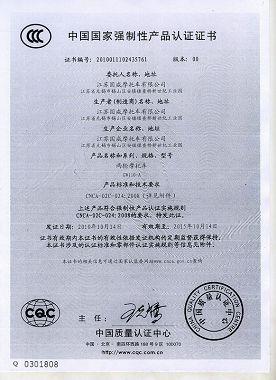
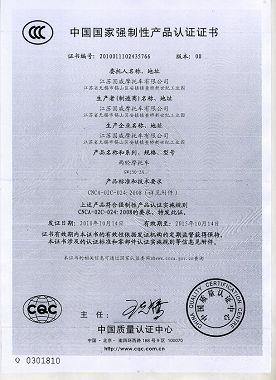
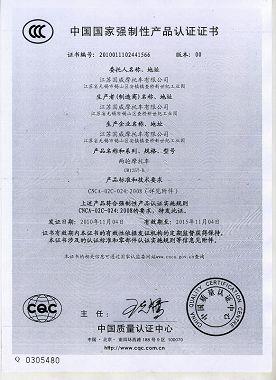
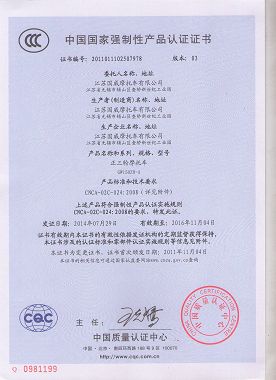
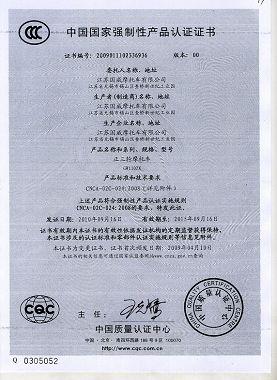
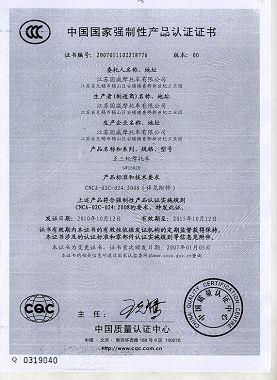
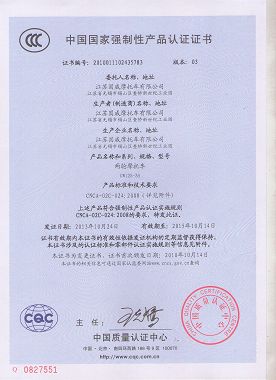
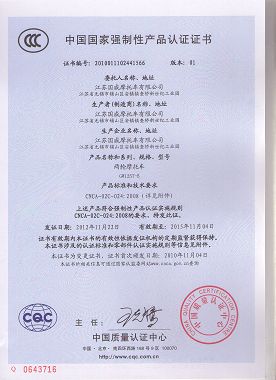
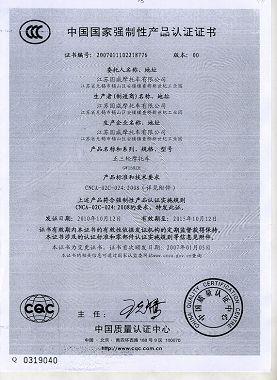
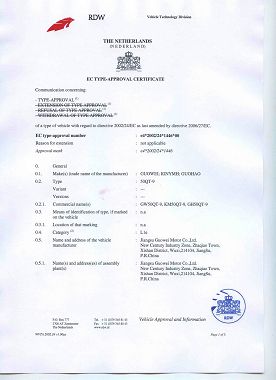
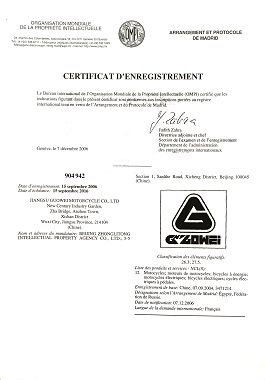
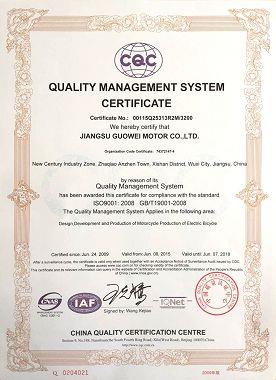
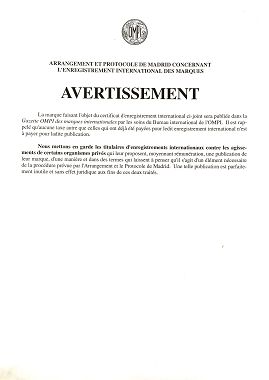
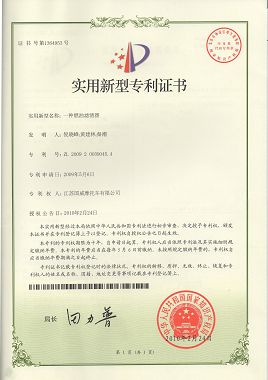
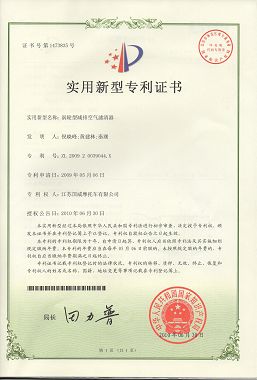
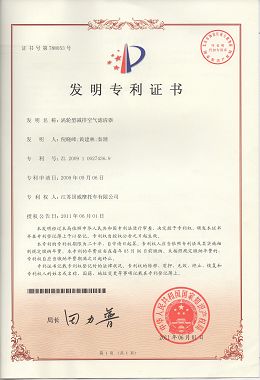
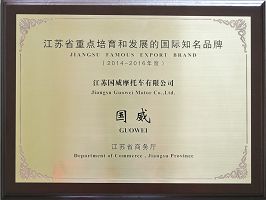
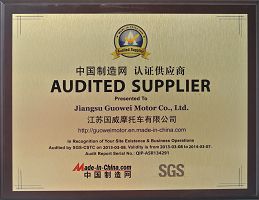
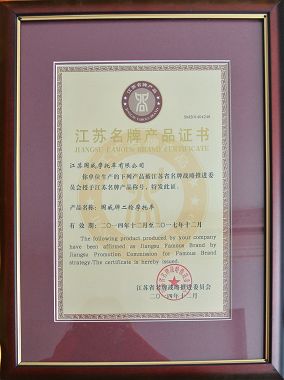
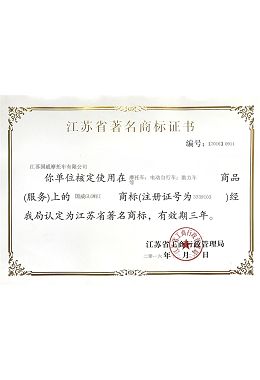
Certificate










Frequently Asked Questions
We're professional electric bike manufacturers and suppliers in China, specialized in providing high quality custom service. We warmly welcome you to wholesale cheap electric bike from our factory. For price consultation, contact us.
