

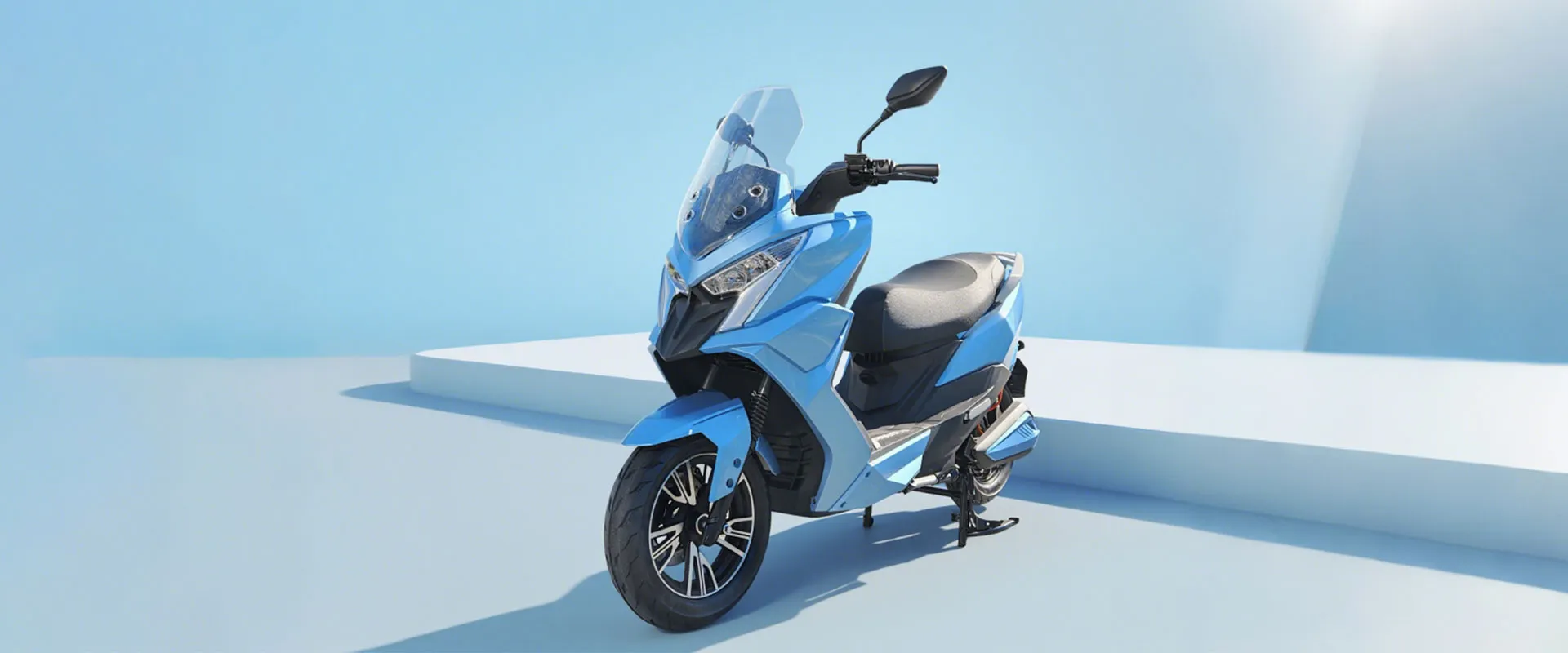
Electric Motorcycles
Electric Motorcycles are a type of electric vehicle that uses a battery to drive the motor. The electric drive and control system consists of a speed control device that drives the motor, the power supply, and the motor. The other devices of the electric motorcycle are basically the same as those of the internal combustion engine.
Jiangsu Guowei Motorcycle Co., Ltd. was established in 2002. It is a large modern enterprise group integrating the research and development, production, sales and service of gasoline motorcycles and tricycles, electric motorcycles and tricycles. It has a construction area of more than 100,000 square meters and currently has more than 2,000 employees, including more than 300 professional and technical personnel.
Strong production capacity
It has formed an annual production capacity of 300,000 motorcycles and 800,000 electric vehicles. More than 200 styles of motorcycles and electric vehicles are sold all over the country and more than 80 countries and regions overseas.
Rich production experience
We specialize in motorcycles/scooters/tricycles and electric motorcycles/scooters with 20 years of experience.
Complete production equipment
It has advanced equipment such as precision centerless grinders, straightening machines, fine polishing machines, precision lathes, milling and drilling machines, rolling machines, etc., and technicians regularly maintain these machines to ensure the normal operation of the machines.
High-quality raw materials
We mainly select raw materials from large steel mills, such as TPCO, BAO STEEL, SHA STEEL, which are the best and largest raw material manufacturers in China.
-
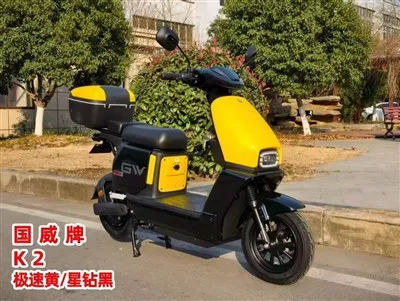 New Design Electric Mobility Scooter Electric Motorcycle ...
$ 500.00
K2 Electric ScooterA smart, city-ready ride with a responsive JINYUXING motor and 4G + BeiDouAdd to Inquiry -
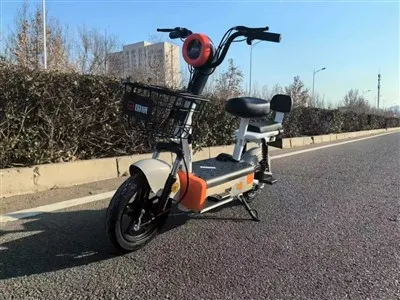 Factory Direct Sale Promotional Gas Powered Gas Scooters ...
$ 500.00
Xingyuan is a smart, compliant urban e-scooter designed for safe and comfortable dailyAdd to Inquiry -
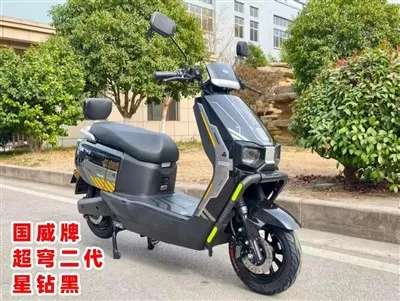 New Design 72V 1000W Rear Double Shock Absorber Disc Brea...
$ 500.00
CHAOQIONG II — Smart Power for Urban RidingThe CHAOQIONG II delivers smooth, reliable performanceAdd to Inquiry -
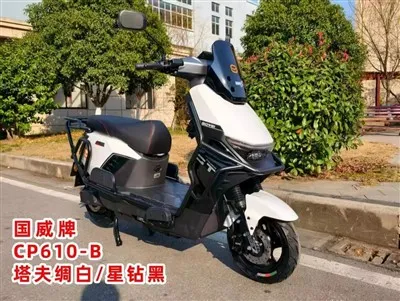 High Speed Electric Scooter Disc Brake 1000w 1500w 2000w ...
$ 500.00
The CP610 is built for modern urban riders who demand reliability and performance.Equipped with aAdd to Inquiry -
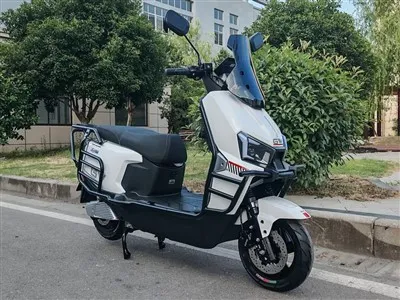 Cheap Scooter 50km Long Range 800W Adult Electric ,Motorc...
$ 500.00
Built for power and intelligence, the N36-D features a 96V powerful motor with Nitro Boost forAdd to Inquiry -
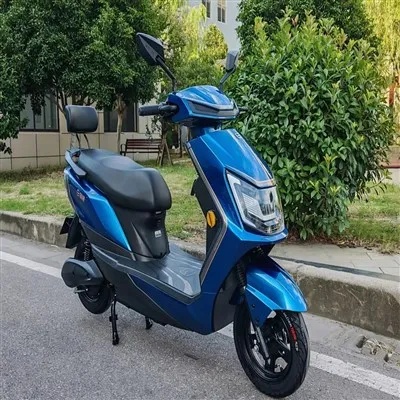 Cheap Scooter 50km Long Range 800W Adult Electric ,Motorc...
$ 500.00
Built for strength and stability, the XingYing electric bike delivers a powerful 800W motorAdd to Inquiry -
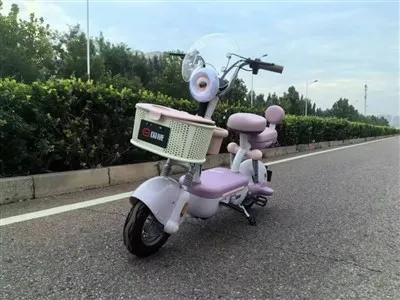 2 Wheel Moped Electric Motorcycle Adult Electric Motorcyc...
$ 200.00
Meet the Metaverse Ultra—where advanced technology meets urban style. Equipped with TCS anti-skid,Add to Inquiry -
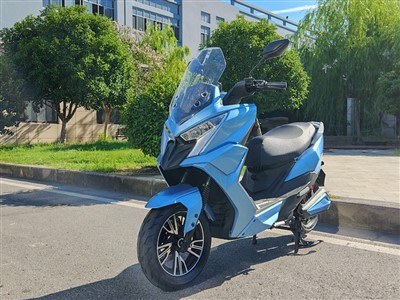 New Electric Motorcycle 2500W 72V Lead acid Battery Motor...
$ 550.00
Built for the urban adventurer, the Gowei KNIGHT combines rugged strength with smooth, efficientAdd to Inquiry -
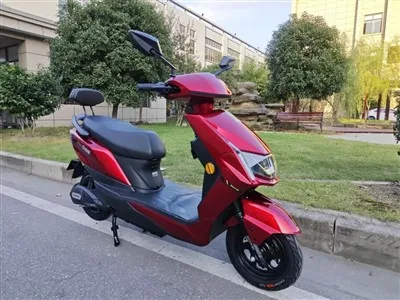 Lightweight Electric Scooter Motorcycle 60v 800w Moved 50...
$ 350.00
Built for the urban adventurer, the Gowei War Engine combines rugged strength with smooth,Add to Inquiry -
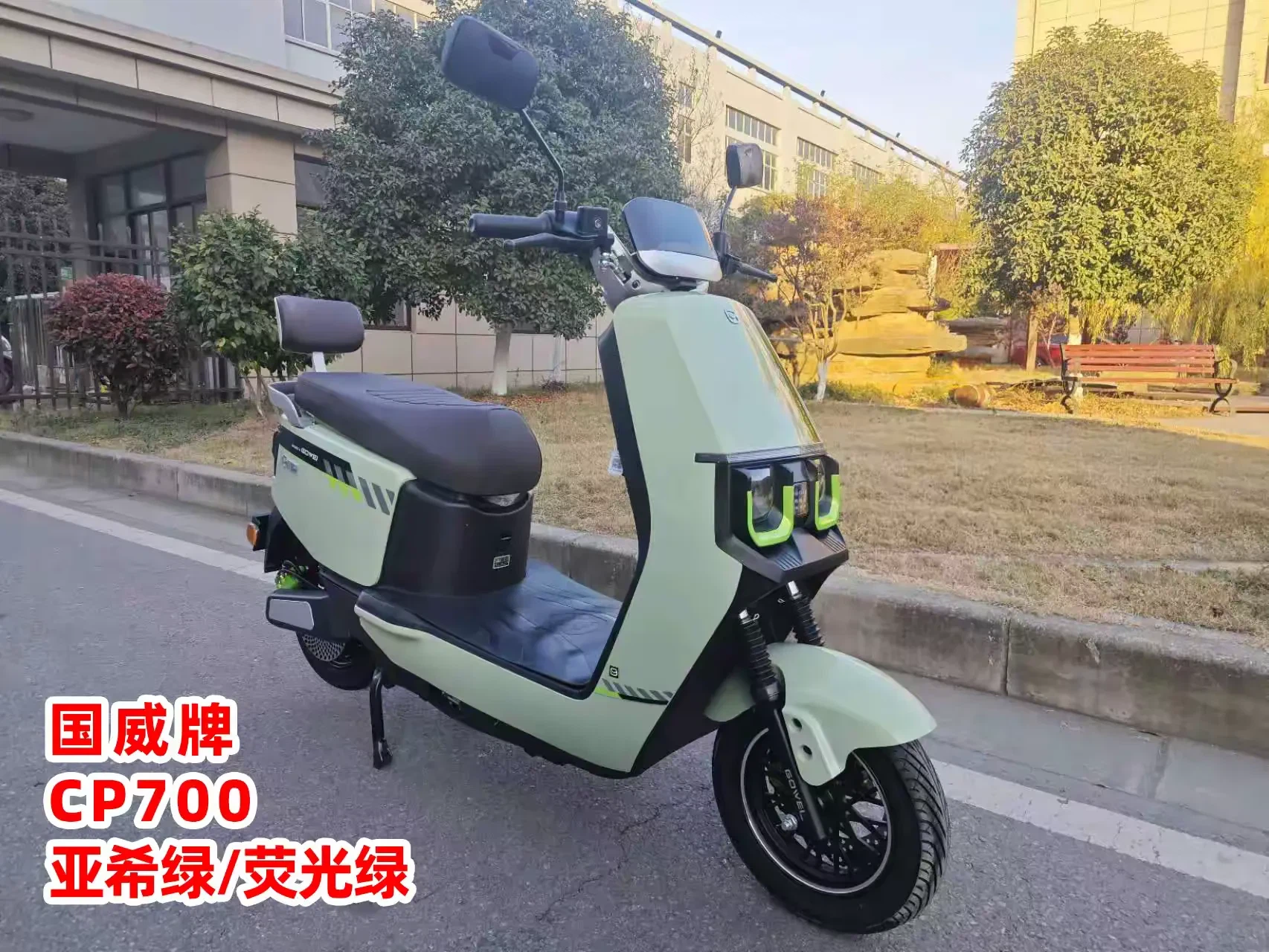 China Wholesale Hot Sale Off Road Motorcycle Electric Sco...
$ 550.00
Meet the Gowei CP700, the first member of our thrilling Super Run family. This e-bike combines aAdd to Inquiry -
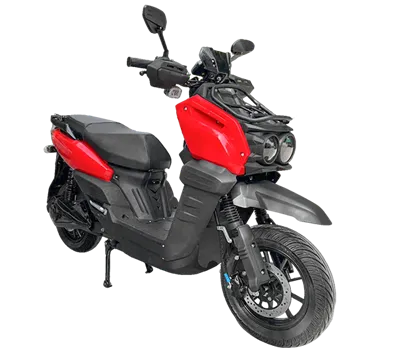 Sport Electric Motorcycle For Man
$ 500.00
This electric motorcycle is designed for Man, good appearance is good for city life. High qualityAdd to Inquiry -
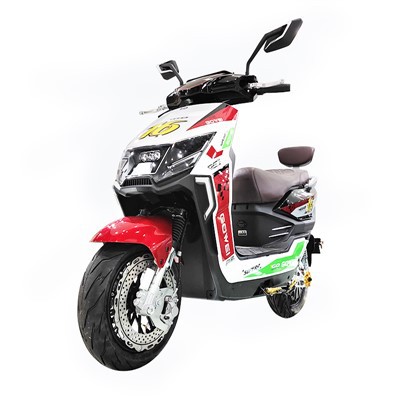 3000W Electric Enduro Motorcycle EEC Scooter With Large P...
$ 500.00
This electric motorcycle is designed for Man, good appearance is good for city life. High qualityAdd to Inquiry
-
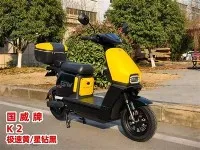 New Design Electric Mobility Scooter Electric Motorcycle ...
 -
 Factory Direct Sale Promotional Gas Powered Gas Scooters ...
 -
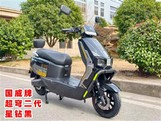 New Design 72V 1000W Rear Double Shock Absorber Disc Brea...
 -
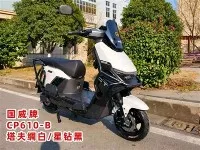 High Speed Electric Scooter Disc Brake 1000w 1500w 2000w ...
 -
 Cheap Scooter 50km Long Range 800W Adult Electric ,Motorc...
 -
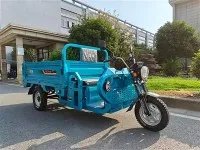 Super Dragon Electric Tricycle Data Sheet
 -
 Cheap Scooter 50km Long Range 800W Adult Electric ,Motorc...
 -
 2 Wheel Moped Electric Motorcycle Adult Electric Motorcyc...
- Tel: +86-510-88719012
- Email: info@goweimotor.com
- Add: No.6 Lingwei West Rd,Dacheng Industry Park, Anzhen, Xishan District, Wuxi, Jiangsu Province, China
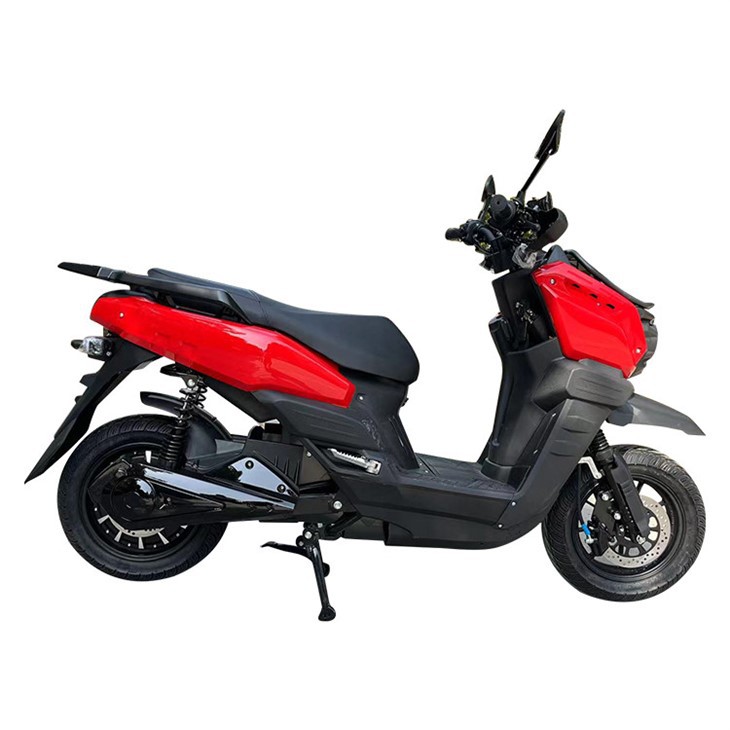
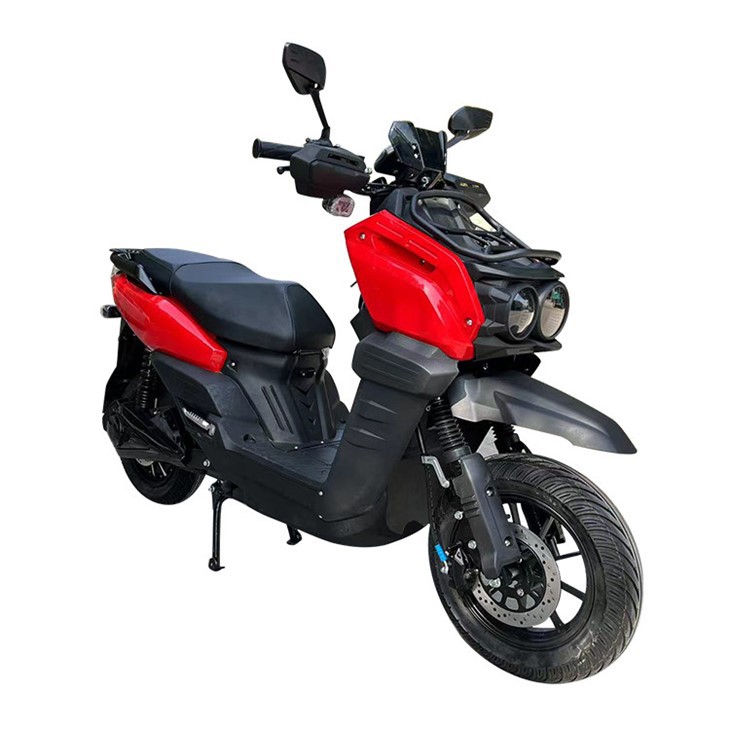
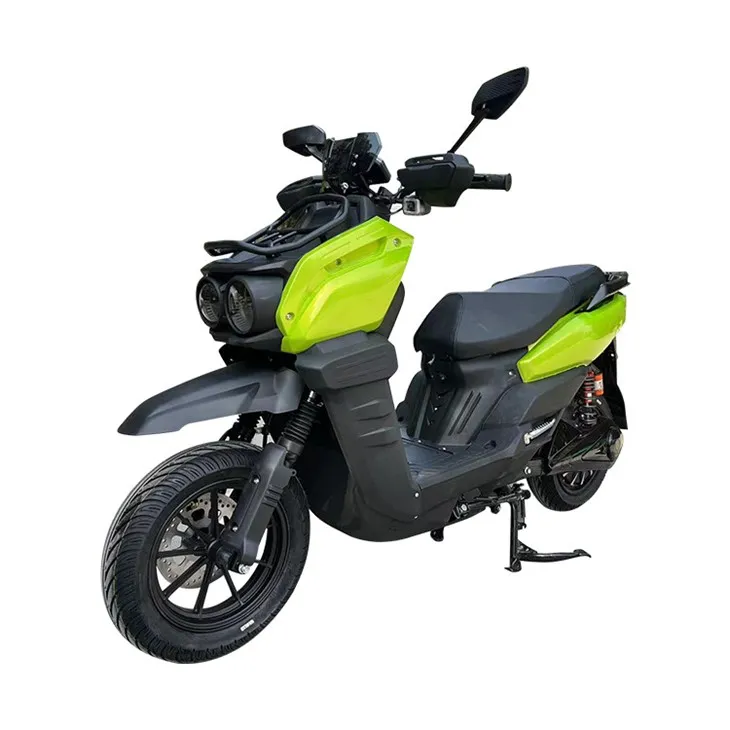
Features of Electric Motorcycles
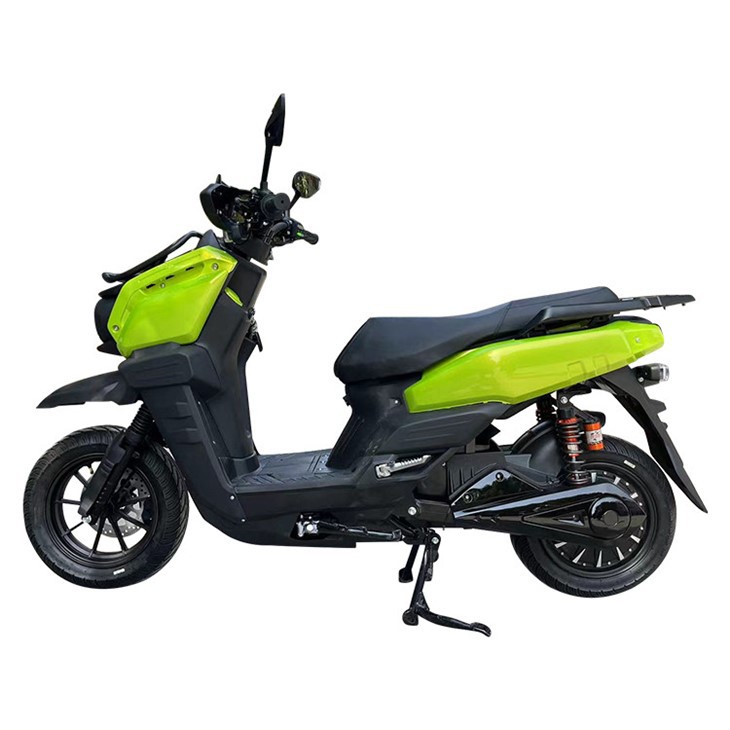
Mute
Electric motorcycles make almost no noise when running, significantly reducing noise pollution and improving driving comfort.
Efficient power
The electric motorcycle motor delivers instant torque for quick starts and smooth acceleration. Supports multiple power modes, such as economy mode and sport mode, to adapt to different needs. Moreover, the high-power motor is designed to adapt to complex road conditions and easily cope with slopes and steep terrain.
Convenient charging
Electric motorcycles can be charged at home or at public charging stations, and charging facilities are gradually increasing. Some models also support fast charging, with shorter charging times.
Intelligent design
Equipped with an LCD or LED instrument panel to display information such as speed, power, and cruising range. Vehicle status monitoring, positioning, anti-theft alarm and other functions can be realized through the APP. Some high-end models are equipped with energy recovery systems to improve endurance.
Comfort
There is no need to change gears during driving, making operation more convenient and riding smoother. The front and rear suspension systems improve riding comfort and reduce the impact of road vibrations. The seat and pedals are ergonomically designed to make long rides easier.
Safety performance
Equipped with front and rear disc brakes or drum brakes, some high-end models support ABS anti-lock braking systems. It is also equipped with high-brightness LED headlights, taillights and side lights to improve visibility at night. At the same time, a built-in speed limiter device ensures riding safety, especially for novices.
Flexible design
Many electric motorcycles have more modern designs and diverse styles that can meet the aesthetic needs of different consumers.
Economy
The mechanical structure of electric motorcycles is relatively simple, which reduces the parts that need to be maintained and replaced. For example, there is no need for frequent oil changes and engine repairs, which reduces long-term maintenance costs.
Urban Commuting
Electric motorcycles provide an efficient and eco-friendly mode of transportation in urban areas, helping reduce traffic congestion and pollution.
Delivery Services
Many food delivery and parcel services are adopting electric motorcycles to transport goods. Their agility and ease of parking make them ideal for city deliveries.
Tourism and Leisure
Electric motorcycles are becoming popular in the tourism sector, especially in scenic locations where riders can enjoy nature without the noise and pollution of traditional gas-powered bikes.
Police and Emergency Services
Some law enforcement and emergency service units are adopting electric motorcycles for patrol and response duties. They are quieter, can access crowded areas easily, and lower the carbon footprint of these services.
Recreational Use
Electric motorcycles are gaining traction among enthusiasts for recreational riding. Off-road electric motorcycles provide a quiet and environmentally friendly alternative for trail riding.
Tactical and Military Applications
Electric motorcycles may be used in specialized military operations where stealth and quiet operation are essential. Their reduced thermal and noise signatures can be advantageous in certain tactical scenarios.
Logistics and Warehousing
Electric motorcycles can be utilized in warehouses and large logistics facilities for efficient internal transport of goods and personnel, offering a quicker alternative to traditional methods.
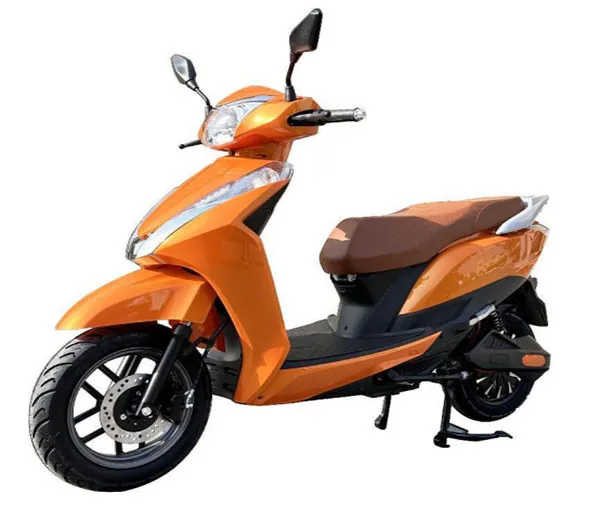
Agricultural Applications
In some rural areas, electric motorcycles are being considered for agricultural use, including tasks like surveillance of crops or traveling between fields efficiently.
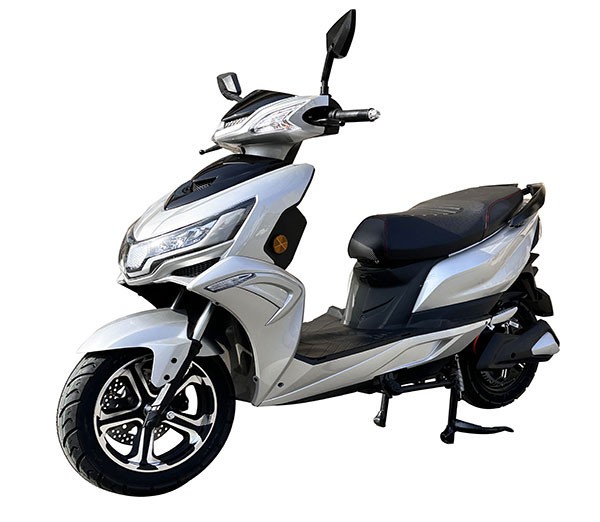
Education and Training
Electric motorcycles are being used in rider training programs, emphasizing environmentally friendly riding practices and the mechanics of electric vehicles.
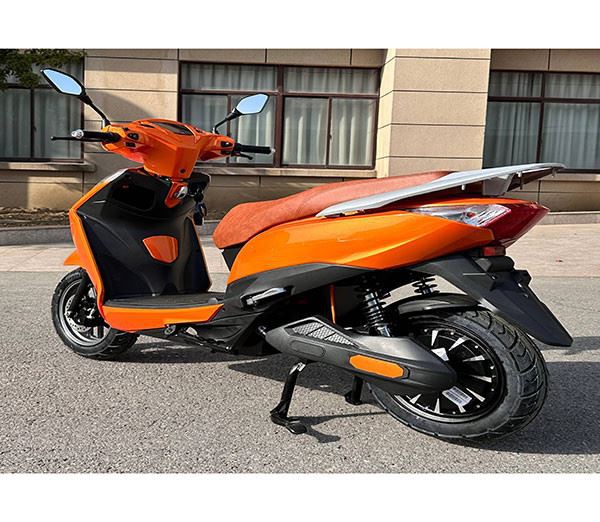
Racing and Competitions
Electric motorcycle racing has emerged as a competitive discipline, with events like the FIM MotoE World Cup attracting attention and interest from manufacturers and the motoring community.
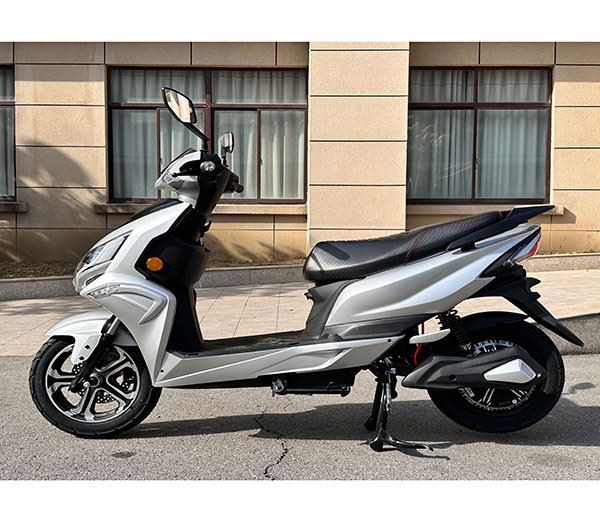
Ridesharing Services
Similar to traditional rideshare models, electric motorcycles can be part of ridesharing platforms, providing an efficient way to get around urban areas.
Types of Electric Motorcycles
Commuter Electric Motorcycles
Designed for daily commuting and urban travel.Typically feature a comfortable riding position, adequate range, and storage options.
Sport Electric Motorcycles
Engineered for performance and agility.Offer high acceleration, sporty handling, and aggressive styling.
Cruiser Electric Motorcycles
Modeled after traditional cruiser bikes with a relaxed riding posture.Focus on comfort for longer rides and often have a retro aesthetic.
Adventure Electric Motorcycles (ADV)
Built for long-distance travel and off-road capabilities.Often feature rugged construction, larger wheels, and long suspension travel.
Dirt and Off-road Electric Motorcycles
Designed specifically for off-road use, with features like knobby tires and enhanced suspension.Typically lightweight and rugged to handle rough terrain.
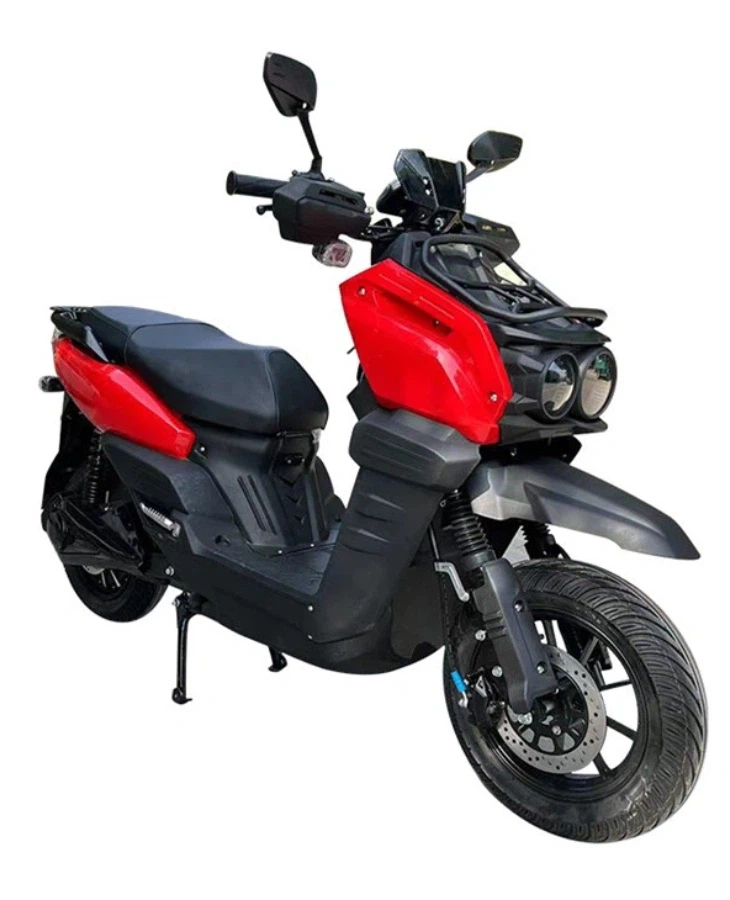
Scooter-style Electric Motorcycles
Smaller, lightweight bikes that combine the characteristics of electric scooters and motorcycles.Ideal for urban commuting and often have a step-through design.
Electric Hyperbikes
High-performance electric motorcycles that offer extreme speed and cutting-edge technology.Often feature advanced aerodynamics and high-capacity batteries.
Electric Mopeds
Smaller and lower-powered than traditional motorcycles, electric mopeds often have limited top speeds and range.Perfect for short trips and city cruising.
Material of Electric Motorcycles
Frame Material
Aluminum: Lightweight and corrosion-resistant, aluminum is commonly used for frames to reduce overall weight.
Steel: Offers strength and durability but is heavier than aluminum; often used in more budget-friendly models.
Carbon Fiber: High strength-to-weight ratio and stiffness; used in high-performance models for reduced weight.
Body Panels
Plastic Composites: Lightweight and can be molded into complex shapes; commonly used for fairings and bodywork.
Fiberglass: Used in some designs for its lightweight and reasonable strength.
Battery Pack
Casing Materials: Usually made from aluminum or high-strength plastic to protect the cells.
Electronics and Wiring
Copper Wiring: Commonly used for its conductivity.
Plastic Insulation: To protect against short circuits and environmental factors.
Advanced Circuit Boards: Often made from FR4 or other materials designed for durability and electrical performance.
Wheels and Tires
Aluminum or Magnesium Alloy Wheels: Lightweight with good strength; helps in reducing unsprung weight.
Rubber Tires: Specialized tires designed for electric motorcycles, offering grip and longevity.
Suspension Components
Composite Materials: Some high-end models may use carbon fiber or other composites for improved performance.
Brakes
Ceramic or Carbon-Carbon Rotors: Used in high-performance models.
Aluminum or Steel Calipers: For strength and heat dissipation.
Electric Motor
Typically made from metals like copper (for windings), steel (for the rotor and stator), and magnets (neodymium or ferrite).
Seat and Upholstery
Synthetic Leather or Fabric: Commonly used for comfort and durability.
Foams: Lightweight and breathable materials for cushioning.
Custom Electric Motorcycles solution
●Determine if you want the motorcycle for commuting, off-roading, or recreational riding.
●Decide how far you want to travel on a single charge.
●Establish the top speed you want the motorcycle to achieve.
●Choose the overall style—retro, modern, sport, etc.
●Chassis and Frame
Choose a lightweight frame material (aluminum, steel, or carbon fiber).Consider the geometry, handling, and comfort of the frame design.
●Electric Motor
Decide on the type and size: hub motor vs. mid-drive motor.Calculate the required power output based on speed and terrain.
●Battery Pack
Select a suitable battery type (Li-ion is most common).Determine the voltage and capacity (Ah) needed for your desired range and performance.
●Controller
Choose a compatible motor controller to manage power delivery.Ensure it has the required features (like regenerative braking and power mapping).
●Wheels and Tires
Select wheels that can handle the expected performance and terrain.Choose appropriate tires for grip and durability.
●Suspension
Install front and rear suspension according to your riding style (sports, touring, off-road).
●Braking System
Consider hydraulic disc brakes for improved stopping power.Install regenerative braking if supported by the motor and controller.
●Electronics and Display
Integrate a digital display for speed, battery level, and performance metrics.
●Bodywork: Create or source the motorcycle body and fairings.
●Color Scheme: Choose paint and finishes that match your style.
●Lighting: Install LED headlights, taillights, and turn signals.
●Accessories: Add features like mirrors, a seat, and storage if desired.
Maintenance Tips for Electric Motorcycles
Battery Care
Regular Charging: Keep the battery charged between 20% and 80% to prolong its lifespan. Avoid letting it drop to 0%.
Avoid Overcharging: Use the recommended charger and avoid charging overnight unless your bike has a built-in feature to prevent overcharging.
Temperature Management: Store and charge your battery in a temperature range of 32°F to 77°F (0°C to 25°C) to prevent damage.
Tires
Pressure Checks: Regularly check tire pressure and inflate to the manufacturer’s specifications. Proper tire pressure impacts handling and range.
Tread Inspection: Inspect tire tread for wear and replace tires as needed to ensure grip and safety.
Brakes
Regularly check brake pads and discs for wear and ensure they’re functioning correctly. Replace them as needed.
Electric Components
Connections: Periodically inspect electrical connections for corrosion or loose wires.
Fuses and Relays:Check fuses and relays to ensure they are functioning correctly, replacing any that are blown.
Cleaning
Regular Washing: Clean your motorcycle regularly to remove dirt, salt, and debris, which can lead to corrosion. Use mild soap and water rather than harsh chemicals.
Drying: Ensure that electrical components are dried properly after washing to prevent water damage.
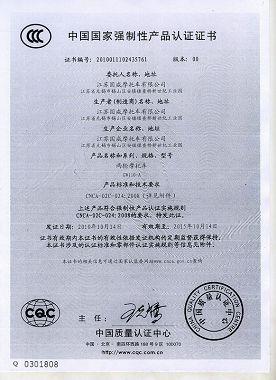
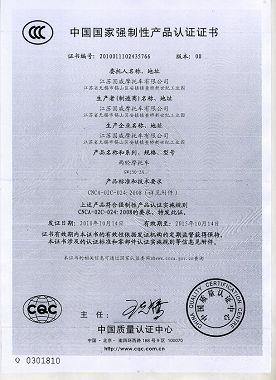
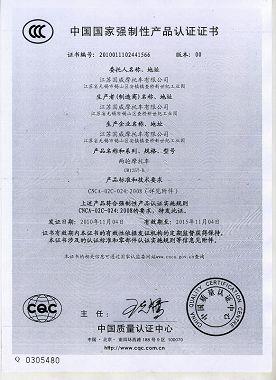
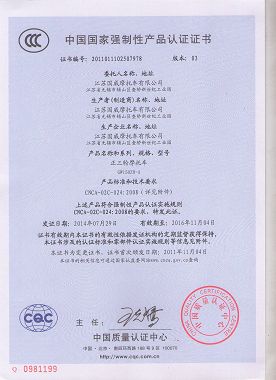
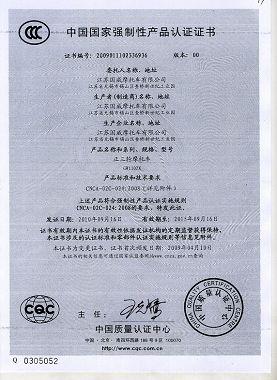
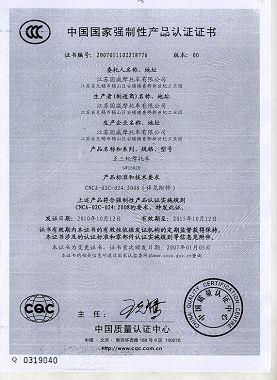
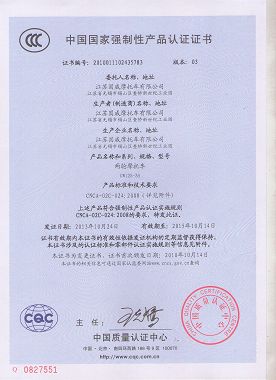
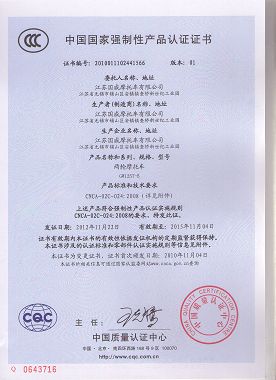
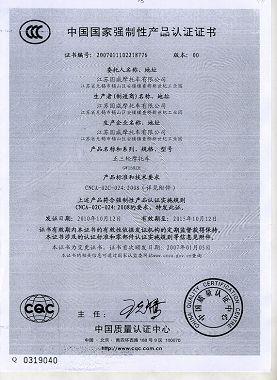
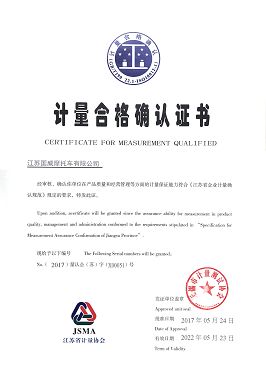
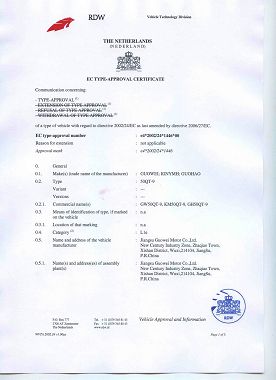
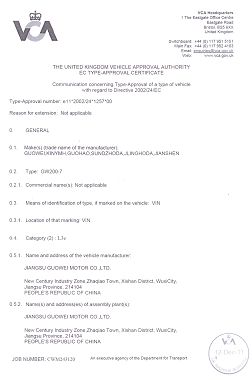
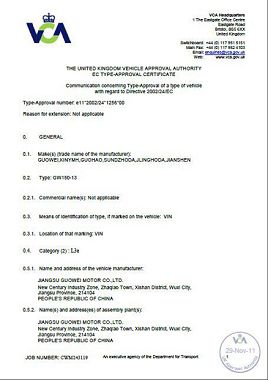
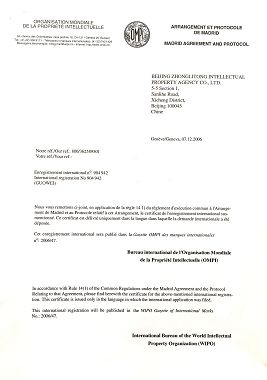
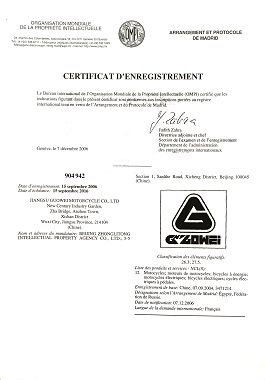
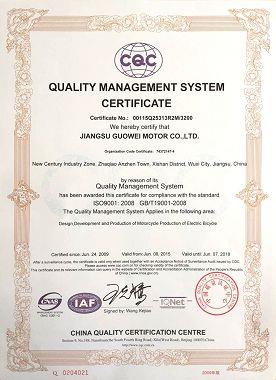
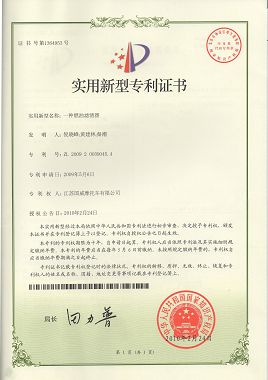
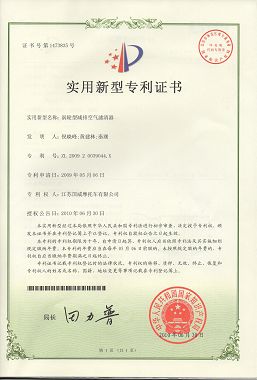
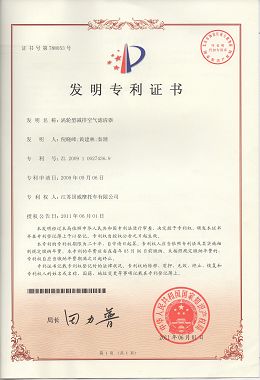
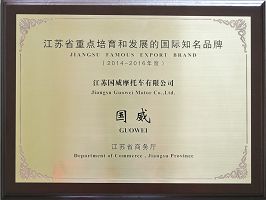
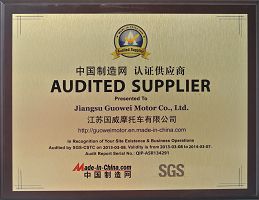
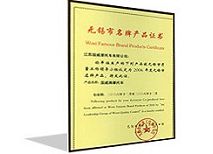
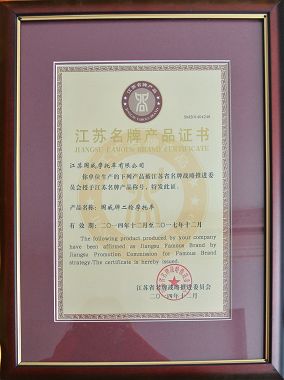
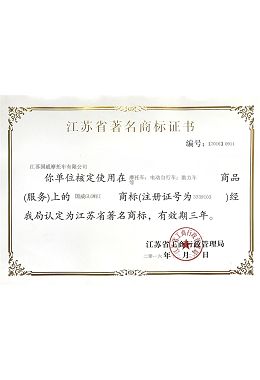
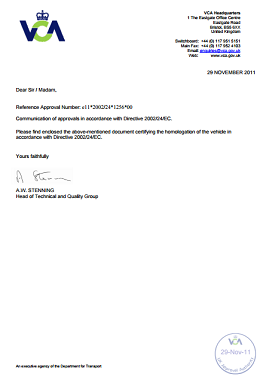
Certificate




Frequently Asked Questions
We're professional electric motorcycles manufacturers and suppliers in China, specialized in providing high quality custom service. We warmly welcome you to wholesale cheap electric motorcycles from our factory. For price consultation, contact us.
