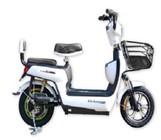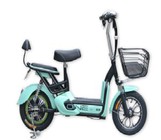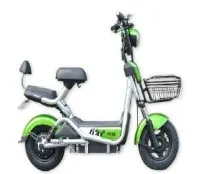

As a supplier of e-motors, I've been deeply involved in the electric vehicle industry, witnessing its rapid growth and the increasing popularity of e-motors. While e-motors offer numerous advantages, such as environmental friendliness, low operating costs, and quiet operation, it's essential to acknowledge that they also come with some disadvantages. In this blog post, I'll share my insights into the drawbacks of e-motors based on my experience in the market.
1. Limited Range and Range Anxiety
One of the most significant disadvantages of e-motors, especially in electric vehicles (EVs), is their limited range compared to traditional internal combustion engine (ICE) vehicles. Most electric cars on the market today have a range of 100 - 300 miles on a single charge, which may not be sufficient for long-distance travel or for users who frequently need to cover long distances.
For example, if you're planning a road trip across the country, you'll need to carefully plan your charging stops, which can significantly extend your travel time. This limited range also leads to a phenomenon known as "range anxiety," where drivers are constantly worried about running out of battery power before reaching their destination. This anxiety can be a major deterrent for potential EV buyers, especially those who are used to the convenience of filling up their gas tanks in a matter of minutes. [1]
2. Long Charging Times
In addition to limited range, e-motors also suffer from long charging times. Unlike gasoline-powered vehicles that can be refueled in a few minutes at a gas station, electric vehicles take much longer to charge. Even with fast chargers, it can take anywhere from 30 minutes to several hours to fully charge an electric vehicle's battery, depending on the battery capacity and the charger's power output.
This long charging time can be a significant inconvenience, especially for users who are on the go and don't have the luxury of waiting around for their vehicle to charge. For example, if you're running errands and need to recharge your car quickly, you may find yourself waiting at a charging station for an extended period, which can disrupt your schedule. Moreover, the availability of fast chargers is still limited in many areas, making it even more challenging to find a convenient place to charge your vehicle. [2]
3. High Initial Cost
Another major drawback of e-motors is their high initial cost. Electric vehicles and other e-motor-powered devices generally cost more than their gasoline-powered counterparts. This is mainly due to the high cost of manufacturing batteries, which are the most expensive component of an electric vehicle.
For example, a typical electric car can cost anywhere from $10,000 to $20,000 more than a comparable gasoline-powered car. This higher upfront cost can be a significant barrier for many consumers, especially those on a tight budget. While the operating costs of e-motors are generally lower than those of ICE vehicles, the high initial cost can make it difficult for some consumers to justify the purchase. [3]
4. Battery Degradation and Replacement Costs
The batteries used in e-motors also have a limited lifespan and are prone to degradation over time. As the battery ages, its capacity to hold a charge decreases, which can lead to a significant reduction in the vehicle's range. This battery degradation can be accelerated by factors such as high temperatures, frequent fast charging, and deep discharging.
Replacing a worn-out battery can be extremely expensive, often costing thousands of dollars. This can be a major financial burden for EV owners, especially if the battery needs to be replaced outside of the warranty period. Moreover, the disposal of old batteries also poses environmental challenges, as they contain toxic chemicals and heavy metals that need to be properly managed. [4]
5. Environmental Impact of Battery Production
While e-motors are often touted as being more environmentally friendly than ICE vehicles, the production of their batteries has a significant environmental impact. The mining and processing of the raw materials used in batteries, such as lithium, cobalt, and nickel, can cause environmental damage, including deforestation, water pollution, and soil degradation.
In addition, the energy-intensive manufacturing process of batteries requires a large amount of electricity, which is often generated from fossil fuels in many parts of the world. This means that the production of electric vehicles may actually contribute to greenhouse gas emissions, especially if the electricity used in the manufacturing process is not sourced from renewable energy sources. [5]
6. Limited Infrastructure
The limited charging infrastructure is another significant disadvantage of e-motors. Unlike gas stations, which are ubiquitous in most parts of the world, charging stations are still relatively scarce, especially in rural and remote areas. This lack of infrastructure can make it difficult for EV owners to find a place to charge their vehicles, which can further exacerbate range anxiety.
Moreover, the different types of charging connectors and standards can also create confusion for users. There are several different types of charging connectors used in the market, such as CHAdeMO, CCS, and Tesla's Supercharger, which may not be compatible with all electric vehicles. This can make it challenging for EV owners to find a charging station that is compatible with their vehicle, especially when traveling in different regions. [6]
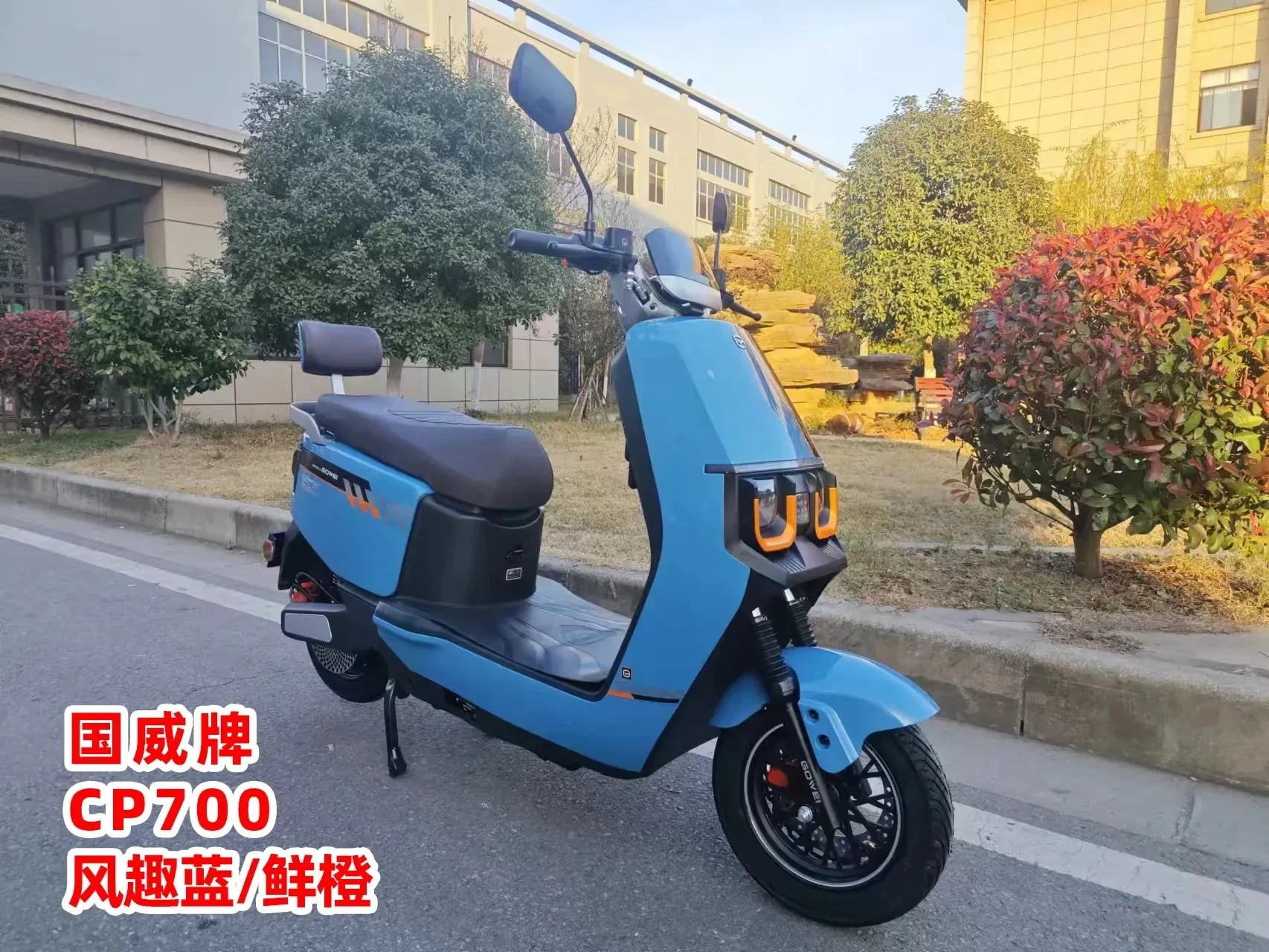
7. Performance Limitations in Extreme Conditions
E-motors can also experience performance limitations in extreme weather conditions. In cold weather, the battery's performance can be significantly reduced, which can lead to a decrease in the vehicle's range. This is because the chemical reactions that occur inside the battery slow down in cold temperatures, making it less efficient at storing and delivering energy.
On the other hand, in hot weather, the battery can overheat, which can also affect its performance and lifespan. High temperatures can cause the battery to degrade more quickly, reducing its capacity and increasing the risk of failure. In addition, the cooling systems used in electric vehicles to prevent the battery from overheating consume additional energy, which can further reduce the vehicle's range. [7]
Conclusion
In conclusion, while e-motors offer many benefits, they also come with several disadvantages that need to be carefully considered. These include limited range and range anxiety, long charging times, high initial cost, battery degradation and replacement costs, environmental impact of battery production, limited infrastructure, and performance limitations in extreme conditions. As a supplier of e-motors, I believe that it's important to be transparent about these drawbacks with our customers so that they can make informed decisions.
Despite these challenges, the electric vehicle industry is constantly evolving, and significant progress is being made in addressing these issues. For example, battery technology is improving rapidly, with the development of new battery chemistries that offer higher energy density, faster charging times, and longer lifespans. In addition, governments around the world are investing heavily in charging infrastructure, which will make it easier for EV owners to charge their vehicles.
If you're interested in learning more about our e-motors or are considering purchasing an electric vehicle, I encourage you to visit our website to explore our products. We offer a wide range of e-motors for different applications, including Electric Motorcycle For Young People, China Cheap Two Person Motorcycle Adult Electric Scooter Fast Motorcycle Scooter, and E Motorbikes Battery Operated Motorcycle. Our team of experts is also available to answer any questions you may have and to help you make the right choice for your needs. Contact us today to start a discussion about your procurement requirements.
References
[1] Siegel, J. B., & Hahn, C. (2013). Electric vehicle technology and infrastructure: A review. Journal of Power Sources, 239, 354-369.
[2] Lu, L., Han, X., Li, J., Hua, J., & Ouyang, M. (2013). A review on the key issues for lithium-ion battery management in electric vehicles. Journal of Power Sources, 226, 272-288.
[3] Gallagher, K. M., & Muehlegger, E. (2011). Does government policy drive the demand for hybrid electric vehicles? Evidence from US state tax incentives. Energy Economics, 33(6), 1058-1068.
[4] Broussely, M., Pistoia, G., Vissers, D. R., & Westerhout, E. (2005). Ageing mechanisms in lithium-ion batteries. Journal of Power Sources, 147(1), 269-281.
[5] Dale, M. J., & Benson, S. M. (2013). Energy and greenhouse gas emissions impacts of US battery electric vehicle use and production. Environmental Science & Technology, 47(13), 6816-6824.
[6] Chan, C. C. (2007). The state of the art of electric, hybrid, and fuel cell vehicles. Proceedings of the IEEE, 95(4), 704-718.
[7] Kim, G., Pesaran, A. A., & Smith, K. A. (2011). Thermal issues about lithium-ion batteries and recent progress in battery thermal management systems: A review. Journal of Power Sources, 196(1), 1-10.