
When it comes to the world of electric motors (e-motors), two primary types dominate the market: DC (Direct Current) e-motors and AC (Alternating Current) e-motors. As an e-motor supplier, I've witnessed firsthand the distinct characteristics and applications of these two types of motors. In this blog, I'll delve into the differences between DC and AC e-motors, helping you understand which one might be the best fit for your specific needs.
Basic Working Principles
Let's start with the fundamental working principles. A DC e-motor operates on direct current, which means the flow of electric charge is in one direction. The basic components of a DC e-motor include a stator (the stationary part) and a rotor (the rotating part). The stator typically contains permanent magnets or electromagnets, while the rotor has coils of wire. When direct current is applied to the coils in the rotor, a magnetic field is created. This magnetic field interacts with the magnetic field of the stator, causing the rotor to rotate.
On the other hand, an AC e-motor runs on alternating current, where the direction of the electric charge changes periodically. There are two main types of AC e-motors: induction motors and synchronous motors. In an induction motor, the rotating magnetic field of the stator induces an electric current in the rotor, which in turn creates a magnetic field. The interaction between the stator's and rotor's magnetic fields causes the rotor to turn. Synchronous motors, however, rotate at the same speed as the rotating magnetic field of the stator, which is achieved through a different design and control mechanism.
Performance Characteristics
One of the most significant differences between DC and AC e-motors lies in their performance characteristics. DC e-motors are known for their excellent speed control. By varying the voltage applied to the motor, the speed of the DC motor can be easily adjusted over a wide range. This makes them ideal for applications where precise speed control is required, such as in conveyor belts, electric vehicles for specific speed requirements, and some industrial machinery.
AC e-motors, especially induction motors, are renowned for their high efficiency and reliability. They can operate continuously for long periods without significant wear and tear. Additionally, AC motors generally have a higher power density, meaning they can produce more power per unit volume compared to DC motors. This makes them suitable for high-power applications like industrial pumps, compressors, and large electric vehicles.
Cost and Maintenance
Cost is another important factor to consider when choosing between DC and AC e-motors. DC e-motors are usually less expensive to purchase initially, especially for small-scale applications. However, they often require more maintenance due to the presence of brushes and commutators. These components can wear out over time and need to be replaced periodically, which adds to the long-term cost.
AC e-motors, particularly induction motors, have a simpler design without brushes and commutators. This results in lower maintenance requirements and longer service life. Although the initial purchase price of an AC motor may be higher than that of a DC motor, the reduced maintenance costs can offset the initial investment in the long run.
Applications
The differences in performance, cost, and maintenance also lead to different application scenarios for DC and AC e-motors. DC e-motors are commonly used in small electric vehicles, toys, and some low-power industrial equipment. They are also popular in battery-powered devices because they can directly use the DC power from the battery without the need for a complex power conversion system.
AC e-motors, on the other hand, are widely used in industrial applications, large electric vehicles, and household appliances. For example, in the industrial sector, they power conveyor systems, pumps, and fans. In the automotive industry, AC motors are increasingly being used in electric cars and buses due to their high efficiency and power output.
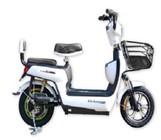
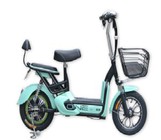
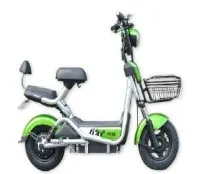
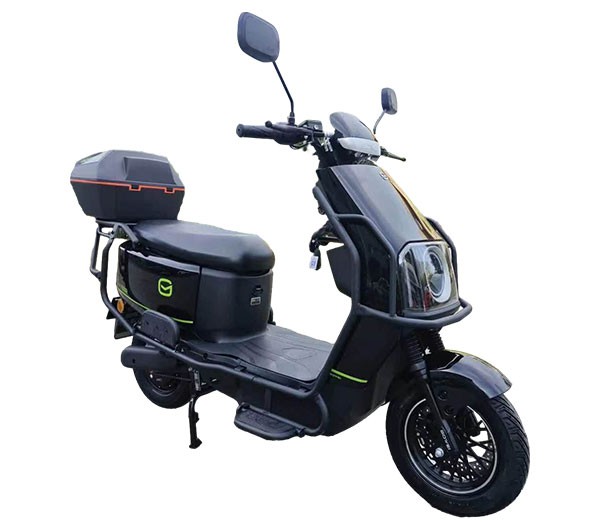
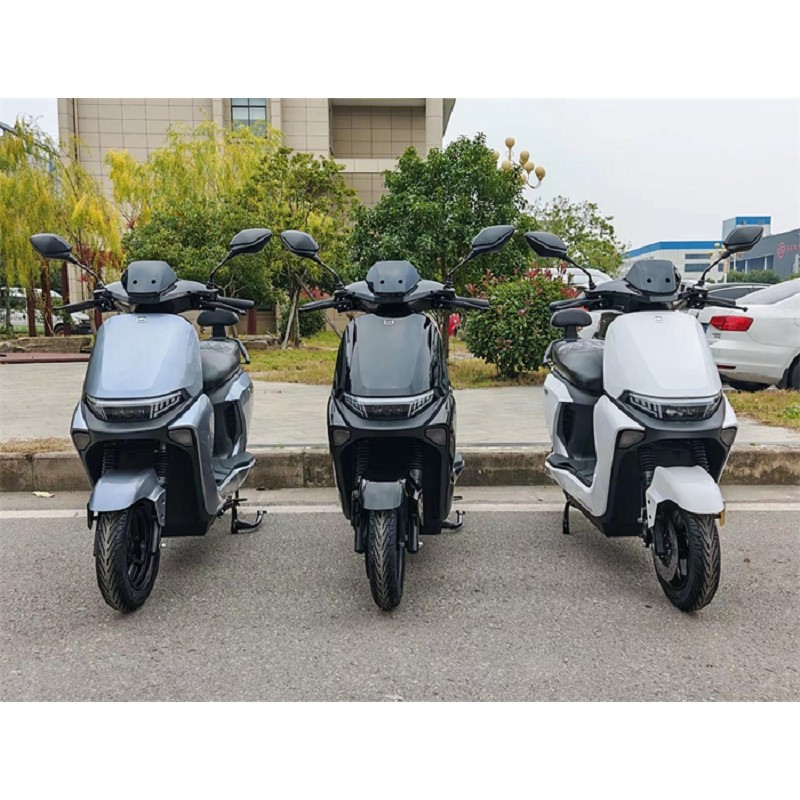
If you're looking for electric motorcycles that utilize these motors, we offer a range of options. Check out our Range And Powerful Electric Motorcycle For City Life, High Performance Electric Motorbike, and Electric Motorcycle For Delivery. These motorcycles are designed to meet different needs and preferences, whether you're commuting in the city, looking for high performance, or need a reliable vehicle for delivery services.
Conclusion
In conclusion, the choice between a DC e-motor and an AC e-motor depends on various factors, including the specific application requirements, performance needs, cost considerations, and maintenance capabilities. As an e-motor supplier, we understand the unique characteristics of each type of motor and can help you make an informed decision. Whether you need a DC motor for its precise speed control or an AC motor for its high efficiency and reliability, we have the expertise and products to meet your needs.
If you're interested in purchasing e-motors for your projects, we invite you to contact us for a detailed discussion. Our team of experts will be happy to assist you in selecting the most suitable motor and provide you with the best solutions.
References
- Chapman, S. J. (2012). Electric Machinery Fundamentals. McGraw-Hill Education.
- Fitzgerald, A. E., Kingsley Jr, C., & Umans, S. D. (2003). Electric Machinery. McGraw-Hill Education.