
Hey there, fellow motorcycle enthusiasts! I'm a supplier in the motorcycle industry, and today, I'm here to talk about a crucial part of your bike—the clutch. A worn - out clutch can really put a damper on your riding experience. So, let's take a look at the signs that indicate your motorcycle clutch might be on its last legs.
1. Slipping Clutch
One of the most obvious signs of a worn - out clutch is clutch slipping. If your engine revs up but the bike doesn't accelerate as it should, that's a red flag. You're probably familiar with the normal relationship between your throttle and speed. When you twist the throttle, the bike takes off smoothly. But when the clutch is slipping, it's like there's a disconnect between the engine and the wheels.
This usually happens when the clutch plates are worn down. The friction material on the plates is what allows the clutch to grip properly and transfer power from the engine to the transmission. Over time, with regular use, this friction material wears thin, and the clutch can no longer hold the torque effectively.
For example, you might be cruising at a steady speed, and then when you try to accelerate, the engine sounds like it's working hard, but the bike just doesn't pick up speed. It's as if you're stuck in a lower gear than you should be. If you notice this happening frequently, it's definitely time to have your clutch checked.
As a motorcycle supplier, I've seen many cases where riders ignore the early signs of clutch slipping, and it ends up causing more serious problems down the road. So, don't wait until it's too late!
2. Difficulty Shifting Gears
Another sign of a worn - out clutch is difficulty shifting gears. You should be able to shift smoothly between gears without any grinding or resistance. But if your clutch is going bad, you might find it hard to get into gear, or you might hear a grinding noise when you try to shift.
This could be due to a few different things. The clutch may not be fully disengaging when you pull in the clutch lever. That means the gears are still trying to spin while you're trying to shift them, which causes the grinding. It could also be that the clutch cables or hydraulic lines are worn or damaged, preventing the clutch from operating properly.
If you're having trouble shifting gears, especially when you're starting from a stop or when you're trying to downshift quickly, it's a good idea to come in and let us check it out. We've got the tools and expertise to diagnose the problem and get your bike shifting smoothly again.
3. Burning Smell
A burning smell coming from your motorcycle can be a clear indication of a problem, and it's especially concerning when it's related to the clutch. When the clutch slips, the friction between the clutch plates generates a lot of heat. This can cause the clutch plates to overheat, and when that happens, you'll start to smell that distinct burning odor.
The burning smell is basically the friction material on the clutch plates starting to break down and burn. It's not only a sign of a worn - out clutch but also a safety hazard. If the clutch plates get too hot, they can warp or even damage other parts of the clutch assembly.
So, if you ever catch a whiff of that burning smell while you're riding, pull over and check it out. Don't try to keep riding, as it could cause further damage to your bike. And if you're unsure, just give us a call. We'll be happy to help you figure out what's going on.
4. Soft or Spongy Clutch Lever
The feel of your clutch lever can tell you a lot about the condition of your clutch. Normally, the clutch lever should have a firm and consistent feel when you pull it in and release it. But if your clutch is worn out, you might notice that the lever feels soft or spongy.
This is often a sign of a problem with the clutch hydraulic system (if your bike has a hydraulic clutch) or a stretched clutch cable (if it's a cable - operated clutch). In a hydraulic clutch system, air can get into the lines, which reduces the pressure and makes the lever feel soft. A stretched clutch cable won't be able to pull the clutch plates apart as effectively, also resulting in a soft - feeling lever.
If you notice that your clutch lever doesn't feel right, it's important to address the issue soon. Ignoring it can lead to more serious clutch problems, and you definitely don't want that.
5. Longer Clutch Engagement
When you first got your motorcycle, you probably got used to the way the clutch engaged. But over time, if the clutch is wearing out, you might notice that it takes longer to engage. That means you have to let the clutch lever out further before the bike starts moving.
This is because the worn clutch plates have less friction, so they need more pressure to grip properly. As a result, you have to release the clutch lever more than usual to get the bike to start moving. It can be a subtle change at first, but if you pay attention to how your bike feels when you're taking off, you'll notice the difference.
If you're experiencing a longer clutch engagement, it's a sign that the clutch is on its way out. Come talk to us, and we'll help you determine the best course of action.
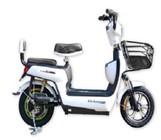
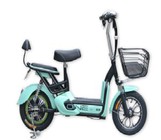
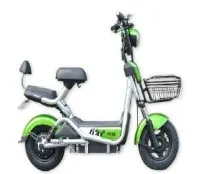
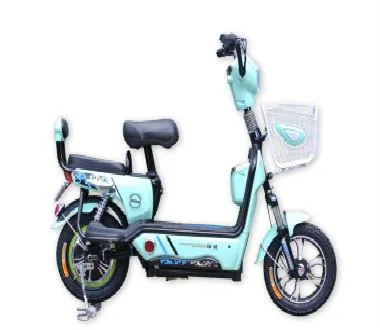
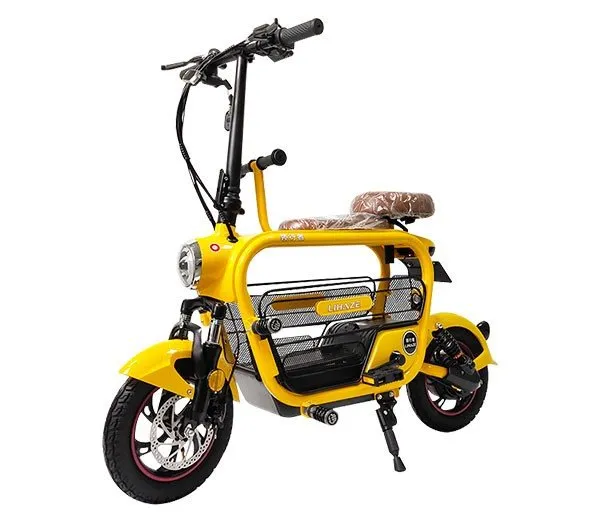
Now, while we're on the topic of motorcycles, I'd also like to mention some of the other great products we offer. If you're looking for more options, check out our Lithium Foldable Bicycle, Small Electric Powered Bike, and Sport E Bicycle Giant Electric Bike. These are all high - quality vehicles that can provide a great alternative riding experience.
If you've noticed any of the signs of a worn - out clutch on your motorcycle or if you're interested in any of our other products, don't hesitate to reach out. We're here to help you keep your ride in top shape and find the perfect motorcycle or bike for you. Let's start a conversation about your needs and see how we can assist you in your procurement process.
References
- Motorcycle Maintenance Manuals
- Industry Knowledge and Experience from Working as a Motorcycle Supplier