
As a seasoned e-motor supplier, I've encountered a wide array of challenges when it comes to e-motors. In this blog, I'll share some effective troubleshooting methods for common e-motor problems. By understanding these issues and their solutions, you can ensure the smooth operation of your e-motor and extend its lifespan.
1. Overheating Issues
One of the most prevalent problems in e-motors is overheating. Overheating can lead to reduced efficiency, damage to the motor windings, and even complete motor failure. Here are some possible causes and solutions:
Causes
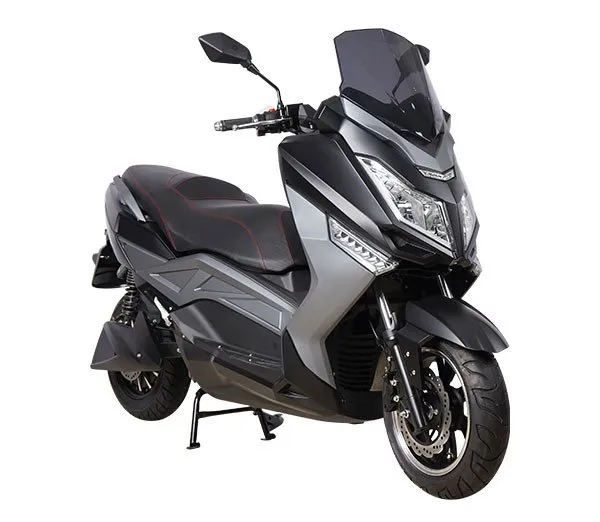
- Excessive Load: If the e-motor is consistently working under a load that exceeds its rated capacity, it will generate more heat than it can dissipate. For example, in an Electric Motorcycle And Scooter, if the rider frequently carries heavy loads or rides on steep inclines for extended periods, the motor may overheat.
- Poor Ventilation: E-motors rely on proper ventilation to dissipate heat. If the motor's cooling fins are blocked by dirt, debris, or if the ventilation system is malfunctioning, heat will build up inside the motor.
- High Ambient Temperature: Operating the e-motor in a hot environment can also contribute to overheating. For instance, leaving an Adult Powerful Electric Motorcycle parked in direct sunlight for a long time before use can cause the motor to start at a higher temperature.
Solutions
- Reduce the Load: Ensure that the e-motor is not being overworked. If necessary, reduce the load or upgrade to a more powerful motor. For example, if you're using an e-motor in a delivery vehicle, make sure the vehicle is not overloaded with packages.
- Clean the Ventilation System: Regularly clean the cooling fins and check the ventilation system for any blockages. You can use compressed air to blow out dirt and debris from the fins.
- Provide Adequate Shade: When possible, park the e-motor-powered device in a shaded area to reduce the ambient temperature. If the motor is installed in a fixed location, consider installing additional cooling equipment such as fans or heat sinks.
2. Electrical Problems
Electrical issues can also cause significant problems in e-motors. These problems can range from minor glitches to complete electrical failures. Here are some common electrical problems and their solutions:
Causes
- Loose Connections: Over time, electrical connections can become loose due to vibrations or improper installation. Loose connections can cause arcing, which can damage the motor and reduce its performance.
- Faulty Wiring: Damaged or frayed wiring can lead to short circuits, electrical leaks, and other problems. Wiring can be damaged by physical stress, heat, or exposure to moisture.
- Defective Capacitors or Diodes: Capacitors and diodes are essential components in e-motors. If these components are defective, they can cause the motor to malfunction or not start at all.
Solutions
- Check and Tighten Connections: Regularly inspect all electrical connections and tighten any loose ones. You can use a torque wrench to ensure that the connections are tightened to the correct specifications.
- Replace Damaged Wiring: If you notice any damaged or frayed wiring, replace it immediately. Make sure to use the correct gauge and type of wiring for the motor.
- Test and Replace Defective Components: Use a multimeter or other testing equipment to check the capacitors and diodes for defects. If a component is found to be defective, replace it with a new one.
3. Mechanical Problems
Mechanical problems can also affect the performance of e-motors. These problems can include issues with the bearings, shafts, and gears. Here are some common mechanical problems and their solutions:
Causes
- Worn Bearings: Bearings are critical components in e-motors. Over time, they can wear out due to friction and heat. Worn bearings can cause the motor to vibrate, make noise, and reduce its efficiency.
- Misaligned Shafts: If the motor shafts are misaligned, it can cause excessive stress on the bearings and other components. Misalignment can occur during installation or due to mechanical shock.
- Damaged Gears: Gears are used to transfer power from the motor to the load. If the gears are damaged or worn, they can cause the motor to slip, make noise, or not function properly.
Solutions
- Replace Worn Bearings: Regularly inspect the bearings for wear and replace them as needed. Make sure to use high-quality bearings that are compatible with the motor.
- Align the Shafts: Use alignment tools to ensure that the motor shafts are properly aligned. If necessary, adjust the motor mounts or couplings to correct any misalignment.
- Repair or Replace Damaged Gears: If the gears are damaged, they can often be repaired or replaced. Make sure to use the correct type and size of gears for the motor.
4. Control System Problems
The control system is responsible for regulating the speed, torque, and other parameters of the e-motor. If the control system malfunctions, it can cause the motor to operate erratically or not at all. Here are some common control system problems and their solutions:
Causes
- Software Glitches: The control system software can sometimes develop glitches or bugs. These glitches can cause the motor to behave unpredictably or not respond to commands.
- Sensor Failures: Sensors are used to monitor the motor's speed, temperature, and other parameters. If a sensor fails, the control system may not be able to accurately regulate the motor.
- Faulty Controllers: The controller is the main component of the control system. If the controller is defective, it can cause the motor to malfunction or not start at all.
Solutions
- Update the Software: Check for software updates for the control system and install them as needed. Software updates can often fix glitches and improve the performance of the motor.
- Replace Failed Sensors: If a sensor is found to be defective, replace it with a new one. Make sure to use the correct type and model of sensor for the motor.
- Repair or Replace the Controller: If the controller is faulty, it may need to be repaired or replaced. Contact the manufacturer or a qualified technician for assistance.
Conclusion
Troubleshooting common problems in e-motors requires a systematic approach. By understanding the possible causes and solutions for each problem, you can quickly identify and resolve issues to ensure the smooth operation of your e-motor. Remember to regularly maintain your e-motor and follow the manufacturer's recommendations for use and maintenance.
If you're experiencing persistent problems with your e-motor or need assistance with troubleshooting, don't hesitate to reach out to us. As a leading e-motor supplier, we have the expertise and resources to help you find the best solutions for your needs. Whether you're looking for a replacement motor, spare parts, or technical support, we're here to assist you. Contact us today to discuss your requirements and start a procurement洽谈 process.
References
- "Electric Motor Handbook" by Arnold Tustin
- "Motor and Drive Troubleshooting" by Tim Williams
- Manufacturer's manuals and technical documentation for e-motors