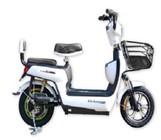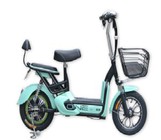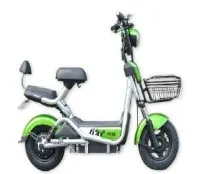

Maintaining a tricycle is crucial for ensuring its longevity, safety, and optimal performance. As a tricycle supplier, I understand the significance of proper maintenance and want to share some valuable tips to help you keep your tricycle in top - notch condition.
Regular Cleaning
One of the most fundamental aspects of tricycle maintenance is regular cleaning. Dirt, dust, and grime can accumulate on various parts of the tricycle, leading to premature wear and tear. Use a mild soap and water solution to clean the frame, wheels, and other components. Avoid using harsh chemicals as they may damage the paint or other finishes.
Start by rinsing the tricycle with water to remove loose debris. Then, use a soft sponge or cloth to apply the soapy water. Pay special attention to areas where dirt tends to build up, such as the chain, gears, and brakes. After cleaning, rinse the tricycle thoroughly with clean water and dry it with a soft towel. This simple routine can prevent corrosion and keep your tricycle looking great.
Chain Maintenance
The chain is a critical component of a tricycle, especially in pedal - powered or electric tricycles. A well - maintained chain ensures smooth operation and efficient power transfer. Regularly lubricate the chain to reduce friction and prevent rust. You can use a specialized chain lubricant available at most bike shops.
Before applying the lubricant, clean the chain using a chain cleaner or a degreaser. Use a brush to remove any dirt or grime from the chain links. Once the chain is clean and dry, apply a small amount of lubricant to each link. Rotate the pedals to distribute the lubricant evenly. Wipe off any excess lubricant with a clean cloth to prevent dirt from sticking to the chain.
Tire Care
Proper tire care is essential for a safe and comfortable ride. Check the tire pressure regularly using a tire pressure gauge. The recommended tire pressure can usually be found on the sidewall of the tire. Under - inflated tires can increase rolling resistance, making it harder to pedal or reducing the efficiency of an electric tricycle. Over - inflated tires, on the other hand, can make the ride bumpy and increase the risk of a blowout.
Inspect the tires for signs of wear and tear, such as cuts, punctures, or bald spots. Replace the tires if they are damaged or worn beyond the recommended tread depth. Additionally, make sure the tires are properly aligned. Misaligned tires can cause uneven wear and affect the handling of the tricycle.
Brake Maintenance
The brakes are one of the most important safety features of a tricycle. Regularly check the brake pads for wear. If the brake pads are worn down to the minimum thickness, they should be replaced immediately. You can usually tell if the brake pads need replacing by looking at the wear indicator on the pads.
Adjust the brake cables as needed to ensure proper braking performance. If the brakes feel spongy or do not engage properly, there may be air in the brake lines. In this case, you may need to bleed the brakes. However, if you are not familiar with this procedure, it is best to take your tricycle to a professional mechanic.
Battery Maintenance (for Electric Tricycles)
If you own an electric tricycle, proper battery maintenance is crucial. Follow the manufacturer's instructions for charging and storing the battery. Over - charging or under - charging the battery can reduce its lifespan.
Avoid exposing the battery to extreme temperatures, as this can also damage the battery. When not in use, store the battery in a cool, dry place. If you notice any signs of damage to the battery, such as swelling or leakage, stop using the battery immediately and contact the manufacturer for further instructions.
Suspension System (if applicable)
Some tricycles come with a suspension system to provide a smoother ride. If your tricycle has a suspension system, regularly inspect it for any signs of damage or leaks. Check the shock absorbers and make sure they are functioning properly.
Lubricate the moving parts of the suspension system as recommended by the manufacturer. If you notice any unusual noises or a rough ride, it may be a sign that the suspension system needs to be serviced.
Steering and Handling
Regularly check the steering mechanism of your tricycle. Make sure the steering is smooth and responsive. Check the bolts and nuts that hold the steering components in place to ensure they are tightened properly.
If you notice any play or looseness in the steering, it may be a sign of a problem. Have the steering system inspected by a professional to prevent any safety issues.
Storage
When not in use, store your tricycle in a dry, sheltered place. If possible, store the tricycle indoors to protect it from the elements. If you need to store the tricycle outdoors, use a protective cover to prevent it from getting wet or damaged by sunlight.
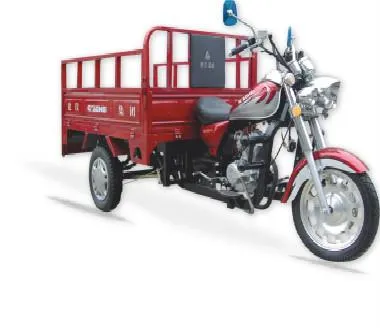
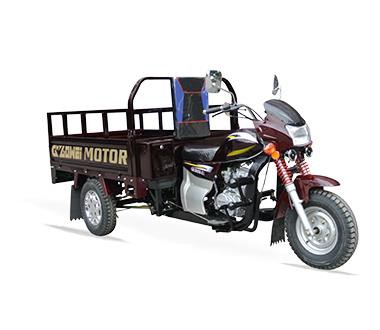
Before storing the tricycle for an extended period, make sure it is clean and dry. Lubricate all the moving parts to prevent rust. If you are storing an electric tricycle, charge the battery to about 50% and then disconnect it from the tricycle.
Conclusion
Maintaining a tricycle requires regular attention and care. By following these tips, you can ensure that your tricycle remains in excellent condition for years to come. At our company, we offer a wide range of tricycles, including 3 Wheel Electric Bikes For Adults, High Quality Tricycle For Adults, and Petrol 3 Wheel Motorcycle.
If you are interested in purchasing a tricycle or have any questions about tricycle maintenance, please feel free to contact us. We are here to help you find the perfect tricycle for your needs and provide you with the support and advice you need to keep it running smoothly.
References
- "Bicycle Maintenance Guide" - General biking maintenance literature.
- Manufacturer's manuals for tricycles.
- Online resources on tricycle and bike maintenance.