
Hey there! As an e - motor supplier, I've seen firsthand how electromagnetic interference (EMI) can be a real headache in the world of electric motors. In this blog, I'm gonna share some tips on how to deal with EMI in e - motors.
What is Electromagnetic Interference?
First things first, let's talk about what EMI actually is. Electromagnetic interference is the disturbance that affects an electrical circuit due to either electromagnetic induction or electromagnetic radiation emitted from an external source. In the case of e - motors, this interference can come from a variety of sources. For example, the switching action of power electronics in the motor controller can generate high - frequency electromagnetic fields. These fields can then interfere with other electronic components in the system, like sensors or communication devices.
Why is EMI a Problem?
EMI can cause a whole bunch of issues. It can lead to errors in sensor readings. If a motor's speed sensor is affected by EMI, the controller might receive inaccurate information about the motor's speed, which can result in improper control of the motor. This can lead to reduced performance, increased energy consumption, and even damage to the motor or other components over time.
Another big problem is that EMI can disrupt communication systems. In modern e - motor applications, there are often communication links between the motor controller, other parts of the vehicle (if it's an automotive application), or industrial control systems. EMI can cause data corruption or loss in these communication channels, leading to malfunctions or system failures.
How to Deal with EMI
Shielding
One of the most effective ways to deal with EMI is through shielding. Shielding involves enclosing the e - motor or its sensitive components in a conductive material, like metal. The metal shield acts as a barrier, preventing the electromagnetic fields from escaping or entering the shielded area.
For example, we can use a metal enclosure for the motor controller. This enclosure should be properly grounded to ensure that any induced currents are safely conducted to the ground. There are different types of shielding materials available, such as copper, aluminum, and steel. Each has its own advantages and disadvantages. Copper is a good conductor and has excellent shielding properties at high frequencies, but it can be expensive. Aluminum is lighter and more cost - effective, but its shielding effectiveness might be slightly lower than copper in some cases. Steel is strong and can provide good shielding at lower frequencies.
When installing the shield, it's important to make sure that there are no gaps or holes in the shield. Even a small gap can allow electromagnetic fields to leak through. Sealing the joints and seams of the shield with conductive gaskets or tapes can help to maintain the integrity of the shield.
Filtering
Filtering is another crucial method for dealing with EMI. Filters are electrical circuits that are designed to allow certain frequencies to pass through while blocking others. In the context of e - motors, we use filters to reduce the high - frequency noise generated by the motor or its controller.
There are different types of filters, such as low - pass filters, high - pass filters, and band - pass filters. For e - motor applications, low - pass filters are commonly used. A low - pass filter allows low - frequency signals (like the fundamental frequency of the motor's operation) to pass through while attenuating high - frequency noise.
Capacitors and inductors are the basic components of filters. Capacitors can be used to bypass high - frequency noise to the ground, while inductors can block high - frequency currents. For example, a common mode choke is a type of inductor that is often used in power supply lines of e - motor controllers. It helps to reduce common - mode noise, which is the noise that appears on both power lines with the same phase and amplitude.
Circuit Layout
The layout of the electrical circuits in the e - motor system also plays a significant role in reducing EMI. When designing the circuit board for the motor controller, we should keep the high - current and high - voltage traces as short as possible. Long traces can act as antennas, radiating electromagnetic fields.
We should also separate the power circuits from the signal circuits. Power circuits carry high - power currents and can generate a lot of electromagnetic noise. Signal circuits, on the other hand, are more sensitive to this noise. By keeping them separate, we can minimize the coupling of electromagnetic fields between the two types of circuits.
In addition, proper grounding is essential in circuit layout. A good grounding system provides a low - impedance path for the return currents, which helps to reduce the electromagnetic fields generated by the currents. We should use a single - point grounding scheme whenever possible to avoid ground loops, which can cause additional EMI problems.
Component Selection
The components we choose for the e - motor system can also have a big impact on EMI. For example, when selecting power semiconductor devices (like MOSFETs or IGBTs) for the motor controller, we should choose devices with low switching noise. Some modern power semiconductors are designed with features to reduce the high - frequency transients that occur during switching, which can significantly reduce EMI.
We should also pay attention to the quality of the capacitors and inductors used in the filters. High - quality components with low equivalent series resistance (ESR) and equivalent series inductance (ESL) can provide better filtering performance.
Our Products and EMI Mitigation
At our company, we take EMI very seriously. Our e - motors are designed with all these EMI mitigation techniques in mind. We use high - quality shielding materials to enclose our motors and controllers, ensuring that the electromagnetic fields are well - contained. Our circuit designs are optimized to minimize EMI, with careful attention to component placement and grounding.
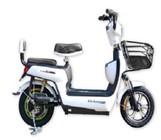
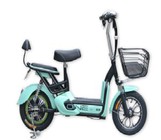
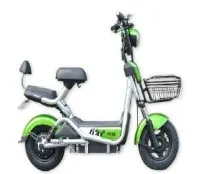
We offer a wide range of e - motors for different applications. For example, we have the Hot Popular Electrical Adults Ride On Mini Electric Motorcycle For Adults. This mini electric motorcycle is powered by our high - performance e - motor, which has been thoroughly tested to ensure low EMI levels. The motor controller in this motorcycle uses advanced filtering techniques to reduce any potential interference, providing a smooth and reliable riding experience.
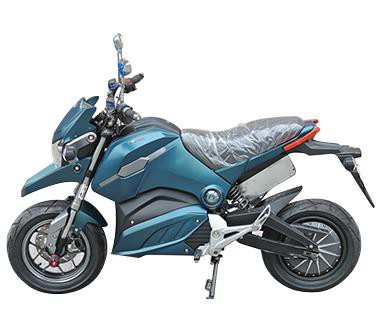
Another great product is our High Performance Electric Motorbike. This motorbike is designed for those who demand high - speed and high - power performance. Our engineers have worked hard to minimize EMI in this application, using state - of the - art shielding and circuit design techniques.
We also have E Motorbikes Battery Operated Motorcycle. These battery - operated motorcycles rely on efficient e - motors and controllers. We've implemented strict EMI control measures in these products to ensure the longevity and reliability of the battery management system and other electronic components.
Contact Us for Purchasing
If you're interested in our e - motors and want to learn more about how we deal with EMI, or if you're looking for a reliable e - motor supplier for your application, don't hesitate to get in touch with us. We're always ready to have a chat about your specific needs and provide you with the best solutions. Whether you're in the automotive industry, industrial automation, or any other field that requires high - performance e - motors, we've got you covered.
References
- Electromagnetic Compatibility Engineering by Henry W. Ott
- Power Electronics: Converters, Applications, and Design by Ned Mohan, Tore M. Undeland, and William P. Robbins
- Handbook of Electric Motors by Irving L. Kosow