
Are E-trikes Suitable for People with Disabilities?
As a supplier of E-trikes, I've had the privilege of witnessing the transformative impact these vehicles can have on the lives of people with disabilities. In this blog, I'll delve into the question of whether E-trikes are suitable for individuals with disabilities, exploring the benefits, considerations, and real-world applications.
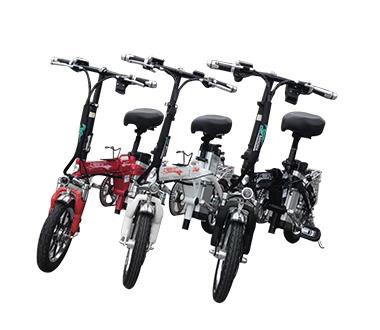
The Benefits of E-trikes for People with Disabilities
Enhanced Mobility
One of the most significant advantages of E-trikes for people with disabilities is the enhanced mobility they offer. For individuals with limited physical strength or mobility issues, traditional bicycles can be challenging or even impossible to ride. E-trikes, on the other hand, are equipped with electric motors that provide assistance, making it easier to pedal and navigate various terrains. This increased mobility allows people with disabilities to enjoy the freedom of outdoor travel, run errands, and participate in social activities.
Improved Independence
E-trikes can also significantly improve the independence of people with disabilities. By providing a reliable and convenient mode of transportation, E-trikes enable individuals to travel without relying on others for assistance. This newfound independence can have a profound impact on their quality of life, boosting self-esteem and confidence. For example, a person with a mobility impairment can use an E-trike to commute to work or school, visit friends and family, or simply enjoy a leisurely ride in the park.
Health Benefits
In addition to the mobility and independence benefits, E-trikes can also have positive health effects for people with disabilities. The act of pedaling, even with the assistance of an electric motor, provides a form of low-impact exercise that can help improve cardiovascular health, muscle strength, and joint flexibility. Regular physical activity can also reduce the risk of chronic diseases such as obesity, diabetes, and heart disease. Moreover, spending time outdoors and enjoying nature can have a therapeutic effect on mental health, reducing stress and anxiety.
Customization Options
E-trikes come in a variety of designs and configurations, allowing for customization to meet the specific needs of people with disabilities. Some E-trikes are equipped with features such as adjustable seats, handlebars, and pedals, making them more comfortable and accessible for individuals with different physical abilities. Additionally, there are specialized E-trikes available for people with specific disabilities, such as those with limited upper body strength or balance issues. For example, some E-trikes have a recumbent design, which provides a more comfortable and stable riding position for individuals with back or neck problems.
Considerations for People with Disabilities
Physical Abilities
Before purchasing an E-trike, it's important for people with disabilities to consider their physical abilities and limitations. This includes factors such as strength, balance, and range of motion. For example, individuals with limited upper body strength may need an E-trike with a more powerful electric motor or a design that requires less effort to pedal. Similarly, people with balance issues may benefit from an E-trike with a wider wheelbase or a lower center of gravity to provide greater stability.
Terrain and Environment
The terrain and environment in which the E-trike will be used should also be taken into account. Different E-trikes are designed for different types of terrain, such as flat roads, hills, or off-road trails. If the individual plans to use the E-trike primarily on flat surfaces, a standard E-trike with a lower power motor may be sufficient. However, if they will be navigating hilly or rough terrain, a more powerful E-trike with a higher torque motor may be necessary. Additionally, factors such as weather conditions and the availability of charging stations should also be considered.
Safety Features
Safety is always a top priority, especially for people with disabilities. When choosing an E-trike, it's important to look for models that are equipped with safety features such as brakes, lights, and reflectors. Additionally, some E-trikes have features such as anti-lock brakes, stability control, and automatic speed reduction, which can help prevent accidents and ensure a safe riding experience. It's also recommended that individuals wear a helmet and other protective gear when riding an E-trike.
Cost and Affordability
The cost of an E-trike can vary depending on the brand, model, and features. While E-trikes can be more expensive than traditional bicycles, they can also provide significant benefits for people with disabilities. It's important to consider the long-term cost savings and quality of life improvements that an E-trike can offer. Additionally, there may be financial assistance programs available, such as grants or loans, to help offset the cost of purchasing an E-trike.
Real-World Applications
Commuting
E-trikes can be a practical and efficient mode of transportation for people with disabilities who need to commute to work or school. They offer a convenient alternative to public transportation, which can be challenging or inaccessible for individuals with mobility issues. With an E-trike, they can avoid the hassle of waiting for buses or trains and enjoy a more direct and personalized commute. Additionally, E-trikes are environmentally friendly, producing zero emissions and reducing traffic congestion.
Recreation and Leisure
E-trikes are also a great way for people with disabilities to enjoy outdoor recreation and leisure activities. Whether it's a leisurely ride in the park, a scenic bike tour, or a weekend adventure, E-trikes provide a fun and accessible way to explore the outdoors. They allow individuals to connect with nature, enjoy fresh air and sunshine, and engage in physical activity at their own pace. Moreover, E-trikes can be a social activity, allowing people with disabilities to participate in group rides and events with friends and family.
Accessibility in Public Spaces
E-trikes can also play an important role in improving accessibility in public spaces. Many cities and towns are now investing in bike lanes and other infrastructure to make it easier for people to use bicycles and E-trikes as a mode of transportation. This increased accessibility can benefit people with disabilities, allowing them to travel more freely and independently within their communities. Additionally, E-trikes can be used in conjunction with other forms of transportation, such as public transit, to provide a more seamless and accessible travel experience.
Conclusion
In conclusion, E-trikes can be a suitable and beneficial option for people with disabilities. They offer enhanced mobility, improved independence, health benefits, and customization options. However, it's important for individuals with disabilities to carefully consider their physical abilities, terrain and environment, safety features, and cost before purchasing an E-trike. By choosing the right E-trike and taking the necessary precautions, people with disabilities can enjoy the many benefits that these vehicles have to offer.
If you're interested in learning more about our E-trikes or have any questions about their suitability for people with disabilities, please don't hesitate to [contact us for a procurement discussion]. We're here to help you find the perfect E-trike to meet your needs and improve your quality of life.
References
- [List relevant research studies, articles, or reports here]
- [Include any industry standards or guidelines related to E-trikes and disabilities]
- [Cite any personal experiences or case studies that support your points]