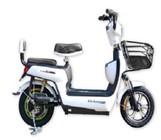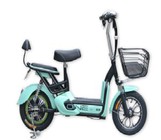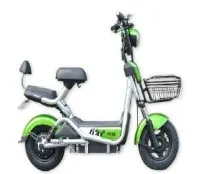

The distance a motorcycle can travel on a full tank is a question that many motorcycle enthusiasts and potential buyers often ask. As a motorcycle supplier, I've encountered this query numerous times. The answer isn't straightforward, as it depends on several factors, including the motorcycle's fuel tank capacity, fuel efficiency, riding conditions, and the rider's style.
Fuel Tank Capacity
The most obvious factor influencing a motorcycle's range is its fuel tank capacity. Different motorcycles come with different tank sizes. For instance, some small scooters may have a fuel tank capacity of as little as 3 - 5 liters, while large touring motorcycles can have tanks that hold 20 - 30 liters or more. A larger fuel tank generally means the potential for a longer journey without refueling.
Let's take a look at some common motorcycle types and their typical fuel tank capacities. Sportbikes, designed for speed and agility, often have relatively small fuel tanks, usually in the range of 12 - 18 liters. This is because they are optimized for performance, and a smaller tank helps keep the weight down. On the other hand, adventure and touring motorcycles prioritize long - distance travel. Models like the BMW R 1250 GS Adventure can have a fuel tank capacity of up to 30 liters, allowing riders to cover vast distances between fuel stops.
Fuel Efficiency
Fuel efficiency, measured in miles per gallon (MPG) or liters per 100 kilometers (L/100km), is another crucial factor. A motorcycle with high fuel efficiency can travel further on the same amount of fuel. Modern motorcycles are becoming increasingly fuel - efficient, thanks to advancements in engine technology, such as fuel injection systems, variable valve timing, and lightweight materials.
Small displacement motorcycles, like 125cc scooters or commuter bikes, are typically very fuel - efficient. They can achieve fuel economy figures of 70 - 100 MPG or even more. These bikes are ideal for urban commuting and short trips, where their excellent fuel efficiency translates into significant savings at the pump.
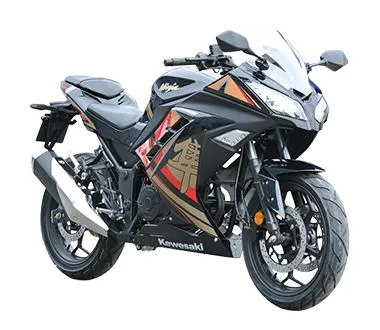
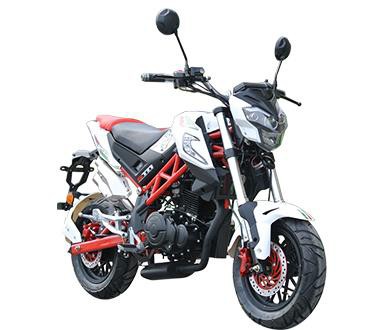
In contrast, high - performance motorcycles, such as superbikes with large, powerful engines, tend to have lower fuel efficiency. Their high - revving engines consume more fuel to produce the power needed for rapid acceleration and high - speed riding. A typical superbike might achieve 25 - 40 MPG, depending on how it's ridden.
Hybrid motorcycles are an emerging trend in the industry. The High Power Hybrid Motorcycle combines an internal combustion engine with an electric motor, offering the potential for improved fuel efficiency and extended range. These motorcycles can switch between electric and gasoline power, depending on the riding conditions, to optimize fuel consumption.
Riding Conditions
Riding conditions play a significant role in determining how far a motorcycle can travel on a full tank. Riding on flat, smooth highways at a constant speed is generally the most fuel - efficient way to ride. When the motorcycle is cruising at a steady pace, the engine operates in its most efficient range, and there is less energy wasted on acceleration and deceleration.
In stop - and - go city traffic, fuel efficiency drops significantly. Frequent acceleration and braking require the engine to work harder, consuming more fuel. Additionally, idling in traffic also burns fuel without moving the motorcycle forward.
Riding at high speeds or in hilly terrain can also reduce fuel efficiency. At high speeds, the motorcycle experiences increased aerodynamic drag, which requires more power from the engine to maintain speed. In hilly areas, the engine has to work harder to climb hills, and the extra energy used going uphill is not fully recovered when going downhill.
Rider's Style
The way a rider operates the motorcycle can have a substantial impact on fuel consumption. Aggressive riders who frequently rev the engine, accelerate hard, and brake suddenly will consume more fuel than those who ride in a more conservative manner. Smooth acceleration, maintaining a steady speed, and anticipating traffic conditions to avoid unnecessary braking can all contribute to better fuel efficiency.
For example, a rider who uses the motorcycle's gears effectively to keep the engine in its optimal power band will get better fuel economy. Downshifting before a stop to use engine braking instead of relying solely on the brakes can also save fuel.
Calculating the Range
To calculate the approximate range of a motorcycle on a full tank, you can use the following formula:
Range (miles) = Fuel tank capacity (gallons) × Fuel efficiency (MPG)
For example, if a motorcycle has a fuel tank capacity of 5 gallons and gets 50 MPG, its range would be 5 × 50 = 250 miles.
However, it's important to note that this is just an estimate. Real - world range may vary depending on the factors mentioned above. It's always a good idea to leave some reserve fuel in the tank to account for unexpected situations, such as detours or traffic jams.
Different Motorcycle Types and Their Ranges
- Commuter Motorcycles: These are designed for daily commuting in urban areas. With small fuel tanks and high fuel efficiency, they can typically travel 100 - 200 miles on a full tank. For example, a Honda Super Cub C125, with a fuel tank capacity of about 3.7 liters and excellent fuel efficiency, can easily cover 150 - 200 miles before needing to refuel.
- Touring Motorcycles: Built for long - distance travel, touring motorcycles have large fuel tanks and decent fuel efficiency. They can travel 300 - 500 miles or more on a full tank. The Cheap Touring Sports Motorcycles in our inventory are designed to offer a good balance between range and comfort, making them ideal for extended road trips.
- Enduro and Dual - Sport Motorcycles: These motorcycles are designed for both on - road and off - road use. Their fuel tanks are usually in the range of 8 - 15 liters, and their range can vary from 150 - 300 miles, depending on the riding conditions. The New Small Enduro Dual Sport Motorcycles are popular among adventure riders who want to explore remote areas.
Conclusion
As a motorcycle supplier, I understand that the range of a motorcycle is an important consideration for buyers. Whether you're a daily commuter, a long - distance tourer, or an off - road enthusiast, the ability to travel a sufficient distance on a full tank is crucial. By understanding the factors that affect a motorcycle's range, you can make an informed decision when choosing a motorcycle that meets your needs.
If you're in the market for a new motorcycle and want to discuss the range and other features of our available models, I encourage you to reach out to us. We have a wide selection of motorcycles to suit different riding styles and requirements. Contact us today to start your journey towards finding the perfect motorcycle.
References
- Motorcycle Consumer News. Various issues on motorcycle fuel efficiency and performance.
- Manufacturer's specifications for different motorcycle models.