
In recent years, the rapid development of electric motor (e - motor) technology has sparked a wide - ranging discussion about its potential in industrial applications. As an e - motor supplier, I have witnessed firsthand the evolution of e - motors and their growing influence across various industries. This blog post aims to explore whether an e - motor can be effectively used in industrial applications, considering factors such as performance, cost, and environmental impact.
Performance of E - motors in Industrial Settings
One of the primary concerns when considering e - motors for industrial applications is their performance. E - motors offer several advantages in this regard. Firstly, they provide high torque at low speeds, which is crucial for many industrial processes. For example, in conveyor systems, e - motors can start and stop heavy loads smoothly, reducing wear and tear on the equipment. The ability to precisely control the speed and torque of an e - motor also makes it suitable for applications such as robotic arms, where accurate movement is essential.
In addition, e - motors have a high power - to - weight ratio. This means that they can deliver a significant amount of power while being relatively lightweight. In industries where space and weight are critical factors, such as aerospace and automotive manufacturing, e - motors can offer a distinct advantage. For instance, in electric vehicles, the use of e - motors allows for more efficient use of space and can contribute to improved fuel economy (in the case of hybrid vehicles) or extended range (in the case of fully electric vehicles).
However, it's important to note that the performance of e - motors can be affected by factors such as temperature and humidity. In industrial environments where these conditions can vary widely, proper cooling and protection systems need to be in place to ensure reliable operation. For example, in steel mills or foundries, where high temperatures are common, e - motors may require special cooling mechanisms to prevent overheating.
Cost Considerations
Cost is another important factor when evaluating the suitability of e - motors for industrial applications. On the one hand, the initial purchase price of e - motors can be relatively high compared to traditional combustion engines or other types of motors. This is due in part to the advanced technology and high - quality components used in e - motors. However, it's essential to consider the long - term cost benefits.
E - motors have lower operating costs compared to traditional motors. They are more energy - efficient, which means they consume less electricity over time. In industries where energy costs are a significant portion of the operating budget, such as data centers or large manufacturing plants, the energy savings from using e - motors can be substantial. Additionally, e - motors require less maintenance than combustion engines. They have fewer moving parts, which reduces the likelihood of mechanical failures and the need for frequent repairs.
Moreover, as the demand for e - motors increases and production scales up, the cost of e - motors is expected to decrease. This trend is already evident in the consumer market, where the price of electric vehicles has been gradually declining. In the industrial sector, we can expect similar cost reductions in the coming years, making e - motors an even more attractive option.
Environmental Impact
In today's world, environmental considerations are becoming increasingly important in industrial decision - making. E - motors have a significant advantage in this area. Unlike combustion engines, e - motors produce zero emissions during operation. This makes them a more environmentally friendly option, especially in industries where air quality is a concern, such as food processing or pharmaceutical manufacturing.
The use of e - motors also contributes to a reduction in noise pollution. In industrial settings, excessive noise can be a health hazard for workers and can also cause disturbances in the surrounding community. E - motors operate quietly, which can improve the working environment and reduce the need for noise - reducing measures.
However, it's important to consider the entire life cycle of e - motors, including the production and disposal of their components. The manufacturing of e - motors requires the extraction and processing of raw materials, which can have an environmental impact. Additionally, the disposal of e - motors at the end of their life cycle needs to be managed properly to minimize environmental harm.
Real - World Industrial Applications of E - motors
E - motors are already being used in a wide range of industrial applications. In the manufacturing industry, e - motors are used in machine tools, such as lathes and milling machines, to provide precise control of the cutting process. They are also used in packaging equipment, where high - speed and accurate operation is required.
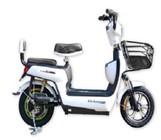
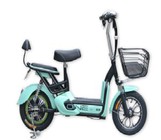
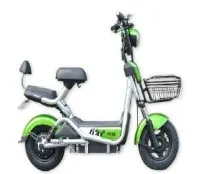
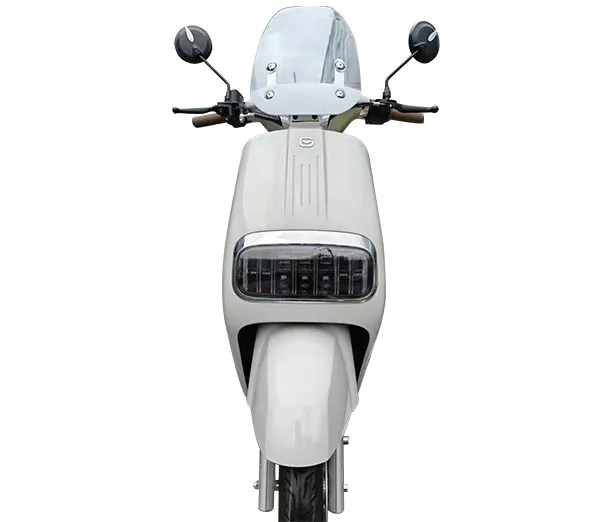
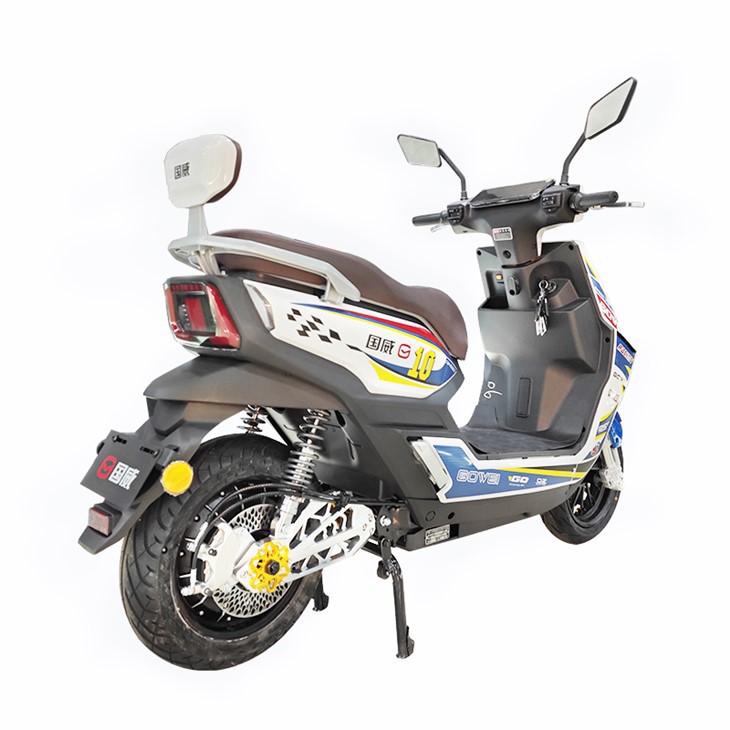
In the transportation industry, e - motors are the heart of electric vehicles, including cars, buses, and trucks. The development of e - motors has enabled the growth of the electric vehicle market, which is expected to continue to expand in the coming years. You can explore some of our electric motorcycle products that utilize advanced e - motors, such as the 2025 New Cheap Price Electric City Motorcycle 1500W 3000W, the Electric Motorcycle For Young People, and the Sport Electric Motorcycle For Man.
In the renewable energy sector, e - motors are used in wind turbines and solar tracking systems. In wind turbines, e - motors are used to adjust the pitch of the blades and to control the rotation of the generator, ensuring optimal energy production. In solar tracking systems, e - motors are used to move the solar panels to follow the sun, increasing the amount of sunlight they receive and improving the efficiency of the solar power generation.
Conclusion
In conclusion, e - motors have great potential in industrial applications. Their high performance, low operating costs, and environmental benefits make them a viable alternative to traditional motors in many industries. While there are still some challenges to overcome, such as the initial cost and environmental impact during the production and disposal phases, the overall trend is positive.
As an e - motor supplier, I am confident that e - motors will play an increasingly important role in the industrial sector in the future. We are committed to providing high - quality e - motors that meet the diverse needs of our industrial customers. If you are interested in exploring the use of e - motors in your industrial applications, I encourage you to contact us for more information and to start a procurement discussion. We can work together to find the best e - motor solutions for your specific requirements.
References
- "Electric Motor Handbook", Second Edition, by Arnold E. Fitzgerald, Charles Kingsley Jr., and Stephen D. Umans.
- "Industrial Electric Motor Control", Fifth Edition, by Timothy H. Heffner.
- Research reports on the development of e - motor technology from industry research institutions.