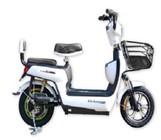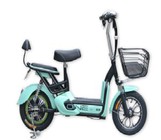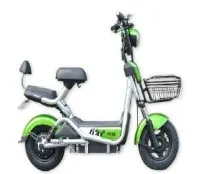

When it comes to the world of tricycles, one question that frequently arises among potential buyers, delivery services, and enthusiasts alike is: "What is the maximum cargo weight a tricycle can carry?" As a tricycle supplier, I've encountered this query numerous times, and in this blog post, I'll delve into the factors that determine a tricycle's cargo - carrying capacity and provide some insights to help you make an informed decision.
Factors Affecting a Tricycle's Cargo - Carrying Capacity
1. Frame Design and Material
The frame of a tricycle is the backbone that supports the entire structure, including the rider and the cargo. Tricycles with a sturdy frame design and high - quality materials can carry more weight. For instance, tricycles made from steel frames are generally more robust and can handle heavier loads compared to those made from aluminum. Steel has a higher tensile strength, which means it can withstand greater stress without deforming.
However, steel frames are also heavier, which can affect the tricycle's overall maneuverability and energy efficiency. On the other hand, aluminum frames are lighter, making the tricycle easier to pedal, but they may have a lower maximum cargo capacity. When designing our tricycles, we carefully balance the need for strength and weight to ensure optimal performance. Our High Quality Tricycle For Adults is engineered with a well - designed frame that offers a good compromise between durability and weight, allowing for a reasonable amount of cargo to be carried.
2. Wheel and Tire Quality
The wheels and tires of a tricycle play a crucial role in determining its cargo - carrying capacity. Larger wheels with wider tires can distribute the weight of the cargo more evenly, reducing the pressure on each point of contact with the ground. This helps to prevent flats and improves the tricycle's stability when carrying heavy loads.
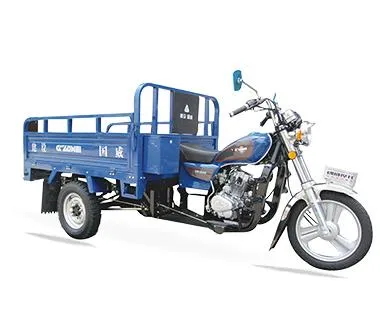
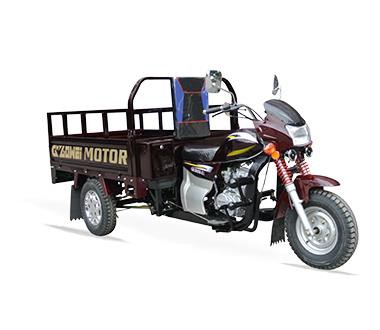
Tires with a high load - rating are also essential. A load - rating indicates the maximum weight that a tire can safely support. When selecting tires for our tricycles, we choose those with a load - rating that is appropriate for the intended use of the tricycle. For example, our Mens Motorised Three Wheel Bike, which is often used for longer trips and may carry additional gear, is equipped with high - load - rating tires to ensure safe and reliable operation.
3. Suspension System
A good suspension system can significantly enhance a tricycle's ability to carry heavy cargo. It helps to absorb shocks and vibrations, providing a smoother ride and reducing the stress on the frame and other components. Tricycles with a well - designed suspension system can better handle uneven terrain and sudden impacts, which is especially important when carrying a large amount of cargo.
Some of our tricycles, such as the Petrol 3 Wheel Motorcycle, feature advanced suspension systems that are specifically designed to handle the additional weight of cargo. These systems not only improve the ride quality but also contribute to the overall safety and longevity of the tricycle.
4. Power Source
The power source of a tricycle can also influence its cargo - carrying capacity. Motorized tricycles, whether powered by petrol or electricity, generally have a higher cargo - carrying capacity compared to manual tricycles. This is because the motor can provide additional power to overcome the resistance caused by the extra weight.
Electric tricycles are becoming increasingly popular for cargo - carrying applications due to their quiet operation, low maintenance requirements, and environmental friendliness. They can be equipped with high - capacity batteries to provide sufficient power for carrying heavy loads over long distances. Petrol - powered tricycles, on the other hand, offer more power and longer range, making them suitable for heavier and more demanding cargo - carrying tasks.
Typical Cargo - Carrying Capacities of Different Tricycles
Manual Tricycles
Manual tricycles, which rely solely on human power, typically have a lower cargo - carrying capacity compared to motorized tricycles. On average, a standard adult manual tricycle can carry between 50 - 100 kilograms (110 - 220 pounds) of cargo. This includes the weight of the rider and any additional items.
However, there are some heavy - duty manual tricycles designed specifically for cargo - carrying purposes that can carry up to 200 kilograms (440 pounds) or more. These tricycles often have reinforced frames, larger wheels, and wider tires to support the extra weight.
Electric Tricycles
Electric tricycles offer a good balance between power and cargo - carrying capacity. Depending on the motor power and battery capacity, an electric tricycle can carry between 100 - 300 kilograms (220 - 660 pounds) of cargo. Smaller electric tricycles, designed for personal use and light - duty cargo tasks, may have a lower capacity, while larger, commercial - grade electric tricycles can handle much heavier loads.
Petrol - Powered Tricycles
Petrol - powered tricycles are known for their high power and heavy - duty capabilities. They can carry the largest amount of cargo among the different types of tricycles. A typical petrol - powered tricycle can carry between 200 - 500 kilograms (440 - 1100 pounds) of cargo, making them ideal for commercial delivery services and other applications that require the transportation of large and heavy items.
Considerations When Carrying Cargo on a Tricycle
When using a tricycle to carry cargo, it's important to keep a few things in mind to ensure safety and optimal performance. First, always distribute the weight evenly across the tricycle. Uneven weight distribution can cause the tricycle to become unstable, increasing the risk of accidents.
Second, make sure that the cargo is properly secured. Loose or shifting cargo can also affect the tricycle's stability and may cause damage to the tricycle or the cargo itself. Use straps, bungee cords, or other securing devices to keep the cargo in place.
Finally, be aware of the tricycle's limitations. Do not exceed the maximum cargo - carrying capacity specified by the manufacturer. Overloading a tricycle can put excessive stress on the frame, wheels, and other components, leading to premature wear and potential safety hazards.
Conclusion
In conclusion, the maximum cargo weight a tricycle can carry depends on several factors, including the frame design and material, wheel and tire quality, suspension system, and power source. As a tricycle supplier, we offer a wide range of tricycles to meet different cargo - carrying needs. Whether you're looking for a manual tricycle for light - duty tasks, an electric tricycle for personal use and small - scale deliveries, or a petrol - powered tricycle for heavy - duty commercial applications, we have the right solution for you.
If you're interested in purchasing a tricycle for cargo - carrying purposes, we encourage you to contact us for more information. Our team of experts can help you select the tricycle that best suits your requirements and provide you with all the necessary details about its cargo - carrying capacity and other features. Let's start a conversation about your tricycle needs and find the perfect solution together.
References
- "Bicycle and Tricycle Design: An Introduction" by D. Gordon Wilson
- "The Handbook of Bicycle and Motorcycle Dynamics: Modeling and Simulation for Design and Analysis" by Roberto Cossalter