
What is the lifespan of an e - bike battery?
As a seasoned e - bikes supplier, I've received countless inquiries about the lifespan of e - bike batteries. It's a crucial question for both new and existing e - bike owners, as the battery is not only a significant investment but also the heart of the e - bike, determining its range and performance. In this blog, I'll delve into the factors that affect the lifespan of an e - bike battery, how to estimate it, and tips on extending its longevity.
Factors Affecting the Lifespan of an E - bike Battery
Battery Chemistry
The type of battery chemistry used in an e - bike plays a fundamental role in its lifespan. The most common types are Lithium - Ion (Li - Ion), Lead - Acid, and Nickel - Metal Hydride (NiMH).
Li - Ion batteries are the most popular choice for modern e - bikes due to their high energy density, low self - discharge rate, and long lifespan. They can typically endure between 500 to 1000 charge cycles. A charge cycle is defined as using up all of the battery's capacity and then recharging it fully. For instance, if you use half of the battery's capacity and then recharge it, it counts as half a charge cycle.
Lead - Acid batteries, on the other hand, are cheaper but have a shorter lifespan. They usually last for about 300 to 500 charge cycles. They are heavier and less efficient than Li - Ion batteries, but they can be a cost - effective option for some budget - conscious consumers.
NiMH batteries fall somewhere in between Li - Ion and Lead - Acid in terms of lifespan and performance. They can last for around 500 charge cycles and are less common in e - bikes compared to Li - Ion batteries.
Usage Patterns
How you use your e - bike also has a significant impact on the battery lifespan. Frequent deep discharges, where you drain the battery almost completely before recharging, can shorten its life. Lithium - Ion batteries, in particular, prefer shallow discharges. It's better to recharge the battery when it reaches 20 - 30% capacity rather than waiting until it's completely empty.
The frequency of use matters as well. If you use your e - bike daily for long distances, the battery will go through more charge cycles, potentially reducing its lifespan. Conversely, if you only use it occasionally, the battery may last longer.
Charging Habits
Improper charging can damage the battery and reduce its lifespan. Overcharging, which occurs when the battery is left on the charger for an extended period after it's fully charged, can cause overheating and degrade the battery cells. Undercharging, on the other hand, can lead to sulfation in Lead - Acid batteries and capacity loss in Li - Ion batteries.
It's important to use the charger that comes with your e - bike or a compatible one. Using an incorrect charger can supply the wrong voltage or current, which can harm the battery.
Environmental Conditions
Extreme temperatures can have a detrimental effect on the battery. High temperatures can accelerate the chemical reactions inside the battery, leading to faster degradation. On the other hand, cold temperatures can reduce the battery's capacity and make it less efficient.
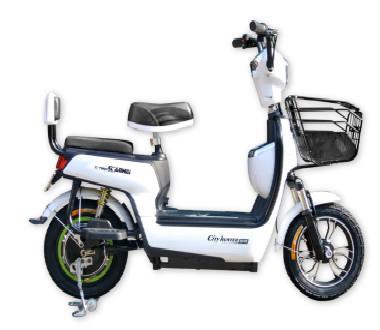
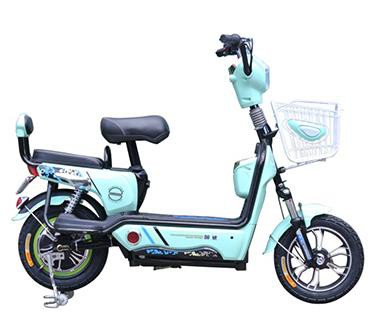
For example, if you leave your e - bike in direct sunlight or a hot garage for an extended period, the battery may overheat. Similarly, riding in very cold weather without proper insulation can cause the battery to perform poorly.
Estimating the Lifespan of an E - bike Battery
To estimate the lifespan of your e - bike battery, you first need to know its battery chemistry. As mentioned earlier, Li - Ion batteries can last for 500 to 1000 charge cycles, Lead - Acid for 300 to 500 charge cycles, and NiMH for around 500 charge cycles.
Let's assume you have a Li - Ion battery with a capacity of 500 charge cycles. If you use your e - bike regularly and completely discharge and recharge the battery once a week, it will last for approximately 500 weeks or about 9.6 years. However, in reality, most people don't fully discharge the battery every time, so the actual lifespan may be longer.
Another way to estimate the lifespan is based on the number of miles or kilometers you can expect to ride on a single charge. If your e - bike can travel 20 miles on a full charge and the battery is rated for 500 charge cycles, you can expect to travel 10,000 miles before the battery needs to be replaced.
Tips for Extending the Lifespan of an E - bike Battery
Shallow Discharges
As mentioned earlier, try to avoid deep discharges. Recharge the battery when it reaches 20 - 30% capacity. This will help preserve the battery cells and extend its lifespan.
Proper Charging
Use the correct charger and avoid overcharging. Unplug the battery from the charger once it's fully charged. If you're going to store the battery for an extended period, charge it to about 50% capacity and store it in a cool, dry place.
Temperature Management
Keep your e - bike and battery away from extreme temperatures. If it's very hot outside, park your e - bike in the shade. In cold weather, consider using a battery insulation cover to keep the battery warm.
Regular Maintenance
Inspect the battery regularly for any signs of damage or wear. Clean the battery terminals to ensure good electrical contact. If you notice any issues, such as a significant decrease in range or charging time, consult a professional.
Our E - bike Offerings
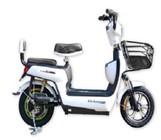
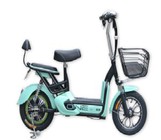
At our company, we offer a wide range of e - bikes with high - quality batteries. Our Cute Electric Mini Electric bike is perfect for urban commuting. It comes with a long - lasting Li - Ion battery that can provide a decent range on a single charge.
If you're looking for a more robust option, our Aluminum Electric Bicycles are a great choice. They are built with durable frames and high - performance batteries, ensuring a smooth and reliable ride.
We also have Gas Powered Mopeds for those who prefer a hybrid option. These mopeds combine the convenience of an e - bike with the power of a gas engine.
Conclusion
The lifespan of an e - bike battery depends on various factors, including battery chemistry, usage patterns, charging habits, and environmental conditions. By understanding these factors and following the tips mentioned above, you can extend the lifespan of your e - bike battery and get the most out of your investment.
If you're interested in purchasing an e - bike or have any questions about our products, feel free to contact us for a detailed discussion on procurement. We're here to help you find the perfect e - bike that meets your needs and budget.
References
- Battery University. "How to Prolong Lithium - based Batteries."
- Electric Bike Report. "Understanding E - bike Battery Lifespan."
- Bicycling Magazine. "How to Extend the Life of Your E - bike Battery."