
Hysteresis loss is a critical concept in the realm of electric motors (e-motors), and as an e-motor supplier, understanding and addressing it is essential for delivering high-quality products. In this blog post, we'll delve into what hysteresis loss is, its implications for e-motors, and how we, as a supplier, manage it to provide optimal performance.
What is Hysteresis Loss?
To understand hysteresis loss, we first need to grasp the concept of magnetic hysteresis. When a magnetic material, such as the iron core in an e-motor, is subjected to a changing magnetic field, its magnetization does not follow the same path during the increasing and decreasing phases of the magnetic field. This phenomenon is known as magnetic hysteresis.
The hysteresis loop represents the relationship between the magnetic field strength (H) and the magnetic flux density (B) in a magnetic material. As the magnetic field changes, the magnetic domains within the material realign. During this process, energy is dissipated in the form of heat. This energy loss is what we refer to as hysteresis loss.
Mathematically, hysteresis loss (Ph) can be calculated using Steinmetz's formula:
Ph = Kh * f * Bm^n * V
Where:
- Kh is the Steinmetz hysteresis coefficient, which is a material - specific constant.
- f is the frequency of the alternating magnetic field.
- Bm is the maximum magnetic flux density.
- n is the Steinmetz exponent, typically ranging from 1.5 to 2.5 depending on the material.
- V is the volume of the magnetic material.
Implications of Hysteresis Loss in E - Motors
In an e - motor, hysteresis loss has several significant implications:
Efficiency Reduction
Hysteresis loss directly contributes to the overall power loss in an e - motor. As energy is dissipated as heat, less electrical energy is converted into mechanical energy. This means that the motor has to draw more power from the source to achieve the same level of mechanical output, reducing its efficiency. For example, in an electric vehicle powered by an e - motor with high hysteresis loss, the battery will drain faster, resulting in a shorter driving range.
Heat Generation
The heat generated due to hysteresis loss can raise the temperature of the motor. Excessive heat can damage the insulation of the motor windings, reduce the magnetic properties of the core material, and even lead to premature motor failure. High temperatures also require additional cooling mechanisms, which add to the cost and complexity of the motor design.
Performance Degradation
Hysteresis loss can cause fluctuations in the magnetic field within the motor, leading to torque ripple and vibration. These issues can affect the smooth operation of the motor, reduce its precision, and cause noise. In applications where precise control and smooth operation are crucial, such as in robotics or high - end industrial machinery, hysteresis loss can have a significant impact on performance.
How We, as an E - Motor Supplier, Manage Hysteresis Loss
As an e - motor supplier, we take several steps to manage hysteresis loss and ensure the optimal performance of our motors:
Material Selection
We carefully choose the magnetic core materials for our e - motors. Materials with low hysteresis coefficients, such as high - grade electrical steels, are preferred. These materials have a narrow hysteresis loop, which means less energy is dissipated during the magnetization and demagnetization process. For example, grain - oriented electrical steel has excellent magnetic properties and low hysteresis loss, making it suitable for high - efficiency e - motors.
Design Optimization
Our design team focuses on optimizing the motor's magnetic circuit to reduce the maximum magnetic flux density (Bm). By carefully shaping the core and windings, we can distribute the magnetic field more evenly, minimizing the areas of high flux density. This not only reduces hysteresis loss but also improves the overall efficiency of the motor.
Frequency Control
We also pay attention to the operating frequency of the motor. Since hysteresis loss is directly proportional to the frequency (f) according to Steinmetz's formula, we design our motors to operate at the most suitable frequency for the application. In some cases, we use variable frequency drives (VFDs) to adjust the frequency based on the load requirements, further reducing hysteresis loss.
Applications of Our E - Motors with Low Hysteresis Loss
Our e - motors with low hysteresis loss are suitable for a wide range of applications:
Electric Vehicles
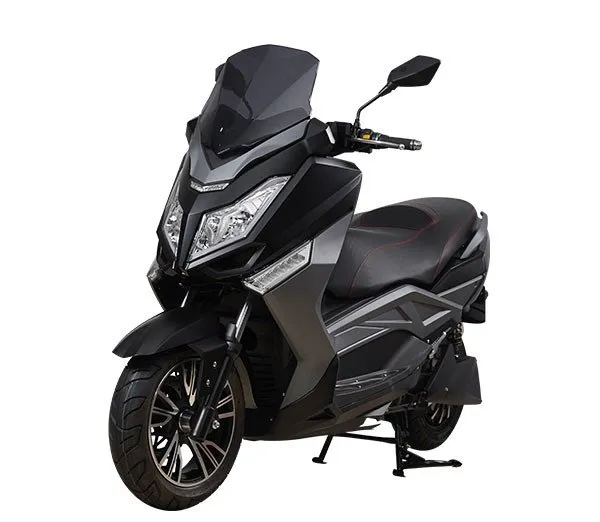
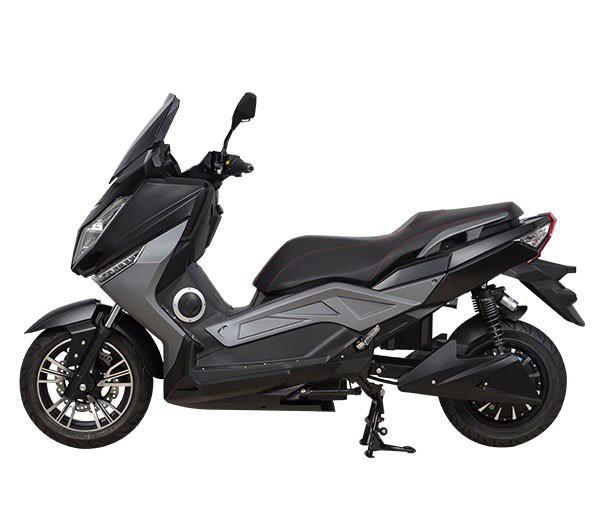
In electric vehicles, our motors can significantly improve the energy efficiency, extending the driving range. Whether it's a Electric Powered Motorbike, a Big Electric Motorcycle, or an Adult Powerful Electric Motorcycle, our motors provide a smooth and efficient driving experience.
Industrial Automation
In industrial automation, our motors are used in robots, conveyor systems, and other machinery. The low hysteresis loss ensures precise control, smooth operation, and reduced maintenance costs.
Renewable Energy Systems
In wind turbines and solar tracking systems, our e - motors help convert renewable energy into electrical energy more efficiently. The reduced hysteresis loss means more power can be generated from the same amount of input energy.
Contact Us for E - Motor Procurement
If you are in the market for high - quality e - motors with low hysteresis loss, we are here to help. Our team of experts can provide you with detailed information about our products, technical support, and customized solutions to meet your specific requirements. Whether you are an electric vehicle manufacturer, an industrial automation company, or a renewable energy developer, we can offer the right e - motor for your application. Contact us today to start a procurement discussion and take advantage of our advanced e - motor technology.
References
- Chapman, S. J. (2012). Electric Machinery Fundamentals. McGraw - Hill Education.
- Fitzgerald, A. E., Kingsley, C., & Umans, S. D. (2003). Electric Machinery. McGraw - Hill Education.