
What are the environmental impacts of motorcycles?
As a motorcycle supplier, I've spent a great deal of time thinking about the environmental impacts of the products I offer. Motorcycles have long been a symbol of freedom and adventure, but they also come with a set of environmental consequences that we can't ignore. In this blog, I'll explore the various environmental impacts of motorcycles and discuss how we can work towards more sustainable solutions.
Air Pollution
One of the most significant environmental impacts of motorcycles is air pollution. Traditional gasoline-powered motorcycles emit a variety of pollutants, including carbon monoxide (CO), hydrocarbons (HC), nitrogen oxides (NOx), and particulate matter (PM). These pollutants can have serious health effects on humans, such as respiratory problems, heart disease, and cancer. They also contribute to environmental issues like smog, acid rain, and climate change.
Compared to cars, motorcycles generally have smaller engines and lower fuel consumption. However, they often emit higher levels of pollutants per unit of distance traveled. This is because motorcycles typically have less advanced emission control systems and are more likely to be ridden in stop-and-go traffic, which can increase emissions.
To address this issue, many motorcycle manufacturers are now developing more fuel-efficient and low-emission engines. For example, some motorcycles are equipped with catalytic converters, which help to reduce harmful emissions by converting pollutants into less harmful substances. Additionally, advancements in engine technology, such as direct injection and variable valve timing, are improving fuel efficiency and reducing emissions.
Noise Pollution
Another environmental impact of motorcycles is noise pollution. The loud engines of motorcycles can be a nuisance to both riders and non-riders, and they can also have negative effects on wildlife and the environment. Noise pollution can disrupt the natural behavior of animals, interfere with communication, and cause stress and hearing damage.
Motorcycle noise is regulated in many countries, and manufacturers are required to meet certain noise standards. However, some riders may modify their motorcycles to make them louder, which can contribute to noise pollution. To reduce noise pollution, riders can choose motorcycles with quieter engines and avoid excessive revving and speeding. Additionally, municipalities can implement noise control measures, such as noise barriers and speed limits, to reduce the impact of motorcycle noise on communities.
Resource Consumption
Motorcycles also consume a significant amount of resources during their production, use, and disposal. The manufacturing process of motorcycles requires the extraction and processing of raw materials, such as steel, aluminum, and plastic. These materials are often non-renewable, and their extraction and processing can have environmental impacts, such as deforestation, water pollution, and habitat destruction.
During their use, motorcycles consume fuel, which is a finite resource. The burning of fossil fuels also contributes to air pollution and climate change. Additionally, motorcycles require regular maintenance and replacement of parts, which can also consume resources.
At the end of their life cycle, motorcycles need to be disposed of properly. Improper disposal of motorcycles can lead to environmental pollution, as they may contain hazardous materials, such as lead, mercury, and asbestos. To reduce resource consumption and environmental impact, motorcycle manufacturers can use more sustainable materials and manufacturing processes. For example, some manufacturers are using recycled materials in the production of motorcycles, and others are developing more energy-efficient manufacturing techniques.
Sustainable Solutions
As a motorcycle supplier, I'm committed to promoting sustainable solutions in the motorcycle industry. One of the most promising solutions is the development and promotion of electric motorcycles. Electric motorcycles offer several environmental benefits compared to traditional gasoline-powered motorcycles.
First, electric motorcycles produce zero tailpipe emissions, which means they don't contribute to air pollution. This is particularly important in urban areas, where air quality is often a major concern. Second, electric motorcycles are more energy-efficient than gasoline-powered motorcycles. They convert a higher percentage of the energy stored in their batteries into motion, which means they require less energy to travel the same distance. Third, electric motorcycles are quieter than gasoline-powered motorcycles, which can help to reduce noise pollution.
In addition to electric motorcycles, there are other sustainable solutions that can be adopted in the motorcycle industry. For example, riders can choose to use public transportation, carpooling, or cycling for short trips instead of using their motorcycles. This can help to reduce traffic congestion, air pollution, and resource consumption. Additionally, motorcycle manufacturers can promote the use of sustainable practices, such as recycling and waste reduction, in their production processes.
Our Product Offerings
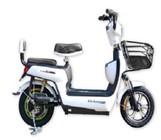
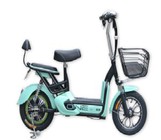
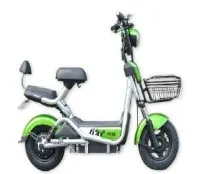
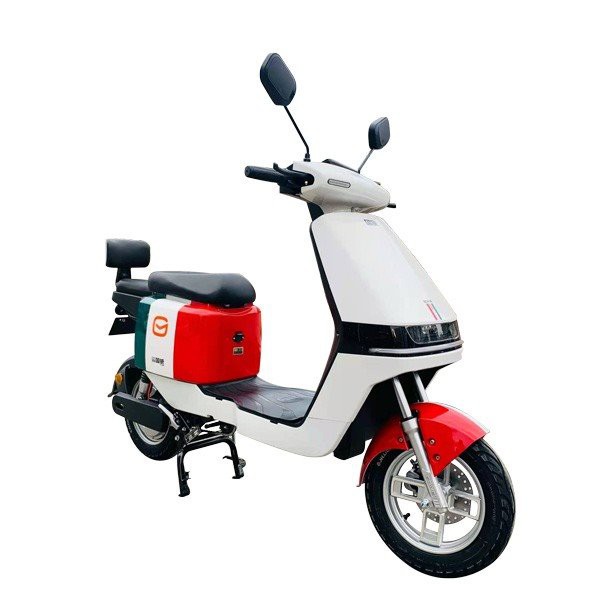
At our company, we offer a range of electric motorcycles that are designed to be environmentally friendly and sustainable. Our Electric Bike For Young People is a stylish and affordable option for young riders who are looking for a fun and eco-friendly way to get around. It features a lightweight design, a powerful electric motor, and a long-lasting battery.
We also offer Aluminum Electric Bicycles, which are made from lightweight and durable aluminum. These bicycles are not only energy-efficient but also easy to handle and maintain. They are a great option for commuting, running errands, or just enjoying a leisurely ride.
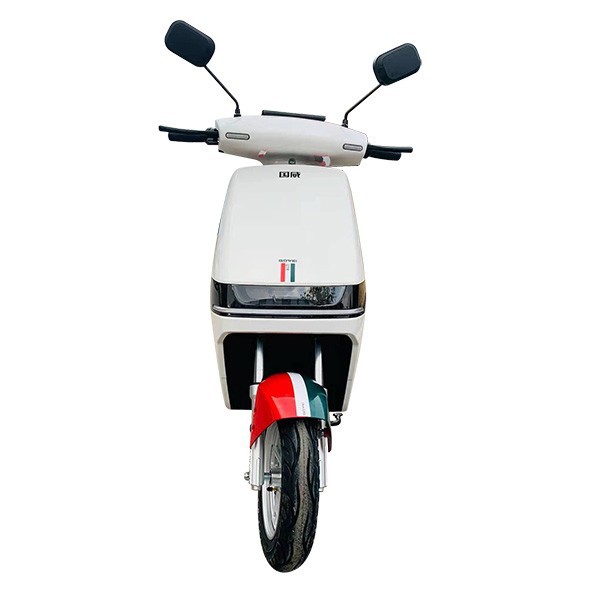
For those who are looking for a high-performance electric motorcycle, we recommend our Lithium Electric Bike High - Grade Electric Bicycle. This motorcycle is equipped with a powerful lithium-ion battery, which provides a long range and fast charging time. It also features advanced technology and a sleek design, making it a popular choice among riders.
Conclusion
In conclusion, motorcycles have both positive and negative environmental impacts. While they offer a sense of freedom and adventure, they also contribute to air pollution, noise pollution, and resource consumption. However, with the development of more fuel-efficient and low-emission engines, as well as the promotion of sustainable solutions, such as electric motorcycles, we can reduce the environmental impact of motorcycles and make them a more sustainable mode of transportation.
If you're interested in learning more about our electric motorcycles or would like to discuss purchasing options, please feel free to contact us. We're always happy to help and look forward to working with you to find the perfect motorcycle for your needs.
References
- "Environmental Impact of Motorcycles." World Health Organization.
- "Noise Pollution and Its Effects on Wildlife." National Geographic.
- "Sustainable Manufacturing in the Motorcycle Industry." Journal of Cleaner Production.