
Learning to ride a motorbike is a journey that combines excitement, skill - building, and a sense of freedom. As a motorbike supplier, I've had the privilege of witnessing countless individuals take their first steps into the world of motorcycling. In this blog, I'll explore whether it's difficult to learn to ride a motorbike, drawing on my experiences and insights from the industry.
Initial Hurdles: Understanding the Basics
The first encounter with a motorbike can be intimidating. Unlike cars, motorbikes lack the stability provided by four wheels, and the controls are more complex. The clutch, throttle, brakes, and gear shifter all need to be coordinated in a seamless dance. For someone new to the concept, this can seem like a daunting task.
The clutch, for instance, is a critical component that requires finesse. Releasing it too quickly can cause the bike to stall, while engaging it too slowly can lead to excessive wear on the clutch plates. Learning the right balance takes time and practice. Similarly, the throttle controls the speed of the bike, and mastering its smooth operation is essential for a comfortable and safe ride.
The braking system on a motorbike is also different from that of a car. Most motorbikes have separate brakes for the front and rear wheels, and knowing when and how to use them effectively is crucial. Over - braking on the front wheel can cause the bike to flip forward, while relying too much on the rear brake can lead to skidding.
Physical and Mental Demands
Riding a motorbike demands a certain level of physical fitness and mental focus. Unlike sitting in a car, where the body is mostly stationary, riding a motorbike requires the rider to maintain balance and control. This means using the core muscles to stay upright and making constant adjustments to the body position to navigate turns and uneven surfaces.
Mental focus is equally important. Riders need to be constantly aware of their surroundings, anticipate potential hazards, and make split - second decisions. Distractions can be deadly on a motorbike, so learning to stay focused and alert is a key part of the learning process.
Learning Environment and Instruction
The learning environment and the quality of instruction can significantly impact the difficulty of learning to ride a motorbike. A good instructor can break down the complex tasks into manageable steps, provide clear explanations, and offer constructive feedback. They can also create a safe and supportive learning environment where beginners can gain confidence at their own pace.
On the other hand, a poor instructor or a chaotic learning environment can make the learning process more difficult. For example, if the instructor is impatient or uses confusing teaching methods, beginners may become frustrated and lose motivation.
Many motorbike suppliers, like us, offer training courses for beginners. These courses are designed to provide a structured and comprehensive learning experience. They typically start with classroom instruction to cover the basics of motorbike operation, safety rules, and traffic laws. This is followed by practical training on a closed course, where beginners can practice their skills in a controlled environment before taking to the open road.
Types of Motorbikes
The type of motorbike you choose to learn on can also affect the difficulty level. Some motorbikes are more beginner - friendly than others. For example, smaller, lightweight motorbikes are generally easier to handle and maneuver, making them a good choice for beginners.
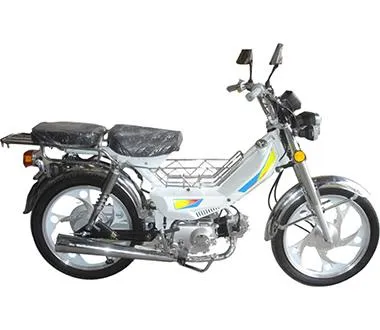
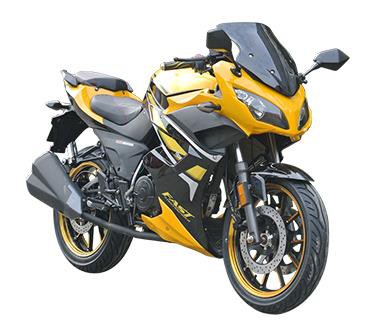
If you're interested in different types of motorbikes, you can check out our Sport Street Motorcycles, Best Electric Hybrid Motorcycle, and Cool Sport Motorcycles Best Cheap Dual Sport Motorcycle options. These bikes offer a range of features and performance levels to suit different needs and preferences.
Overcoming the Challenges
Despite the challenges, learning to ride a motorbike is definitely achievable with patience, practice, and the right approach. Here are some tips to help you overcome the difficulties:
- Start Small: As mentioned earlier, start with a small, lightweight motorbike. This will make it easier to handle and give you more confidence as you learn.
- Take a Training Course: Enroll in a professional training course. It will provide you with the necessary skills and knowledge in a structured way.
- Practice Regularly: Consistent practice is key. Set aside some time each week to practice your riding skills, both on a closed course and on the open road.
- Learn from Experience: Every ride is an opportunity to learn. Analyze your mistakes, learn from them, and gradually improve your skills.
The Rewards of Learning to Ride
Once you've overcome the initial difficulties and mastered the art of riding a motorbike, the rewards are immense. The sense of freedom and adventure that comes with riding a motorbike is unparalleled. You can explore new places, feel the wind in your face, and experience the thrill of the open road.
Riding a motorbike also offers a unique sense of community. There are countless motorbike clubs and events around the world, where riders can connect with like - minded individuals, share their experiences, and participate in group rides.
Conclusion
So, is it difficult to learn to ride a motorbike? The answer is yes, it can be. There are certainly challenges to overcome, from understanding the complex controls to developing the physical and mental skills required for safe riding. However, with the right approach, a good instructor, and plenty of practice, learning to ride a motorbike can be a rewarding and achievable goal.
If you're interested in purchasing a motorbike or learning more about our products, we'd love to hear from you. Whether you're a beginner looking for an easy - to - handle bike or an experienced rider in search of a high - performance machine, we have a wide range of options to meet your needs. Contact us to start your motorbike journey today.
References
- Motorcycle Safety Foundation. "Motorcycle RiderCourse Instructor Manual."
- Harris, David. "The Complete Idiot's Guide to Motorcycling." Alpha Books, 2005.
- Pashley, Peter. "Motorcycle Handling and Chassis Design: The Art and Science." MBI Publishing Company, 2005.