
Hey there! As an e-motor supplier, I often get asked about how to select the right contactor for an e-motor. It's a crucial decision that can greatly impact the performance and safety of your electric motor system. So, let's dive right in and break it down step by step.
First off, let's understand what a contactor is. In simple terms, a contactor is an electrically controlled switch. It's used to connect and disconnect the power supply to the e-motor. When the contactor is closed, power flows to the motor, and when it's open, the power is cut off. This simple yet important function makes it a key component in any e-motor setup.
Now, the first thing you need to consider when selecting a contactor is the voltage rating. The voltage rating of the contactor must match the voltage of your e-motor. If the voltage rating of the contactor is too low, it can lead to overheating and even failure of the contactor. On the other hand, if it's too high, you're just wasting money on a more expensive component than you need. For example, if your e-motor operates at 48 volts, you'll want to choose a contactor with a voltage rating of at least 48 volts.
Next up is the current rating. The current rating of the contactor determines how much current it can safely handle. You need to know the maximum current that your e-motor will draw under normal operating conditions. This information is usually provided by the motor manufacturer. Make sure to choose a contactor with a current rating that is higher than the maximum current of your e-motor. This gives you a safety margin and ensures that the contactor won't overheat or fail due to excessive current.
Another important factor to consider is the type of load. E-motors can have different types of loads, such as resistive, inductive, or capacitive. Inductive loads, like e-motors, can cause a high inrush current when the motor starts. This inrush current can be several times higher than the normal operating current. So, when selecting a contactor for an e-motor, you need to choose one that can handle this high inrush current. Some contactors are specifically designed for inductive loads and have features that help them withstand the high inrush current.
The operating frequency is also something to keep in mind. How often will the contactor be turned on and off? If your e-motor is used in an application where it needs to start and stop frequently, you'll need a contactor with a high operating frequency rating. Contactors with a low operating frequency rating may wear out quickly if they are used in high-frequency applications.
The environmental conditions where the contactor will be installed are also crucial. If the contactor will be exposed to high temperatures, humidity, dust, or corrosive substances, you need to choose a contactor that is designed to withstand these conditions. There are contactors available with special enclosures and coatings that provide protection against harsh environments.
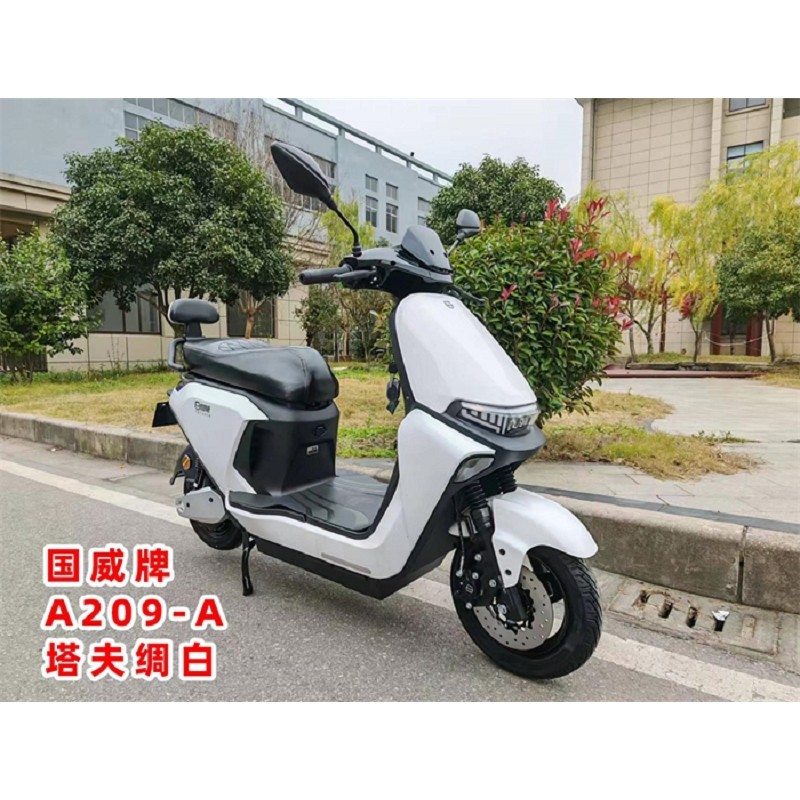
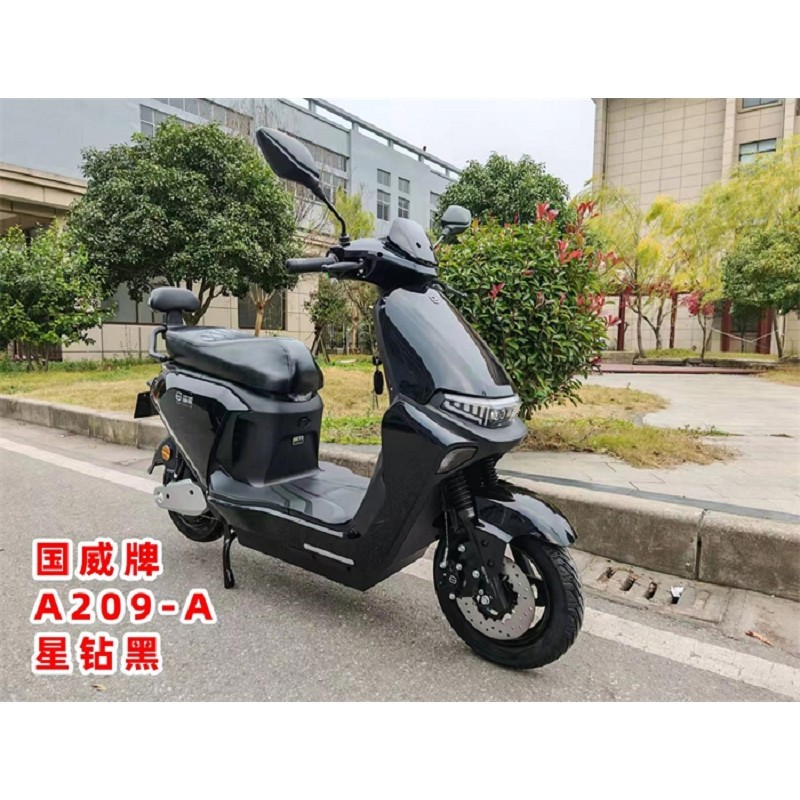
Now, let's talk about some specific applications. If you're using an e-motor in an Electric Powered Motorbike, the contactor needs to be reliable and compact. You'll also want to consider the vibration and shock resistance of the contactor, as motorbikes can experience a lot of vibrations and shocks during operation.
For those looking at an The Best Automatic Electric Motorcycle, the contactor should be able to handle the automatic start and stop functions smoothly. It should also be able to work in conjunction with the motorcycle's control system to ensure efficient operation.
If you're using an e-motor for a Range And Powerful Electric Motorcycle For City Life, the contactor needs to be able to handle the high power requirements of the motor while also being energy-efficient. This helps to extend the range of the motorcycle.
In addition to these technical considerations, you also need to think about the quality and reliability of the contactor. It's always a good idea to choose a contactor from a reputable manufacturer. Look for contactors that have been tested and certified to meet industry standards. You can also check online reviews and ask for recommendations from other e-motor users.
When it comes to installation, make sure to follow the manufacturer's instructions carefully. Incorrect installation can lead to problems such as poor contact, overheating, and even electrical shorts. If you're not confident in your installation skills, it's best to hire a professional electrician.
Once the contactor is installed, it's important to perform regular maintenance. Check the contactor for signs of wear and tear, such as burned contacts or loose connections. Clean the contacts regularly to ensure good electrical conductivity. If you notice any problems, replace the contactor as soon as possible to avoid further damage to your e-motor.
In conclusion, selecting the right contactor for an e-motor is a process that requires careful consideration of several factors. By taking the time to understand your e-motor's requirements and choosing a contactor that meets those requirements, you can ensure the reliable and efficient operation of your e-motor system.
If you're in the market for an e-motor or need help selecting the right contactor, don't hesitate to reach out. We're here to assist you in making the best choice for your specific needs. Whether you're a hobbyist building your own electric vehicle or a professional in the industry, we've got the expertise and products to support you.
References:
- Electrical Engineering Handbook, various editions
- Manufacturer's specifications for e-motors and contactors
So, if you're interested in discussing your e-motor and contactor needs further, just drop us a line. We're eager to start a conversation and help you find the perfect solutions for your projects.