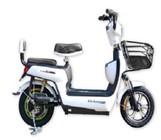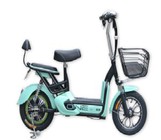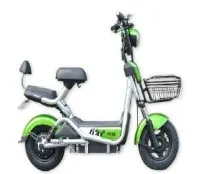

Balancing on a scooter is not only a skill that enhances your riding experience but also a crucial aspect of ensuring safety. As a dedicated scooters supplier, I've witnessed firsthand the transformation that comes with mastering this skill. In this blog, I'll share some in - depth tips on how to balance on a scooter effectively.
Understanding the Basics of Scooter Balance
Before we dive into the practical tips, it's essential to understand the basic principles of balance on a scooter. The center of gravity plays a pivotal role. When you're on a scooter, your body's center of gravity needs to be properly aligned with the scooter's center of balance. This alignment is what keeps you stable and prevents you from toppling over.
Most scooters are designed with a low center of gravity to enhance stability. However, factors such as your body position, speed, and the terrain you're riding on can all affect this balance. For instance, if you lean too far forward or backward, you'll disrupt the balance and increase the risk of an accident.
Pre - ride Preparations for Better Balance
- Properly Adjust Your Scooter
- Ensure that the handlebars are at a comfortable height. If they're too high or too low, it can throw off your balance and make it difficult to control the scooter. You should be able to hold the handlebars with your elbows slightly bent.
- Check the tire pressure. Under - inflated tires can make the scooter feel unstable and more difficult to balance. Refer to the manufacturer's guidelines for the correct tire pressure.
- Wear Appropriate Safety Gear
- A helmet is a must. It not only protects your head in case of an accident but also gives you the confidence to focus on balancing.
- Knee and elbow pads can also be beneficial. They provide an extra layer of protection and can make you feel more secure, especially when you're learning to balance.
Mastering the Art of Standing on the Scooter
- Position Your Feet Correctly
- Place one foot on the scooter's deck, usually the foot you're more comfortable with. Keep your foot centered and parallel to the deck. This will provide a stable base.
- Slowly bring your other foot onto the deck. Try to keep your feet shoulder - width apart. This stance helps distribute your weight evenly and gives you better control over the scooter.
- Maintain a Relaxed Posture
- Stand up straight but not rigid. Keep your shoulders relaxed and your back slightly arched. Tensing up can make it harder to balance as it restricts your body's natural ability to adjust to changes in movement.
- Bend your knees slightly. This allows you to absorb shocks from the road and makes it easier to shift your weight when needed.
Starting and Stopping for Balance
- Starting the Scooter
- If you're using a kick - start scooter, use your standing foot to push off the ground. Push firmly and smoothly to gain momentum. As you start moving, quickly bring your pushing foot back onto the deck.
- For electric scooters, gently press the throttle. Start with a slow speed to get used to the movement and the feeling of balance.
- Stopping the Scooter
- When it's time to stop, use the brakes gradually. Sudden braking can cause the scooter to skid or tip over, especially if you're going at a high speed.
- As you slow down, prepare to put your feet on the ground. Place one foot on the ground first, followed by the other, to maintain balance as you come to a complete stop.
Riding Techniques for Balance
- Turning
- When making a turn, lean your body in the direction of the turn. This helps counteract the centrifugal force that tries to pull you out of the turn. For example, if you're turning left, lean your upper body to the left.
- Use the handlebars to steer gently. Avoid making sharp or sudden turns, as they can disrupt your balance.
- Riding on Different Terrains
- Flat Surfaces: On flat ground, it's relatively easier to balance. Keep your speed consistent and your body relaxed. You can practice small movements, like shifting your weight slightly from side to side, to get a better feel for how the scooter responds.
- Uphill: When going uphill, you'll need to lean forward slightly to keep the front wheel on the ground. Push harder on the pedals (if it's a pedal - powered scooter) or increase the throttle (for electric scooters) to maintain your speed.
- Downhill: Going downhill requires extra caution. Lean backward to keep the front wheel from lifting off the ground. Use the brakes sparingly to control your speed without losing balance.
Dealing with Obstacles
- Small Obstacles
- When you encounter small bumps or cracks on the road, try to roll over them smoothly. Keep your knees bent to absorb the shock.
- If possible, slightly shift your weight to the back wheel as you go over the obstacle. This can prevent the front wheel from getting stuck or bouncing too much.
- Large Obstacles
- For larger obstacles like potholes or curbs, it's often best to avoid them if you can. If you can't avoid them, slow down significantly before approaching.
- If you need to go over a large obstacle, stand up on the deck and use your legs to spring up as you hit it. This can help you clear the obstacle without losing balance.
Practicing for Improvement
- Find a Safe Place to Practice
- Look for an empty parking lot or a quiet street with little traffic. These areas provide a safe environment for you to practice balancing without the risk of colliding with other vehicles or pedestrians.
- Start with short rides and gradually increase the distance and complexity of your routes as you gain more confidence.
- Learn from Experience
- Every time you ride, pay attention to how your body feels and how the scooter responds. Analyze what went well and what didn't. If you lose your balance, think about what caused it and how you can avoid it in the future.
Our Scooters and Balance
At our company, we understand the importance of balance when it comes to scooters. That's why we offer a wide range of high - quality scooters designed with balance in mind.
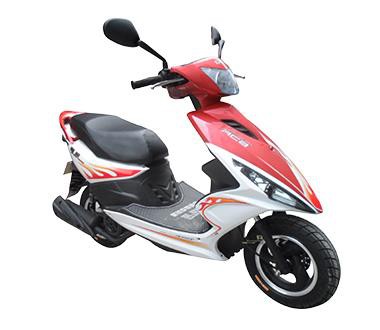
Our Water Cool Power Mobility Scooter Pedal Motorcycles are equipped with advanced features that enhance stability. The low - lying design helps keep the center of gravity low, making it easier for riders to maintain balance, whether they're cruising on a flat road or navigating through uneven terrain.
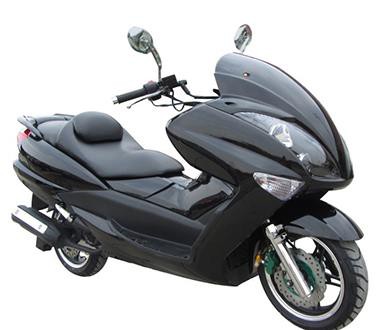
The Classic Street Legal Motor Scooters are known for their smooth handling. They have well - balanced frames and responsive steering, allowing riders to make turns with ease and confidence.
If you're an adventure - seeker, our Retro Moto Off Road Scooter is a great choice. It's built to handle rough off - road conditions while still providing excellent balance. The wide tires and sturdy suspension system help absorb shocks and keep the scooter stable on bumpy trails.
Contact Us for Your Scooter Needs
If you're interested in purchasing a scooter or have any questions about balancing or our products, we'd love to hear from you. Our team of experts is ready to assist you in finding the perfect scooter that suits your needs and helps you master the art of balance. Whether you're a beginner looking to learn or an experienced rider seeking an upgrade, we have the right scooter for you.
References
- "The Complete Guide to Scooter Riding" - A comprehensive guidebook on scooter safety and riding techniques.
- "Scooter Design and Engineering" - A technical book that explains the principles behind scooter balance and stability.