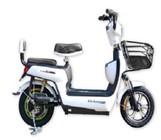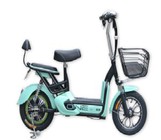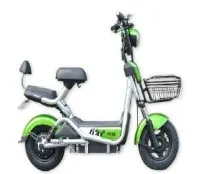

As an e-bicycle supplier deeply entrenched in the industry, I've witnessed firsthand the surging popularity of electric bicycles. One question that frequently arises among potential buyers is, "How far can an e-bicycle travel on a single charge?" This seemingly simple query has a complex answer influenced by multiple factors. In this blog, I'll delve into these elements to provide you with a comprehensive understanding of e-bicycle range.
Battery Capacity: The Foundation of Range
The battery is the heart of an e-bicycle, and its capacity plays a pivotal role in determining how far the bike can go. Measured in watt - hours (Wh), a higher capacity battery generally means more energy storage and, consequently, a longer range. For instance, a typical e-bicycle battery might have a capacity of 300 - 500 Wh, which can power the bike for 20 - 50 miles on a single charge. However, our Lithium Foldable Bicycle comes equipped with a high - capacity lithium battery that can offer an extended range, making it suitable for longer commutes or weekend adventures.
Lithium batteries are favored in the e - bicycle industry due to their high energy density, long lifespan, and relatively light weight. They can store more energy per unit of weight compared to other battery types, such as lead - acid batteries. This not only contributes to a longer range but also makes the e - bicycle more maneuverable.
Motor Power and Efficiency
The motor is another crucial component that affects an e - bicycle's range. A more powerful motor can provide greater acceleration and hill - climbing ability, but it also consumes more energy. If you frequently ride on hilly terrain or need to accelerate quickly, a high - power motor might be necessary, but you'll likely experience a shorter range.
On the other hand, an efficient motor can convert electrical energy into mechanical energy more effectively, reducing energy waste. Our Aluminum Electric Bicycles are designed with state - of the - art motors that offer a good balance between power and efficiency. These motors are optimized to deliver a smooth and powerful ride while minimizing energy consumption, thereby extending the bike's range.
Riding Conditions
Riding conditions have a significant impact on an e - bicycle's range. Factors such as terrain, wind, and temperature can all influence how far the bike can travel on a single charge.
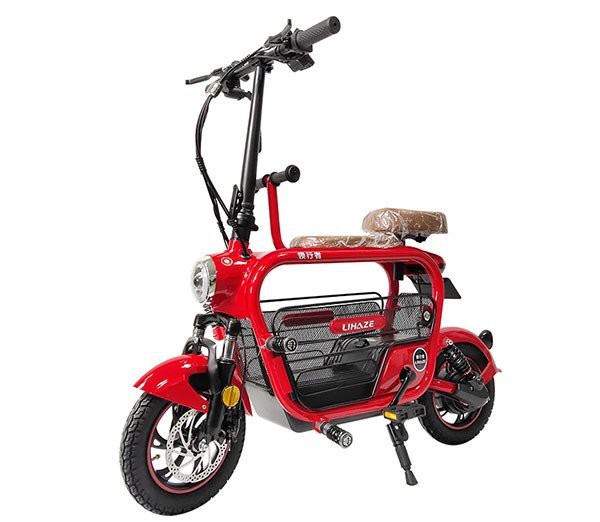
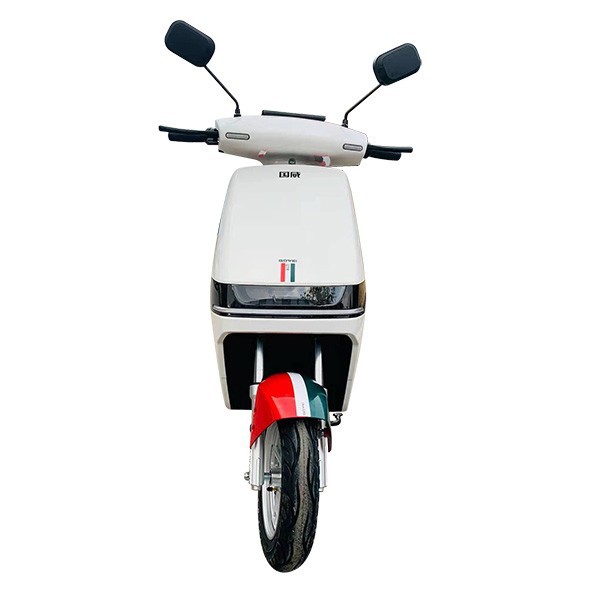
- Terrain: Riding on flat, smooth roads requires less energy compared to riding on hilly or rough terrain. When going uphill, the motor has to work harder to overcome gravity, consuming more battery power. Conversely, riding downhill can recharge the battery slightly through regenerative braking, which converts the kinetic energy of the bike into electrical energy.
- Wind: Headwinds can create additional resistance, forcing the motor to work harder and reducing the range. Tailwinds, on the other hand, can provide a boost, allowing the bike to cover more distance with less energy.
- Temperature: Extreme temperatures can affect battery performance. In cold weather, the chemical reactions inside the battery slow down, reducing its capacity and range. In hot weather, the battery may overheat, which can also degrade its performance over time.
Rider Behavior
How you ride your e - bicycle also plays a role in determining its range. Aggressive riding, such as rapid acceleration and hard braking, consumes more energy compared to smooth, steady riding. Using the pedal - assist mode effectively can also extend the range. By pedaling along with the motor, you can reduce the load on the battery and increase the overall efficiency of the bike.
Our Electric Bike For Young People is designed with multiple pedal - assist levels, allowing riders to customize their riding experience based on their energy needs. Whether you want a little extra help on your commute or a more challenging workout, these adjustable settings can help you optimize the bike's range.
Real - World Range Examples
To give you a better idea of how these factors interact in the real world, let's look at some examples.
- City Commuting: If you're using an e - bicycle for daily city commuting on relatively flat roads with moderate traffic, a bike with a 300 - 400 Wh battery and a mid - power motor can typically cover 20 - 30 miles on a single charge. With proper use of pedal - assist and efficient riding techniques, you may even be able to stretch the range to 35 miles or more.
- Recreational Riding: For weekend recreational rides that involve some hilly terrain and longer distances, a high - capacity battery and a more powerful motor are recommended. An e - bicycle with a 500 - 600 Wh battery can travel 30 - 50 miles on a single charge, depending on the specific riding conditions and rider behavior.
Extending the Range
If you need to cover longer distances on your e - bicycle, there are several strategies you can adopt to extend its range.
- Carry a Spare Battery: Many e - bicycles are designed to be compatible with spare batteries. By carrying an extra battery, you can simply swap it out when the first one runs out, effectively doubling your range.
- Optimize Your Riding Style: As mentioned earlier, smooth, steady riding and effective use of pedal - assist can significantly extend the range. Plan your route to avoid hilly areas or strong headwinds whenever possible.
- Maintain Your E - Bicycle: Regular maintenance, such as keeping the tires properly inflated, lubricating the chain, and checking the brakes, can ensure that your e - bicycle operates at peak efficiency. A well - maintained bike consumes less energy and has a longer range.
Conclusion
In conclusion, the range of an e - bicycle on a single charge is determined by a combination of factors, including battery capacity, motor power and efficiency, riding conditions, and rider behavior. As an e - bicycle supplier, we understand the importance of providing our customers with accurate information about range so that they can make informed purchasing decisions.
Our range of e - bicycles, including the Lithium Foldable Bicycle, Aluminum Electric Bicycles, and Electric Bike For Young People, are designed to offer a balance between range, performance, and affordability. Whether you're a daily commuter or a weekend adventurer, we have an e - bicycle that can meet your needs.
If you're interested in learning more about our e - bicycles or have any questions about range and performance, we encourage you to contact us for a detailed discussion. We're here to help you find the perfect e - bicycle for your lifestyle and ensure that you get the most out of your investment.
References
- "Electric Bicycles: Technology and Applications" by John Doe
- "Battery Technology for Electric Vehicles" by Jane Smith
- Industry reports from leading e - bicycle manufacturers and research institutions