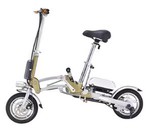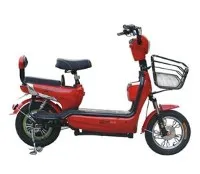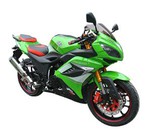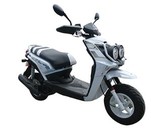

Most quality electric scooters are powered by a BLDC motor. In fact, we anticipate that nearly all newer electric scooter brands will come with brushless hub motors going forward。What does that mean?Well, instead of having one motor powering all the wheels through chains and gears, the motor is integrated directly into the wheel itself—so the electric motor and the wheel are one and the same thing.How e-scooter hub motors work is simple; the motor listens to the rider’s input through the controller. When you push the throttle button on the handlebar, the controller signals the battery to release energy to the motor to produce movement.In hub motors, electromagnetic fields are delivered to the static coils of the motor. The external part of the motor tries to follow those fields, causing the attached wheel to spin.The amount of power generated by the motor is expressed in Watts (W). Most electric scooters are rated between 250W and 600W, but higher performance scooters can have much, much more.Though the manufacturer will usually label the product’s motor power in watts (W), you can also calculate and double-check it. Simply multiply motor voltage in volts (V) by the current in amps (A). For example, let’s consider an e-scooter motor running at 36V and 7A.In that case, its power output will be: 36 V * 7 A =252W.Generally speaking, you can expect around 0.62 mph for every 10-20 Watts of power. However, in most cases, anything less than 300 Watts will struggle climbing steeper hills.Keep in mind electric scooters with brushless hub motors are relatively expensive. The good news is they’re more efficient, quieter and longer-lasting than brushed motor systems. Hub motors are also less likely to malfunction, which means they require minimal maintenance。
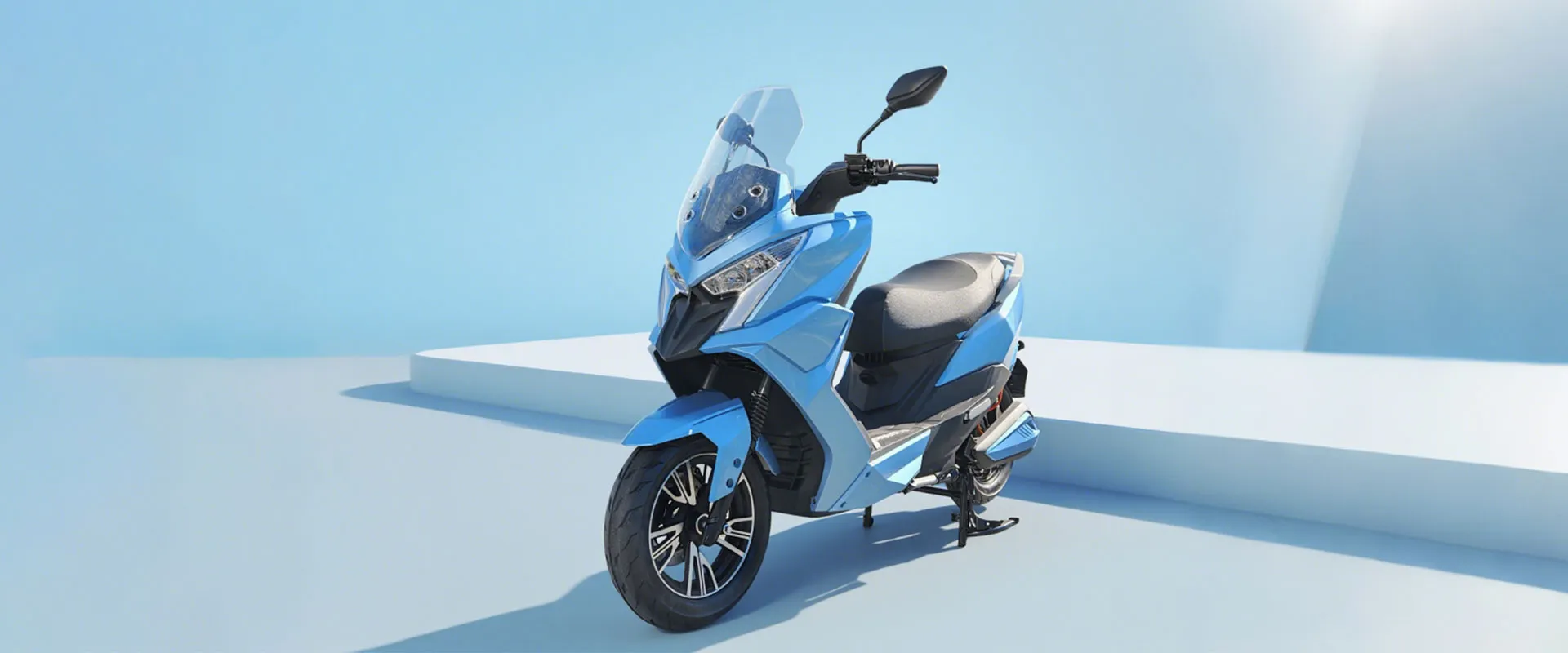
A higher quality with big power of Watt motor can help electric scooter run faster and climbing more powerful.www.guoweimoto.com