
Maintaining the brakes on your motorbike is crucial for your safety and the overall performance of your vehicle. As a motorbike supplier, I've seen firsthand the importance of proper brake maintenance. In this blog, I'll share some practical tips on how to keep your motorbike brakes in top - notch condition.
Understanding Your Brakes
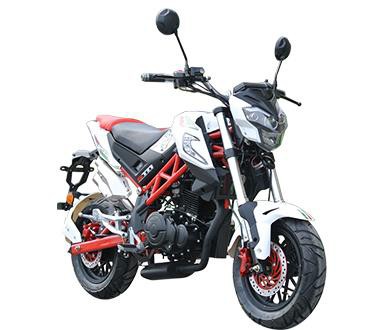
Before you start maintaining your brakes, it's essential to understand how they work. Most motorbikes have either disc brakes or drum brakes. Disc brakes are more common in modern bikes and offer better stopping power. They consist of a brake disc, caliper, and brake pads. When you squeeze the brake lever, the caliper clamps down on the disc, creating friction that slows down the wheel.
Drum brakes, on the other hand, are less efficient but still found on some older or budget - friendly models. They work by expanding brake shoes against the inside of a drum to create friction.
Regular Visual Inspections
One of the simplest yet most effective ways to maintain your brakes is through regular visual inspections. Check your brake pads regularly. If you have disc brakes, you can usually see the brake pads through the caliper. The pads should have a sufficient amount of friction material left. A general rule of thumb is that if the pads are less than 3mm thick, it's time to replace them.
For drum brakes, you may need to remove the wheel to inspect the brake shoes. Look for signs of excessive wear, such as uneven surfaces or thinning material. Also, check the brake lines for any signs of damage, such as cracks, leaks, or bulges. A damaged brake line can lead to a loss of brake fluid and reduced braking performance.
Brake Fluid Checks and Changes
Brake fluid is the lifeblood of your hydraulic braking system. Over time, brake fluid can absorb moisture from the air, which can lead to corrosion and a decrease in braking efficiency. Check your brake fluid level regularly. Most motorbikes have a reservoir with minimum and maximum markings. If the fluid level is below the minimum mark, it could indicate a leak or worn brake pads.
It's also important to change your brake fluid at regular intervals. The recommended interval varies depending on the manufacturer, but a good rule of thumb is to change the brake fluid every two years. When changing the brake fluid, make sure to use the type specified in your motorbike's owner's manual.
Caliper Maintenance
The caliper is a critical component of your disc brake system. It's responsible for applying pressure to the brake pads. Over time, calipers can become dirty or seized, which can affect their performance. To maintain your calipers, you can clean them regularly with a brake cleaner. This will remove any dirt, grime, or brake dust that may have accumulated.
If you notice that your caliper is sticking or not releasing properly, you may need to disassemble it and clean the pistons. However, this is a more advanced task and should only be attempted if you have the necessary skills and tools. If you're unsure, it's best to take your motorbike to a professional mechanic.
Drum Brake Adjustment
If your motorbike has drum brakes, regular adjustment is necessary to ensure proper braking performance. Over time, the brake shoes wear down, and the gap between the shoes and the drum increases. This can lead to a spongy brake feel and reduced stopping power.
To adjust drum brakes, you'll need to locate the adjustment screw, which is usually found on the back of the brake assembly. Turn the screw in small increments until you achieve the correct brake feel. Be careful not to over - adjust the brakes, as this can cause the brakes to drag and overheat.
Riding Habits and Brake Maintenance
Your riding habits can also have a significant impact on the lifespan of your brakes. Aggressive riding, such as hard braking and frequent stop - and - go traffic, can cause your brakes to wear out more quickly. Try to anticipate stops and slow down gradually, using engine braking whenever possible. This will reduce the strain on your brakes and extend their lifespan.
Choosing the Right Replacement Parts
When it comes time to replace your brake pads, shoes, or other components, it's important to choose high - quality parts. As a motorbike supplier, I recommend using parts that are specifically designed for your make and model of motorbike. This ensures a proper fit and optimal performance.
For example, if you're interested in a new motorbike, we offer a range of models, including the Hybrid Power Electric Enduro Motorbike, the 12v 24v 48v Electric Motorcycle, and the Cheap Touring Sports Motorcycles. These bikes come with reliable brake systems, but proper maintenance is still essential.
Conclusion
Maintaining the brakes on your motorbike is a relatively simple but crucial task. By following these tips, you can ensure that your brakes are always in good working condition, which will enhance your safety on the road. Remember, regular inspections, fluid changes, and proper riding habits are key to keeping your brakes in top shape.
If you're in the market for a new motorbike or need replacement brake parts, we're here to help. We offer a wide range of motorbikes and high - quality parts to meet your needs. Contact us to start a procurement discussion and find the perfect solution for your motorbike requirements.
References
- Motorbike owner's manuals
- Motorcycle maintenance guides from reputable publishers
- Industry standards and best practices for brake maintenance