
As a motorcycle supplier, I understand the importance of maintaining a motorcycle's battery. A well - maintained battery not only ensures the reliable starting of your motorcycle but also extends the overall lifespan of the battery, saving you money in the long run. In this blog, I'll share some practical tips on how to maintain your motorcycle's battery.
Understanding Your Motorcycle Battery
Before we dive into maintenance tips, it's essential to understand the type of battery your motorcycle uses. Most motorcycles are equipped with lead - acid batteries, which come in two main types: flooded and sealed (AGM - Absorbent Glass Mat). Flooded batteries have removable caps and require periodic electrolyte level checks, while sealed AGM batteries are maintenance - free in terms of electrolyte addition.
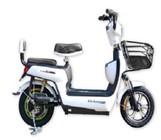
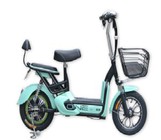
There are also lithium - ion batteries, which are becoming increasingly popular due to their lighter weight, higher energy density, and longer lifespan. For example, the Lithium Electric Bike High - Grade Electric Bicycle often uses advanced lithium - ion battery technology.
Regular Visual Inspections
The first step in battery maintenance is regular visual inspections. Check the battery case for any signs of damage, such as cracks or bulges. A damaged battery case can lead to electrolyte leakage, which is not only dangerous but also can cause the battery to fail.
Inspect the battery terminals for corrosion. Corrosion on the terminals can impede the flow of electricity, making it difficult for the battery to charge and discharge properly. If you notice a white, powdery substance on the terminals, it's a sign of corrosion.
Cleaning the Battery Terminals
If you find corrosion on the battery terminals, it's crucial to clean them. First, make sure to disconnect the battery cables, starting with the negative (-) cable and then the positive (+) cable. This reduces the risk of short - circuits.
Prepare a solution of baking soda and water. Use a small brush, like an old toothbrush, to gently scrub the terminals with the baking soda solution. The baking soda will neutralize the acidic corrosion. Rinse the terminals with clean water and dry them thoroughly.
After cleaning, apply a thin layer of petroleum jelly or terminal protectant spray to the terminals. This helps prevent future corrosion. Reconnect the battery cables, starting with the positive (+) cable and then the negative (-) cable.
Checking the Electrolyte Level (for Flooded Batteries)
If your motorcycle has a flooded lead - acid battery, you need to check the electrolyte level regularly. The electrolyte is a mixture of sulfuric acid and water, and it plays a vital role in the battery's chemical reactions.
Remove the caps from the battery cells. The electrolyte level should be between the "MIN" and "MAX" marks on the battery case. If the level is low, add distilled water to bring it up to the proper level. Do not overfill the cells, as this can cause the electrolyte to spill out during charging.
Charging the Battery Properly
Proper charging is key to maintaining a healthy battery. If your motorcycle is not used frequently, the battery can discharge over time. A fully discharged battery can sulfate, which is a process where lead sulfate crystals form on the battery plates, reducing the battery's capacity and lifespan.
Use a quality battery charger designed for motorcycle batteries. Follow the manufacturer's instructions for charging. For a standard lead - acid battery, a slow charge is usually recommended to avoid overheating and damaging the battery.
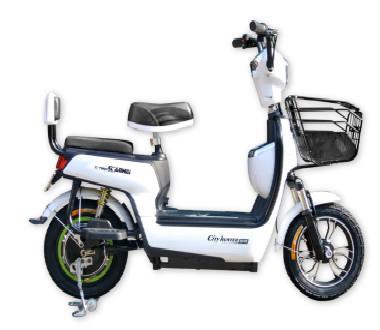
If you're using a lithium - ion battery, make sure to use a charger specifically designed for lithium - ion batteries. For instance, the battery in the 48V 20Ah EBike requires a charger that can handle its voltage and capacity.
Storing the Motorcycle and Battery
If you plan to store your motorcycle for an extended period, proper storage is essential for the battery. First, fully charge the battery before storage. If possible, remove the battery from the motorcycle and store it in a cool, dry place.
During storage, check the battery's charge level every few weeks. If the charge level drops below a certain point, recharge the battery to prevent it from fully discharging.
Using a Battery Tender
A battery tender, also known as a trickle charger, is a great tool for maintaining the battery's charge, especially during long - term storage or when the motorcycle is not used frequently. A battery tender automatically adjusts the charging rate to keep the battery fully charged without overcharging it.
Connect the battery tender to the battery according to the manufacturer's instructions. Leave it connected for as long as needed, and it will keep the battery in good condition.
Monitoring the Battery's Performance
Pay attention to the performance of your motorcycle's battery. If you notice that the motorcycle is slow to start, the lights are dimmer than usual, or the battery is not holding a charge, it could be a sign of a problem.
Use a battery tester to check the battery's voltage and state of charge. A healthy battery should have a voltage of around 12.6 volts when fully charged. If the voltage is significantly lower, it may be time to recharge or replace the battery.
Replacing the Battery
Even with proper maintenance, batteries have a limited lifespan. The average lifespan of a motorcycle battery is around 2 - 5 years, depending on the type of battery, usage, and maintenance.
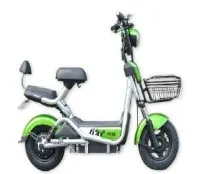
When it's time to replace the battery, choose a battery that is compatible with your motorcycle's electrical system. Consider factors such as voltage, capacity, and size. You can find a wide range of suitable batteries, including those for Small Motor Electric Bicycle, at reliable suppliers.
Conclusion
Maintaining your motorcycle's battery is a relatively simple yet crucial task. By following these tips, you can ensure that your battery lasts longer and performs reliably. A well - maintained battery means fewer breakdowns and a more enjoyable riding experience.
If you're in the market for a new motorcycle battery or have any questions about battery maintenance, we're here to help. As a motorcycle supplier, we offer a wide range of high - quality batteries and other motorcycle parts. Contact us for more information and to start a procurement discussion. We look forward to serving you and helping you keep your motorcycle in top condition.
References
- Battery University: A comprehensive resource for battery knowledge and maintenance tips.
- Motorcycle manufacturers' manuals: Provide specific information about battery maintenance for different motorcycle models.