
Improving your motorcycle's handling is a crucial aspect of enhancing your overall riding experience. As a motorcycle supplier, I've seen firsthand the difference that optimized handling can make on the road. In this blog, I'll share some valuable insights and tips on how to improve your motorcycle's handling.
1. Tire Selection and Maintenance
Tires are the only point of contact between your motorcycle and the road, so they play a vital role in handling. Choosing the right tires for your motorcycle and riding style is essential. Consider factors such as tire size, tread pattern, and compound.
- Tire Size: Ensure that the tires you choose are the correct size for your motorcycle. Incorrect tire sizes can affect your motorcycle's handling, stability, and braking performance. Refer to your motorcycle's owner's manual for the recommended tire sizes.
- Tread Pattern: Different tread patterns are designed for specific riding conditions. For example, tires with a more aggressive tread pattern are better suited for off-road riding, while those with a smoother tread pattern provide better performance on the highway. Consider your typical riding conditions when choosing a tread pattern.
- Tire Compound: The tire compound affects the tire's grip, durability, and performance. Soft compounds provide better grip but wear out faster, while hard compounds last longer but may offer less grip. Choose a tire compound that suits your riding style and needs.
In addition to choosing the right tires, regular tire maintenance is also crucial. Check your tire pressure regularly and ensure that it is within the recommended range. Underinflated tires can affect your motorcycle's handling and increase the risk of a blowout, while overinflated tires can reduce traction and comfort.
2. Suspension Setup
The suspension system of your motorcycle is responsible for absorbing shocks and maintaining contact between the tires and the road. A properly setup suspension system can significantly improve your motorcycle's handling, stability, and comfort.
- Suspension Adjustment: Most modern motorcycles come with adjustable suspension systems. Adjust the preload, compression, and rebound settings of your suspension to suit your riding style and weight. A stiffer suspension setup is better for aggressive riding, while a softer setup provides a more comfortable ride.
- Suspension Upgrades: If your motorcycle's stock suspension system doesn't meet your needs, consider upgrading to a high-performance suspension system. Aftermarket suspension components such as shocks, forks, and springs can provide better performance and adjustability.
3. Brake System Upgrade
The brake system of your motorcycle is one of the most important safety features. A reliable and efficient brake system can improve your motorcycle's handling and reduce the risk of accidents.
- Brake Pads and Rotors: Upgrade your brake pads and rotors to high-performance components. High-performance brake pads provide better stopping power and durability, while slotted or drilled rotors improve heat dissipation and reduce brake fade.
- Brake Lines: Replace your stock brake lines with stainless steel braided brake lines. Stainless steel braided brake lines provide better braking feel and reduce the risk of brake line expansion under pressure.
4. Steering and Handling Accessories
There are several steering and handling accessories available in the market that can improve your motorcycle's handling and stability.
- Handlebars: Choose handlebars that are comfortable and provide good leverage. Different handlebar styles offer different levels of comfort and control. For example, drag bars provide a more aggressive riding position, while cruiser bars offer a more relaxed riding position.
- Steering Dampers: A steering damper helps to reduce steering oscillations and improve stability at high speeds. It also provides better control during cornering and braking.
- Sprockets and Chains: Changing the sprocket and chain ratio can affect your motorcycle's acceleration, top speed, and handling. A smaller front sprocket or a larger rear sprocket will increase acceleration but reduce top speed, while a larger front sprocket or a smaller rear sprocket will increase top speed but reduce acceleration.
5. Weight Distribution
Proper weight distribution is essential for optimal motorcycle handling. Uneven weight distribution can affect your motorcycle's stability, steering, and braking performance.
- Riding Position: Adjust your riding position to ensure that your weight is evenly distributed between the front and rear wheels. Sit upright and keep your knees and elbows slightly bent. Avoid leaning too far forward or backward.
- Luggage and Gear: If you're carrying luggage or gear on your motorcycle, make sure it is evenly distributed and securely fastened. Avoid overloading your motorcycle or placing too much weight on one side.
6. Regular Maintenance
Regular maintenance is crucial for keeping your motorcycle in good condition and ensuring optimal handling.
- Oil Changes: Change your motorcycle's oil and oil filter regularly according to the manufacturer's recommendations. Fresh oil helps to lubricate the engine and reduce friction, which can improve performance and handling.
- Chain Maintenance: Keep your motorcycle's chain clean and properly lubricated. A dirty or dry chain can affect your motorcycle's performance and handling.
- Wheel Balancing: Have your motorcycle's wheels balanced regularly to ensure smooth and stable riding. Unbalanced wheels can cause vibration and affect handling.
7. Riding Techniques
Improving your riding techniques can also enhance your motorcycle's handling.
- Cornering: When cornering, lean your motorcycle and your body in the same direction. Look through the corner and anticipate the next turn. This will help you maintain control and stability.
- Braking: Use both the front and rear brakes when braking. Apply the front brake gently first, followed by the rear brake. This will help you stop more effectively and reduce the risk of skidding.
- Acceleration: Smooth acceleration is important for maintaining traction and stability. Avoid sudden acceleration or deceleration, especially on wet or slippery roads.
In conclusion, improving your motorcycle's handling requires a combination of proper tire selection and maintenance, suspension setup, brake system upgrade, steering and handling accessories, weight distribution, regular maintenance, and riding techniques. By following these tips, you can enhance your motorcycle's performance, stability, and safety on the road.
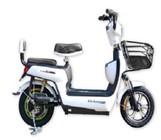
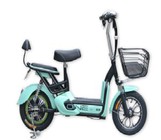
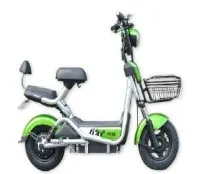
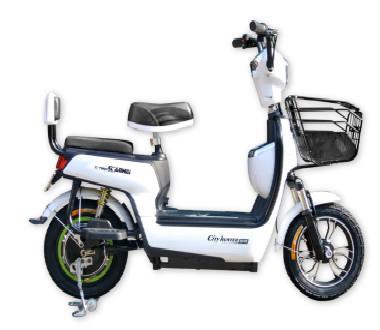
If you're looking for high-quality motorcycles and accessories to improve your motorcycle's handling, feel free to browse our website. We offer a wide range of Battery Electric Bike for Adults, Small Motor Electric Bicycle, and Cute Electric Mini Electric bike that are designed to meet the needs of riders of all levels. Contact us today for more information and to discuss your purchasing options.
References
- Motorcycle Owner's Manuals
- Motorcycle Industry Publications
- Online Motorcycle Forums and Communities