
Hey there, fellow motorcycle enthusiasts! I'm stoked to share my knowledge on how to clean and polish your motorcycle. As a motorcycle supplier, I've seen all kinds of bikes, from sleek street machines to rugged off - road beasts. Keeping your ride in top - notch condition not only makes it look great but also extends its lifespan. So, let's dive into the nitty - gritty of motorcycle cleaning and polishing!
Preparing for the Cleaning Process
Before you start scrubbing, you need to gather the right tools. You'll need a soft sponge or microfiber cloth. These are gentle on your bike's paint and won't cause scratches. A bucket of warm water and a mild motorcycle cleaner are also essential. Avoid using harsh household cleaners, as they can damage the finish.
I also recommend getting a set of brushes with different bristle stiffness. Soft brushes are great for getting into tight spaces like around the engine and under the seat, while medium - stiff brushes can be used for the wheels and chain. And don't forget about a good quality wax or polish for that final shine.
Cleaning the Exterior
Let's start with the exterior of your motorcycle. First, rinse the whole bike with a hose to get rid of loose dirt and debris. This will prevent scratching the paint when you start scrubbing. Make sure to get the wheels, frame, and all the nooks and crannies.
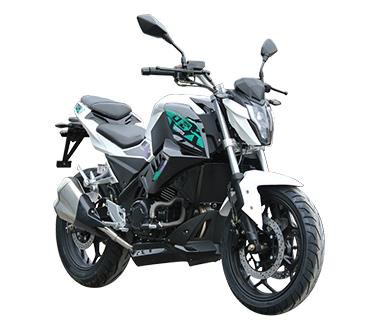
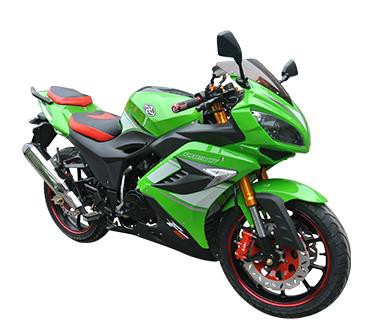
Next, fill your bucket with warm water and add the mild cleaner. Dip your sponge or cloth into the soapy water and start wiping down the bike. Work from the top down, starting with the windshield (if you have one) and moving to the fuel tank, fenders, and side panels. Be gentle around the decals and graphics to avoid peeling them off.
For the hard - to - reach areas, use the soft brush. You can clean around the handlebars, mirrors, and the engine cooling fins. Pay special attention to the areas where dirt tends to accumulate, like under the footrests and around the exhaust pipes.
When it comes to the wheels, they usually get the dirtiest. Use the medium - stiff brush to scrub the rims and spokes. You can also use a wheel cleaner specifically designed for motorcycles, but make sure to follow the instructions on the label.
Once you've cleaned the entire exterior, rinse the bike thoroughly with a hose to remove all the soap residue. A pressure washer can be a great tool here, but make sure to use a wide - angle nozzle and keep it at a safe distance to avoid damaging the paint or forcing water into sensitive parts.
Cleaning the Chain
One of the most important parts of your motorcycle is the chain. A dirty chain can cause poor performance and even damage your sprockets. To clean the chain, you'll need a chain cleaner and a chain brush.
First, lift the rear wheel off the ground using a motorcycle stand. This will allow the chain to rotate freely. Spray the chain cleaner onto the chain and let it sit for a few minutes to break down the dirt and grime. Then, use the chain brush to scrub the chain, making sure to get into every link.
After scrubbing, rinse the chain with a hose. Make sure all the cleaner is removed. Once the chain is dry, apply a chain lubricant. This will protect the chain from rust and wear, and keep it running smoothly.
Cleaning the Engine
Cleaning the engine is a bit more delicate. You don't want water or cleaner to get into sensitive parts like the air intake or the electrical components. Start by covering the air intake and any exposed electrical connections with plastic bags.
Use a degreaser designed for engines and spray it onto the engine surfaces. Let it sit for a few minutes to loosen the dirt. Then, use a soft brush to gently scrub the engine. You can use a damp cloth to wipe away the dirt and degreaser.
Rinse the engine carefully with a low - pressure stream of water. Make sure to dry the engine thoroughly with a clean cloth to prevent rust.
Polishing the Motorcycle
Once your motorcycle is clean and dry, it's time to give it that showroom shine. Apply a small amount of wax or polish to a microfiber cloth. Start with the fuel tank and work your way around the bike. Use circular motions to apply the wax evenly.
Let the wax dry for a few minutes, then buff it off with a clean microfiber cloth. This will leave your motorcycle with a smooth, glossy finish. Pay attention to the paint, chrome, and plastic parts. Different materials may require different types of wax or polish, so make sure to choose the right product for each area.
Different Types of Motorcycles, Different Care
It's important to note that different types of motorcycles may require slightly different cleaning and polishing techniques. For example, Best Motorcycle For Adults often have more complex bodywork and electronics, so you need to be extra careful when cleaning them.
Top Sport Enduro Motorcycles are built for off - road adventures, which means they get a lot dirtier. You may need to use more aggressive cleaning methods on these bikes, but still make sure not to damage the paint or components.
New Sport Street Legal Off Road Motorcycles combine the features of street bikes and off - road bikes. They require a balance of cleaning for both on - road and off - road conditions.
Why Cleaning and Polishing Matters
Cleaning and polishing your motorcycle is not just about looks. Regular maintenance can prevent corrosion, which can weaken the frame and other components over time. It also helps you spot any potential problems early, like loose bolts or leaks.
A well - maintained motorcycle is also more likely to hold its value. If you ever decide to sell your bike, a clean and polished motorcycle will attract more buyers and command a higher price.
Contact for Procurement
If you're in the market for a new motorcycle or need parts and accessories for your current ride, I'm here to help. As a motorcycle supplier, I have a wide range of options to meet your needs. Whether you're a beginner looking for a reliable starter bike or an experienced rider in search of a high - performance machine, I can assist you. Reach out to me to start the procurement process and let me help you find the perfect motorcycle for your adventures.
References
- Motorcycle Maintenance Manuals
- Online Motorcycle Forums and Communities
- Manufacturer's Guidelines