
As a supplier of sportbikes, I often get asked by enthusiasts and riders about various maintenance aspects of their beloved machines. One crucial maintenance task that can significantly impact the performance and longevity of a sportbike is checking the chain tension. In this blog, I'll share my insights and experiences on how to check the chain tension on a sportbike.
Why Chain Tension Matters
Before diving into the process of checking chain tension, it's essential to understand why it's so important. The chain on a sportbike is responsible for transferring power from the engine to the rear wheel. If the chain is too loose, it can cause excessive vibration, premature wear on the sprockets and chain itself, and even lead to the chain coming off the sprockets while riding. On the other hand, if the chain is too tight, it can put additional stress on the engine, transmission, and other components, leading to increased fuel consumption, reduced power output, and potential damage to the drivetrain.
Tools You'll Need
To check the chain tension on your sportbike, you'll need a few basic tools:
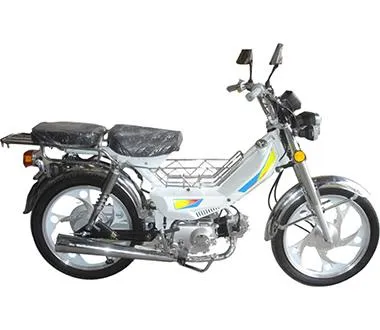
- Chain tension gauge: This tool is specifically designed to measure the chain tension accurately. It typically consists of a spring-loaded plunger that you place against the chain to measure the amount of deflection.
- Wrench: You'll need a wrench to loosen and tighten the axle nut and adjuster bolts on the rear wheel.
- Owner's manual: Your sportbike's owner's manual will provide specific instructions on how to check and adjust the chain tension for your particular model.
Step-by-Step Guide to Checking Chain Tension
Now that you have the necessary tools, let's walk through the process of checking the chain tension on your sportbike:
- Park your sportbike on a level surface: Make sure the bike is in neutral and the engine is turned off.
- Locate the chain tension adjusters: The chain tension adjusters are usually located on the rear swingarm near the rear wheel. They consist of a pair of bolts or nuts that you can turn to adjust the position of the rear wheel and, in turn, the chain tension.
- Measure the chain deflection: Using the chain tension gauge, measure the amount of deflection in the chain at a point midway between the front and rear sprockets. The deflection is the amount of movement the chain has when you press down on it with the gauge. Refer to your owner's manual for the recommended deflection range for your sportbike.
- Compare the measured deflection to the recommended range: If the measured deflection is within the recommended range, your chain tension is correct. If it's outside the range, you'll need to adjust the chain tension.
- Adjust the chain tension: To adjust the chain tension, loosen the axle nut and the adjuster bolts on the rear wheel. Then, turn the adjuster bolts on both sides of the swingarm equally to move the rear wheel forward or backward. As you turn the adjuster bolts, the chain tension will increase or decrease. Check the chain deflection again after each adjustment until it falls within the recommended range.
- Tighten the axle nut and adjuster bolts: Once you've adjusted the chain tension to the correct level, tighten the axle nut and the adjuster bolts to the recommended torque specification. Refer to your owner's manual for the correct torque values.
- Check the chain alignment: After adjusting the chain tension, it's important to check the chain alignment to ensure that the chain is running straight and not rubbing against the sprockets or other components. You can use a straightedge or a chain alignment tool to check the alignment. If the chain is not aligned correctly, you may need to adjust the position of the rear wheel or the sprockets.
Tips for Maintaining Proper Chain Tension
Checking and adjusting the chain tension on your sportbike is just one part of maintaining a healthy drivetrain. Here are some additional tips to help you keep your chain in good condition:
- Clean and lubricate the chain regularly: A clean and lubricated chain will last longer and perform better. Use a chain cleaner and lubricant specifically designed for motorcycles to clean and lubricate the chain at regular intervals.
- Inspect the chain for wear and damage: Regularly inspect the chain for signs of wear, such as stretched links, worn sprockets, or damaged rollers. If you notice any signs of wear or damage, replace the chain and sprockets as soon as possible.
- Follow the manufacturer's maintenance schedule: Your sportbike's owner's manual will provide a recommended maintenance schedule for your bike, including when to check and adjust the chain tension. Follow this schedule to ensure that your bike is properly maintained and to avoid any potential problems.
Conclusion
Checking the chain tension on your sportbike is a simple but important maintenance task that can help ensure the performance and longevity of your bike. By following the steps outlined in this blog and using the right tools, you can easily check and adjust the chain tension on your sportbike at home. Remember to also follow the manufacturer's maintenance schedule and take good care of your chain to keep it in good condition.
If you're in the market for a new sportbike or need to replace any parts on your existing bike, we're here to help. As a leading supplier of Sport Street Motorcycles, New Small Enduro Dual Sport Motorcycles, and Top Sport Enduro Motorcycles, we offer a wide range of high-quality bikes and parts to meet your needs. Contact us today to learn more about our products and services and to start your next adventure on the road.
References
- Motorcycle Owner's Manuals
- Motorcycle Maintenance Guides