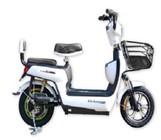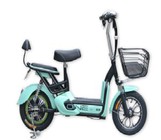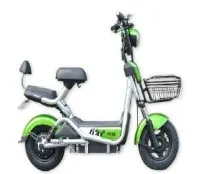

In recent years, the popularity of e-bikes has soared, presenting a significant alternative to traditional bicycles. As an e-bike supplier, I've witnessed firsthand the growing interest in these innovative vehicles and the questions consumers often have about how they stack up against their non-electric counterparts. In this blog post, I'll delve into a comprehensive comparison between e-bikes and traditional bikes, exploring various aspects such as performance, convenience, cost, and environmental impact.
Performance
One of the most noticeable differences between e-bikes and traditional bikes lies in their performance capabilities. Traditional bikes rely solely on human power, meaning the speed and ease of riding depend entirely on the rider's physical strength and endurance. While this can be a great form of exercise, it also limits the distance and speed that can be comfortably achieved, especially for those who are not particularly fit or for longer commutes.
On the other hand, e-bikes are equipped with an electric motor that provides pedal assistance. This means that riders can choose to rely on the motor to varying degrees, depending on their needs and preferences. For example, when facing a steep hill or a strong headwind, the motor can kick in to provide an extra boost, making the ride much easier. As a result, e-bikes can often reach higher speeds with less effort, allowing riders to cover greater distances in a shorter amount of time.
The range of an e-bike is also an important factor to consider. Most e-bikes can travel anywhere from 20 to 100 miles on a single charge, depending on the battery capacity, the level of pedal assistance used, and the terrain. This makes them a viable option for both short trips around town and longer commutes. In contrast, traditional bikes have an unlimited range as long as the rider has the energy to keep pedaling.
Convenience
When it comes to convenience, e-bikes have several advantages over traditional bikes. For starters, they can make commuting much more practical, especially in urban areas with heavy traffic. With an e-bike, you can avoid sitting in traffic jams and arrive at your destination faster. You can also take shortcuts through bike lanes and paths that may not be accessible to cars, further saving time and reducing stress.
Another convenience factor is the ease of use. E-bikes are generally easier to ride than traditional bikes, especially for those who are new to cycling or have physical limitations. The pedal assistance feature means that you don't have to exert as much effort to get going, making it easier to start and stop. Additionally, many e-bikes come with features such as adjustable seats, handlebars, and gears, allowing you to customize the ride to your comfort level.
In terms of storage, e-bikes are often more compact and easier to store than traditional bikes. Many e-bikes can be folded, making them ideal for apartment living or for taking on public transportation. They also don't require as much maintenance as traditional bikes, as the electric components are generally more reliable and require less frequent servicing.
Cost
The cost of an e-bike is typically higher than that of a traditional bike. E-bikes can range in price from a few hundred dollars to several thousand dollars, depending on the brand, model, and features. However, it's important to consider the long-term cost savings. For example, if you use an e-bike for your daily commute instead of a car, you can save money on gas, parking, and maintenance. Over time, these savings can add up to a significant amount.
In addition, many governments and municipalities offer incentives and subsidies for purchasing e-bikes, such as tax credits or rebates. These incentives can help offset the initial cost of the e-bike and make it more affordable.
Environmental Impact
Both e-bikes and traditional bikes are considered to be environmentally friendly modes of transportation. They produce zero emissions and require less energy to operate than cars or motorcycles. However, e-bikes do have a slightly larger environmental footprint than traditional bikes due to the production and disposal of the batteries.
The good news is that battery technology is constantly improving, and many e-bike batteries are now made from more sustainable materials and can be recycled. Additionally, the energy used to charge an e-bike battery is typically much less than the energy used to power a car, making e-bikes a more sustainable option overall.
Types of E-Bikes
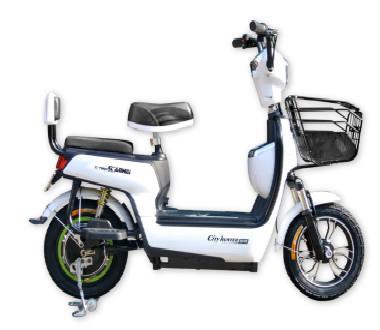
As an e-bike supplier, I offer a wide range of e-bikes to suit different needs and preferences. Here are some of the popular types of e-bikes that I carry:
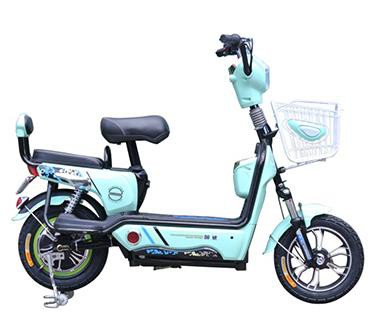
- Street Legal Electric Mopeds for Adults: These e-bikes are designed for urban commuting and offer a combination of style and functionality. They typically have a higher top speed and a longer range than other types of e-bikes, making them ideal for longer commutes. Click here to learn more.
- Ladies Motorized Mini Electric Mountain Bike: This type of e-bike is perfect for women who want a fun and easy way to explore the outdoors. It has a compact design and a powerful motor, making it suitable for both on-road and off-road riding. Click here to learn more.
- Aluminum Electric Bicycles: These e-bikes are lightweight and durable, making them a great choice for everyday use. They are also available in a variety of styles and colors, allowing you to find the perfect e-bike to suit your personality. Click here to learn more.
Conclusion
In conclusion, e-bikes and traditional bikes each have their own unique advantages and disadvantages. Traditional bikes are a great form of exercise and offer a more authentic cycling experience, while e-bikes provide a convenient and efficient way to get around, especially for longer distances or in hilly terrain.
As an e-bike supplier, I believe that e-bikes have the potential to revolutionize the way we commute and travel. They offer a sustainable and practical alternative to cars and public transportation, and can help reduce traffic congestion and air pollution.
If you're considering purchasing an e-bike, I encourage you to do your research and test ride a few different models to find the one that's right for you. And if you have any questions or need more information, please don't hesitate to contact me. I'd be happy to help you make an informed decision and find the perfect e-bike for your needs.
References
- "Electric Bikes: A Comprehensive Guide." Consumer Reports.
- "The Future of Cycling: E-Bikes." World Economic Forum.
- "Benefits of E-Bikes." National Association of City Transportation Officials.