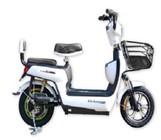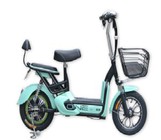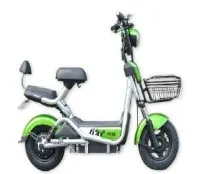

As a supplier of e-moto bikes, I often encounter inquiries from customers about the features and technologies of our products. One question that frequently comes up is whether e-moto bikes have regenerative braking. In this blog post, I'll delve into the concept of regenerative braking, explain how it works in e-moto bikes, and discuss its benefits and limitations.
Understanding Regenerative Braking
Regenerative braking is a technology that allows a vehicle to recover and reuse some of the energy that would otherwise be lost during braking. In traditional braking systems, when you apply the brakes, the kinetic energy of the moving vehicle is converted into heat energy through friction between the brake pads and the brake discs or drums. This heat energy is then dissipated into the environment, resulting in a loss of energy.
In contrast, regenerative braking systems in e-moto bikes use an electric motor to reverse its function. Instead of consuming electrical energy to drive the wheels, the motor acts as a generator when the brakes are applied. As the wheels slow down, the motor converts the kinetic energy of the moving bike into electrical energy, which is then stored in the battery for later use. This process not only reduces energy waste but also extends the range of the e-moto bike.
How Regenerative Braking Works in E-Moto Bikes
The operation of regenerative braking in e-moto bikes is relatively straightforward. When the rider applies the brakes, a signal is sent to the motor controller, which then adjusts the electrical current flowing through the motor. Instead of receiving power from the battery to drive the wheels, the motor now generates electricity as it resists the rotation of the wheels.
The generated electrical energy is then fed back into the battery through a charging circuit. This process is similar to charging the battery using an external charger, but instead of drawing power from the grid, the energy is harvested from the bike's motion. The amount of energy recovered through regenerative braking depends on several factors, including the speed of the bike, the strength of the braking force, and the efficiency of the regenerative braking system.
Benefits of Regenerative Braking in E-Moto Bikes
One of the primary benefits of regenerative braking in e-moto bikes is increased energy efficiency. By recovering and reusing some of the energy that would otherwise be lost during braking, the bike can travel further on a single charge. This is especially beneficial for urban commuting, where frequent stops and starts are common.
In addition to improving energy efficiency, regenerative braking also reduces wear and tear on the traditional braking system. Since the electric motor provides some of the braking force, the brake pads and discs are subjected to less friction, resulting in longer brake life and lower maintenance costs.
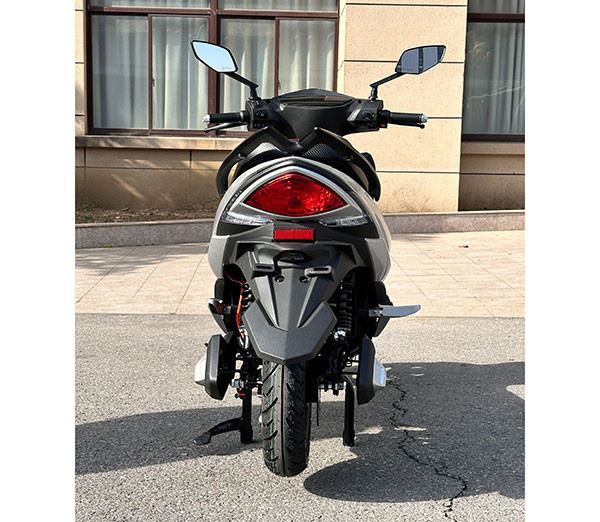
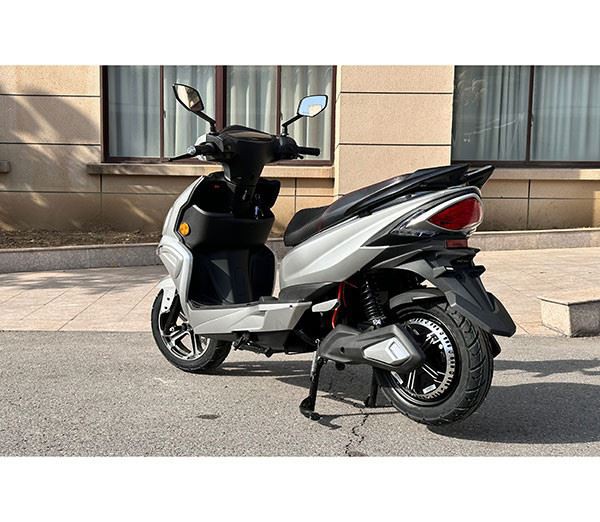
Another advantage of regenerative braking is enhanced safety. The additional braking force provided by the electric motor can help the rider stop the bike more quickly, especially in emergency situations. This can reduce the risk of accidents and improve overall riding safety.
Limitations of Regenerative Braking in E-Moto Bikes
While regenerative braking offers many benefits, it also has some limitations. One of the main limitations is that the amount of energy recovered through regenerative braking is relatively small compared to the total energy consumption of the bike. This means that regenerative braking alone cannot fully recharge the battery, and the bike still needs to be plugged into an external charger for a full charge.
Another limitation is that regenerative braking is most effective at higher speeds. At low speeds or when the bike is coming to a complete stop, the amount of energy recovered is minimal. This is because the kinetic energy of the bike is proportional to the square of its speed, so the slower the bike is moving, the less energy is available to be recovered.
Our E-Moto Bikes and Regenerative Braking
At our company, we offer a range of e-moto bikes equipped with regenerative braking technology. Our bikes are designed to provide a balance between performance, efficiency, and affordability. Whether you're looking for a Cool Sport Motorcycles Best Cheap Dual Sport Motorcycle for off-road adventures or a Top Sport Enduro Motorcycles for high-speed riding, we have a model that suits your needs.
Our Adult Electric Motorcycles are powered by advanced electric motors and lithium-ion batteries, which provide reliable performance and long-range capabilities. The regenerative braking system in our bikes is designed to be efficient and easy to use, allowing riders to recover energy and extend the range of their bikes with minimal effort.
Conclusion
In conclusion, regenerative braking is a valuable technology that offers many benefits for e-moto bikes. By recovering and reusing some of the energy that would otherwise be lost during braking, regenerative braking improves energy efficiency, reduces wear and tear on the braking system, and enhances safety. While it has some limitations, the advantages of regenerative braking make it a worthwhile feature to consider when choosing an e-moto bike.
If you're interested in learning more about our e-moto bikes or have any questions about regenerative braking, please don't hesitate to contact us. We're here to help you find the perfect e-moto bike for your needs and provide you with the support and information you need to make an informed decision.
References
- Smith, J. (2020). Electric Vehicle Technology Explained. Wiley.
- Chan, C. C. (2007). The State of the Art of Electric, Hybrid, and Fuel Cell Vehicles. Proceedings of the IEEE, 95(4), 704-718.
- Miller, J. M. (2006). Review of Electric Machines for Electric and Hybrid Electric Vehicles. IEEE Transactions on Industry Applications, 42(1), 55-67.