
Can an e - motor run on DC power?
As an e - motor supplier, I often encounter this question from customers. The short answer is yes, many e - motors can run on DC (Direct Current) power. In this blog post, I will delve into the details of how e - motors interact with DC power, the types of e - motors suitable for DC power, and the applications of DC - powered e - motors.
How e - motors work with DC power
To understand whether an e - motor can run on DC power, we first need to understand the basic principle of an electric motor. An electric motor converts electrical energy into mechanical energy through the interaction of magnetic fields. When a current flows through a conductor placed in a magnetic field, a force is exerted on the conductor according to the Lorentz force law. This force causes the conductor to move, which in turn rotates the motor shaft.
DC power provides a constant voltage and current in one direction. For DC - powered e - motors, the power source directly supplies the electrical energy needed to create the magnetic field and drive the motor. The simplicity of DC power makes it a popular choice for many applications, especially those where a stable and straightforward power supply is required.
Types of e - motors suitable for DC power
There are several types of e - motors that can operate on DC power:
1. Brushed DC motors
Brushed DC motors are one of the oldest and most common types of DC motors. They consist of a stator (the stationary part) and a rotor (the rotating part). The stator creates a magnetic field, and the rotor contains coils of wire. When DC power is applied, the current flows through the coils in the rotor, creating a magnetic field that interacts with the stator's magnetic field. The brushes, which are made of carbon or graphite, make contact with the commutator on the rotor to supply the current to the coils. As the rotor rotates, the commutator reverses the direction of the current in the coils, ensuring continuous rotation.
Brushed DC motors are relatively simple in design and inexpensive to manufacture. They offer good speed control and high starting torque, making them suitable for a wide range of applications, such as small appliances, toys, and automotive accessories.
2. Brushless DC motors
Brushless DC motors are a more advanced type of DC motor. Unlike brushed DC motors, they do not have brushes and a commutator. Instead, they use electronic controllers to switch the current in the stator coils, creating a rotating magnetic field. The rotor, which is usually made of permanent magnets, follows this rotating magnetic field, causing the motor to rotate.
Brushless DC motors offer several advantages over brushed DC motors. They have higher efficiency, longer lifespan, and lower maintenance requirements. They also provide better speed control and can operate at higher speeds. These motors are commonly used in applications such as computer fans, electric vehicles, and industrial automation.
3. Permanent magnet DC motors
Permanent magnet DC motors use permanent magnets in the stator to create the magnetic field. When DC power is applied to the rotor coils, the magnetic field generated by the current in the coils interacts with the stator's permanent magnetic field, causing the rotor to rotate. Permanent magnet DC motors offer high efficiency and good torque characteristics. They are often used in applications where space is limited and high performance is required, such as in robotics and aerospace.
Applications of DC - powered e - motors
DC - powered e - motors have a wide range of applications in various industries:
1. Automotive industry
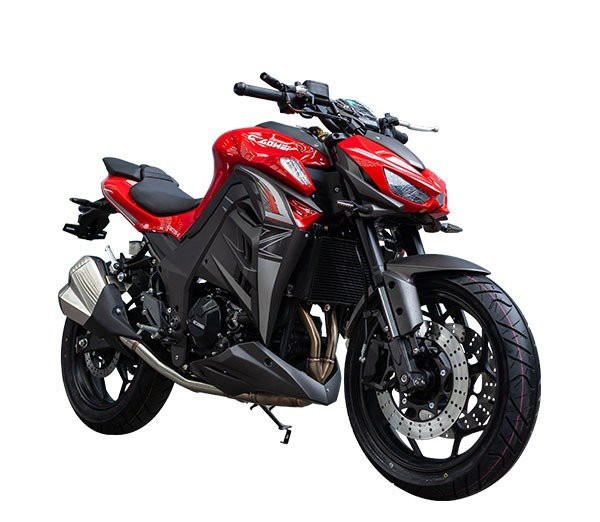
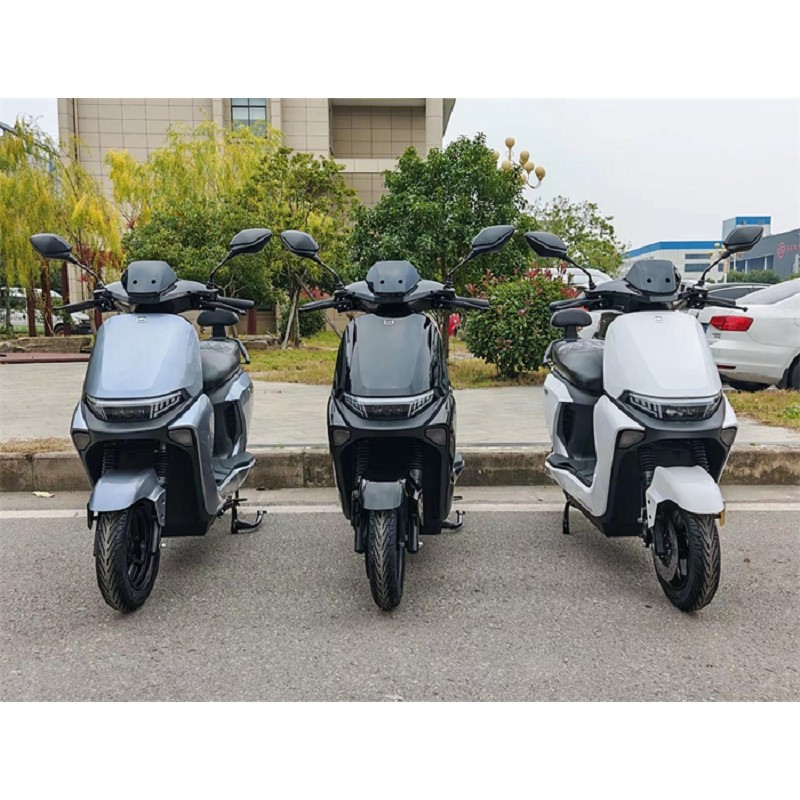
In the automotive industry, DC - powered e - motors are used in many applications, such as power windows, windshield wipers, and seat adjusters. They are also used in electric vehicles (EVs) and hybrid electric vehicles (HEVs). In EVs, DC - powered motors can be used as the main propulsion motor or as auxiliary motors for functions like air conditioning and power steering. For example, Range And Powerful Electric Motorcycle For City Life often use DC - powered motors to provide efficient and reliable performance in urban environments.
2. Consumer electronics
DC - powered e - motors are ubiquitous in consumer electronics. They are used in devices such as fans, hair dryers, and vacuum cleaners. The small size and low power consumption of DC motors make them ideal for these applications. Additionally, the ability to control the speed of DC motors allows for precise adjustment of the device's performance.
3. Industrial automation
In industrial automation, DC - powered e - motors are used for conveyor systems, robotic arms, and machine tools. They offer high precision and repeatability, which are essential for industrial processes. For example, Electric Sport Motorcycle manufacturing may use DC - powered motors in the assembly line to ensure accurate and efficient production.
4. Renewable energy systems
DC - powered e - motors are also used in renewable energy systems, such as solar power systems and wind turbines. In solar power systems, DC motors can be used to track the sun, maximizing the amount of sunlight captured by the solar panels. In wind turbines, DC motors can be used for pitch control, adjusting the angle of the turbine blades to optimize power generation.
Advantages and disadvantages of using DC power for e - motors
Advantages
- Simplicity: DC power is straightforward and easy to understand. It does not require complex power conversion equipment, making it suitable for applications where a simple power supply is needed.
- Efficiency: Many DC - powered e - motors, especially brushless DC motors, offer high efficiency, which can result in energy savings over time.
- Speed control: DC motors provide good speed control, allowing for precise adjustment of the motor's speed according to the application requirements.
- High starting torque: DC motors can produce high starting torque, which is important for applications that require quick acceleration or the ability to start under load.
Disadvantages
- Limited voltage range: DC power sources typically have a limited voltage range. In some applications, a higher voltage may be required, which may necessitate the use of a DC - to - DC converter or a more complex power supply system.
- Maintenance: Brushed DC motors require regular maintenance due to the wear and tear of the brushes and commutator. This can increase the overall cost of ownership over time.
- Electromagnetic interference: Brushed DC motors can generate electromagnetic interference (EMI) due to the arcing between the brushes and the commutator. This can be a problem in applications where EMI needs to be minimized, such as in electronic devices and communication systems.
Conclusion
In conclusion, an e - motor can indeed run on DC power. There are several types of e - motors, such as brushed DC motors, brushless DC motors, and permanent magnet DC motors, that are designed to operate on DC power. Each type of motor has its own advantages and disadvantages, and the choice of motor depends on the specific application requirements.
DC - powered e - motors are widely used in various industries, including automotive, consumer electronics, industrial automation, and renewable energy systems. Their simplicity, efficiency, and good speed control make them a popular choice for many applications.
If you are interested in purchasing e - motors for your project, whether it's for an Range And Powerful Electric Motorcycle For City Life, an Electric Sport Motorcycle, or any other application, we are here to help. We offer a wide range of high - quality DC - powered e - motors that are designed to meet your specific needs. Please feel free to contact us to discuss your requirements and start a procurement negotiation.
References
- Chapman, S. J. (2012). Electric Machinery Fundamentals. McGraw - Hill Education.
- Fitzgerald, A. E., Kingsley, C., & Umans, S. D. (2003). Electric Machinery. McGraw - Hill Education.