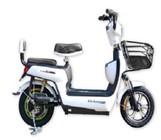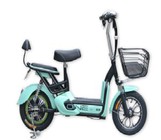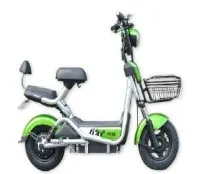

In recent years, the global push towards environmental sustainability has spurred significant interest in alternative modes of transportation. Among these, e - moto bikes have emerged as a popular option. As a supplier of e - moto bikes, I've been closely observing the discourse around their environmental friendliness. This blog post aims to delve into the various aspects of e - moto bikes and determine whether they truly live up to the label of being environmentally friendly.
The Basics of E - Moto Bikes
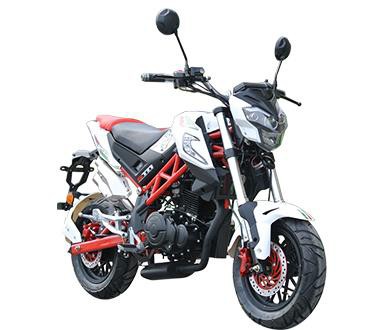
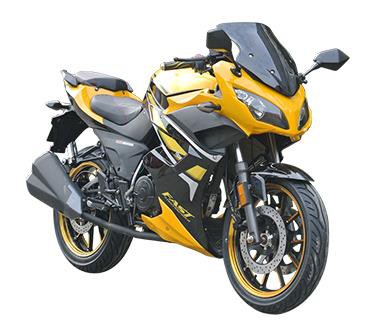
E - moto bikes, or electric motorcycles, are powered by electric motors and rely on rechargeable batteries for energy. Unlike traditional gasoline - powered motorcycles, they produce zero tailpipe emissions during operation. This fundamental difference is often the first point of discussion when evaluating their environmental impact.
One of the most significant advantages of e - moto bikes is their potential to reduce air pollution. In urban areas, where traffic congestion and vehicle emissions contribute to poor air quality, e - moto bikes can play a crucial role. By replacing gasoline - powered motorcycles with electric ones, we can significantly cut down on harmful pollutants such as carbon monoxide, nitrogen oxides, and particulate matter. These pollutants are known to cause respiratory problems, heart diseases, and environmental degradation.
Energy Source and Production
However, to fully assess the environmental friendliness of e - moto bikes, we need to look beyond the tailpipe. The environmental impact of an e - moto bike also depends on the source of the electricity used to charge its battery. If the electricity comes from renewable sources such as solar, wind, or hydroelectric power, the e - moto bike can be considered a truly green mode of transportation. In regions where renewable energy is abundant, the overall carbon footprint of e - moto bikes is significantly lower compared to their gasoline counterparts.
On the other hand, if the electricity is generated from fossil fuels such as coal or natural gas, the environmental benefits of e - moto bikes are somewhat diminished. The process of burning fossil fuels to generate electricity releases large amounts of greenhouse gases into the atmosphere. Nevertheless, even when powered by electricity from non - renewable sources, e - moto bikes are generally more energy - efficient than gasoline motorcycles. Electric motors convert a higher percentage of the electrical energy into mechanical energy, resulting in less wasted energy and lower overall emissions.
Another aspect to consider is the production of e - moto bikes and their batteries. The manufacturing process of batteries, in particular, can have a significant environmental impact. Lithium - ion batteries, which are commonly used in e - moto bikes, require the extraction of raw materials such as lithium, cobalt, and nickel. The mining of these materials can lead to habitat destruction, water pollution, and soil degradation. Additionally, the production process itself consumes a large amount of energy and generates waste.
However, the battery industry is constantly evolving, and efforts are being made to reduce the environmental impact of battery production. For example, some companies are researching more sustainable ways to extract and process raw materials, as well as developing recycling programs to recover valuable materials from used batteries.
Lifecycle Analysis
A lifecycle analysis is a comprehensive approach to evaluating the environmental impact of a product from its raw material extraction to its disposal. When conducting a lifecycle analysis of e - moto bikes, we need to consider all the stages, including production, use, and end - of - life management.
During the use phase, as mentioned earlier, e - moto bikes have a clear advantage over gasoline motorcycles in terms of air pollution. They also have lower noise emissions, which can contribute to a more pleasant and peaceful urban environment. In addition, e - moto bikes generally require less maintenance than gasoline motorcycles, as they have fewer moving parts and do not need oil changes or tune - ups. This can also reduce the environmental impact associated with the disposal of used parts and fluids.
At the end of their life, e - moto bikes and their batteries need to be properly disposed of or recycled. Recycling programs for e - moto bike batteries are becoming more widespread, which can help to recover valuable materials and reduce the demand for new raw materials. However, there is still room for improvement in this area, as the recycling process can be complex and costly.
Comparing with Other Motorcycle Options
When comparing e - moto bikes with other types of motorcycles, it's clear that they have unique environmental benefits. For those interested in touring or sports riding, Cheap Touring Sports Motorcycles offer an alternative, but these gasoline - powered bikes typically have higher emissions. On the other hand, High Power Hybrid Motorcycle combine an internal combustion engine with an electric motor, which can reduce emissions to some extent but still rely on fossil fuels. And for those looking for a cool and affordable option, Cool Sport Motorcycles Best Cheap Dual Sport Motorcycle are popular, yet they also contribute to air pollution.
Conclusion and Call to Action
In conclusion, e - moto bikes have the potential to be an environmentally friendly mode of transportation. While they are not without their environmental challenges, such as the production of batteries and the source of electricity, their benefits in terms of air pollution reduction and energy efficiency are significant. As the world continues to transition towards renewable energy and more sustainable manufacturing processes, the environmental friendliness of e - moto bikes is likely to improve even further.
If you're interested in exploring the world of e - moto bikes and want to make a more environmentally conscious choice for your transportation needs, I encourage you to reach out to me. Whether you're an individual looking for a personal e - moto bike or a business interested in bulk purchasing, I'm here to assist you. Let's work together to reduce our carbon footprint and embrace a greener future on the roads.
References
- Brown, A. (2020). "The Environmental Impact of Electric Vehicles: A Comprehensive Review". Journal of Sustainable Transportation.
- Greenpeace. (2021). "Clean Energy Solutions for a Sustainable Future". Report on Renewable Energy Trends.
- International Energy Agency. (2022). "Global Electric Vehicle Outlook". Analysis of the Electric Vehicle Market and Its Environmental Impact.